If you're facing the challenges of a drought, you might wonder about available disaster relief grants. Yes, there are options out there, both from government programs and non-profit organizations, aiming to offer financial support to those hit hardest. Steering through the process can be tricky, with eligibility criteriaThe specific requirements and conditions that applicants must meet to qualify for a grant. and paperwork involved. But don't worry, resources and guidance exist to help you through it. Curious about where and how to find these grants?
Key Takeaways
- Government programs offer financial assistance and low-interest loans for drought recovery.
- Non-profit organizations provide grants and resources tailored to drought-affected communities.
- International aid includes financial support and water supply systems for long-term resilience.
- Eligibility criteria and application processes vary; check local government websites for details.
- Consulting grant writingThe process of preparing and submitting a grant proposal, including drafting, editing, and assemblin... experts can help in successfully applying for disaster relief grants.
Government Programs for Drought Relief
When facing the severe impacts of drought, government programs play a crucial role in providing relief to affected communities. You’ll find that these programs often include financial assistance, aimed at helping farmers, ranchers, and residents manage the economic strain.
By offering grants and low-interest loans, they guarantee you can recover and sustain your livelihood. Additionally, they might provide technical support, guiding you in implementing water conservation practices to mitigate future risks.
Access to these resources usually requires understanding eligibility criteria and application processes. Staying informed through local government websites and outreach events can help you navigate these options.
Non-Profit Organizations Offering Support
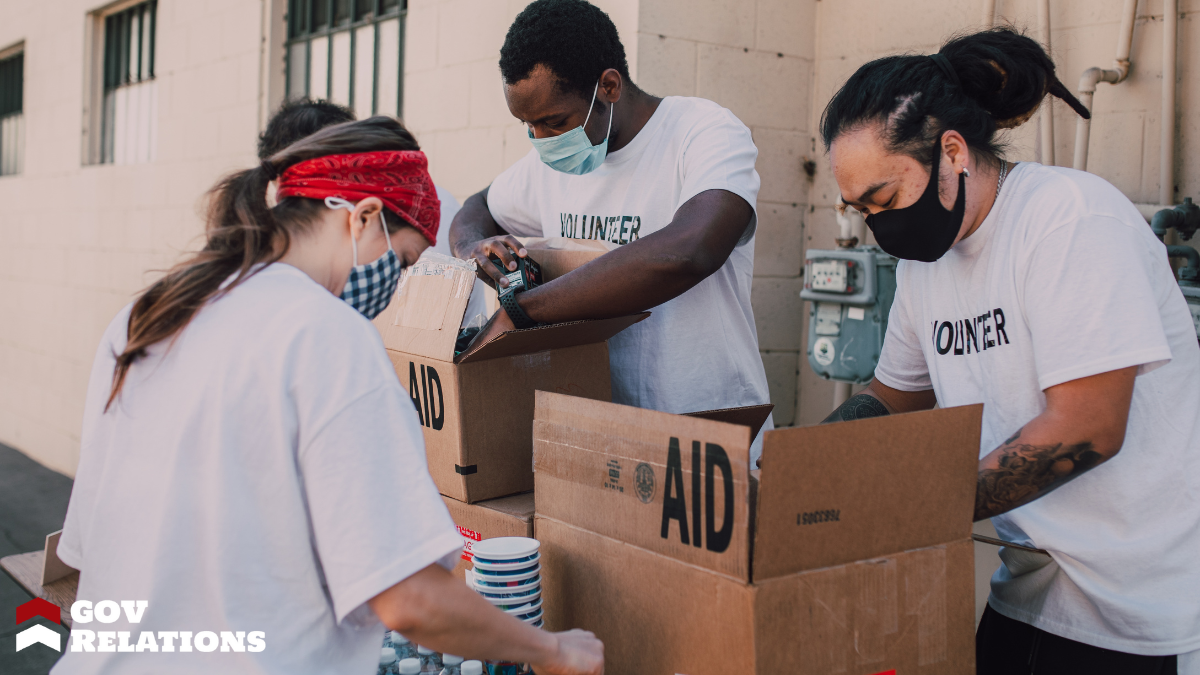
While government programs provide essential aid, non-profit organizations also play an important role in supporting drought-affected areas. You’ll find that these groups offer assistance tailored to the unique needs of communities.
They often bring resources, expertise, and volunteers to guarantee that immediate and long-term relief is available. Organizations like the Red Cross, World Vision, and Oxfam work tirelessly to deliver water, food, and agricultural support to those facing drought conditions.
They focus on building resilient communities by providing educational programs about water conservation and sustainable farming practices. By engaging with local partners, they create solutions that address the specific challenges you might face in a drought-stricken area.
Support from these non-profits can be invaluable in steering through tough times.
International Aid for Drought-Stricken Regions
Although drought-stricken regions face dire challenges, international aid plays an essential role in alleviating their hardships. You might wonder how these efforts make a difference. Global organizations, like the United Nations and international NGOs, step in to provide critical resources. They offer financial assistance, water supply systems, and agricultural tools to support affected communities.
Aid also includes expert advice on sustainable practices to help regions become more resilient.
You'll find that partnerships between countries and international bodies often lead to significant improvements. Aid programs aren't just about immediate relief—they focus on long-term recovery and prevention.
Applying for Disaster Relief Grants
Securing disaster relief grants can be an essential step in helping drought-affected areas recover and rebuild. By applying for these grants, you guarantee that your community gets the financial support it needs.
Start by identifying the grants available through government agencies or non-profit organizations. Gather all necessary documents, like financial statements and proof of drought impact, to support your application.
Next, carefully follow the application guidelinesDetailed instructions provided by the grantor, outlining the requirements, format, and submission pr..., as missing a detail might delay the process. Pay attention to deadlines and seek clarification if something's unclear.
Consider reaching out to grantA sum of money given by a government or other organization for a particular purpose, usually without... writing experts who can help craft a compelling application. Remember, persistence is key. If at first you don't succeed, review feedback and reapply. Your community's recovery could depend on it.
Long-Term Strategies for Drought Resilience
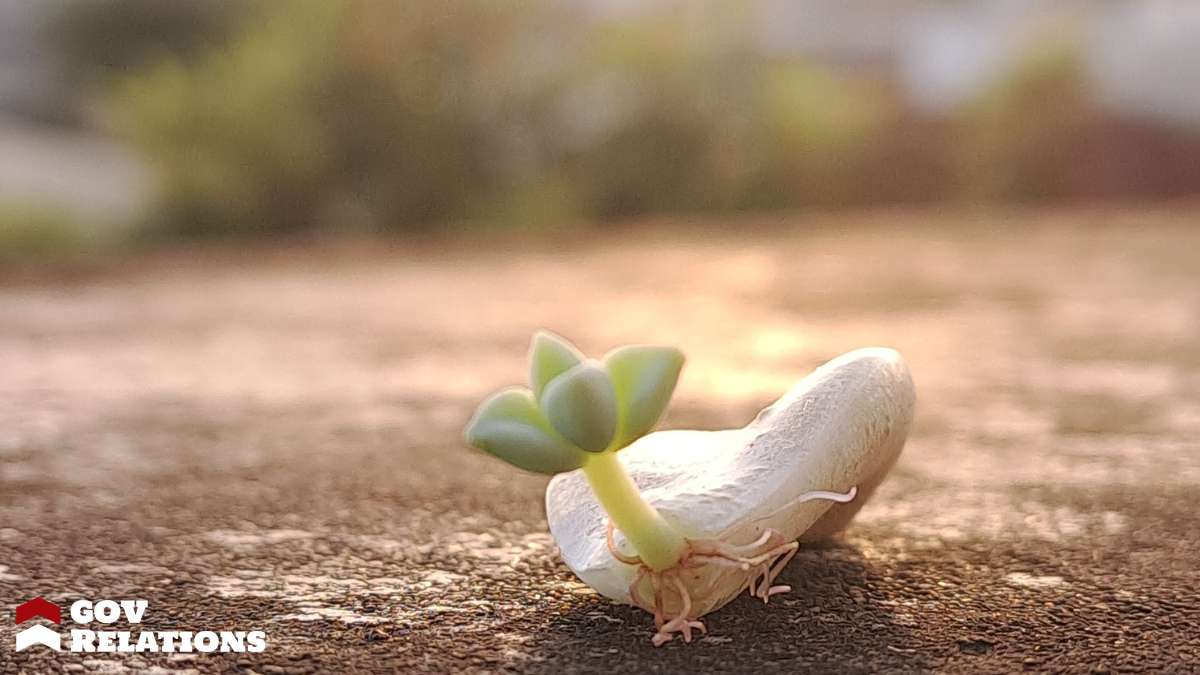
Building long-term resilience against drought involves proactive planning and sustainable resource management. You can start by implementing water-saving techniques like rainwater harvesting and efficient irrigation systems. These methods guarantee you make the most of available water resources.
Consider planting drought-resistant crops that require less water and can withstand harsher conditions, helping maintain agricultural productivity.
It’s vital to engage in regular soil health assessments. Healthy soil retains moisture better, reducing the need for excessive watering. Additionally, adopting a diversified crop rotation system can improve soil quality and water retention.
Don’t forget community involvement; educate others on water conservation and sustainable practices. By working together, communities can share resources and knowledge, creating a robust network of support against future droughts.
Conclusion
You've got options when it comes to securing disaster relief grants for drought-affected areas. Check out government programs and non-profit organizations that offer essential support. Don’t forget about international aid, which can also provide valuable resources. Make sure to stay informed about eligibility requirements and gather necessary documents for a smooth application process. By tapping into these resources, you’ll not only recover but also build long-term resilience against future droughts.