

To apply for VA survivor benefits, we need to confirm the veteran’s service and our relationship status. Gather important documents like marriage or birth certificates and the veteran’s service records. We then visit VA.gov to create an account and fill out the application, accurately uploading all documents before submitting. Tracking the application is easy through eBenefits, and we can reach out for support if needed. For more details, let's explore further.
Key Takeaways
- Verify eligibility by confirming the veteran's honorable discharge and relationship requirements.
- Gather essential documents, including proof of relationship and veteran's service records.
- Access the VA's official website and create or log into your VA.gov account.
- Complete the application accurately, upload required documents, and submit via the eBenefits portal, by mail, or at a VA regional office.
- Track your application statusThe current stage of the grant application, such as submitted, under review, approved, or rejected. regularly through the VA’s eBenefits portal or by contacting the VA directly.
Determining Eligibility for Survivor Benefits
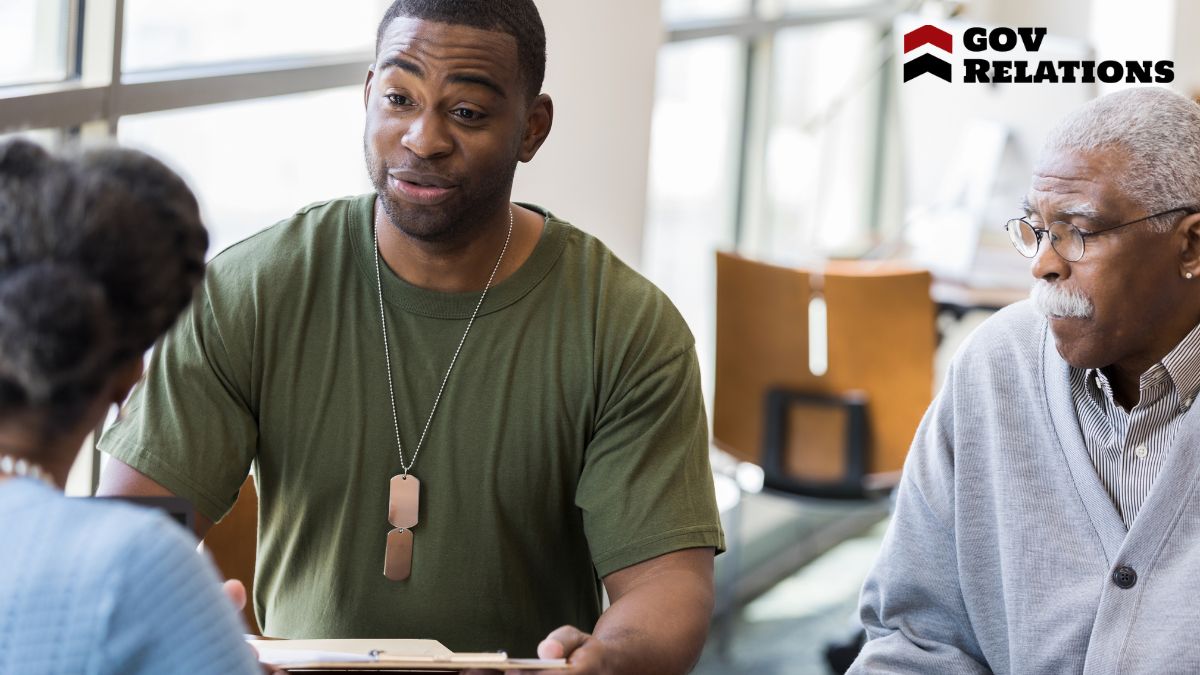
To determine eligibility for VA survivor benefits, we need to first understand the basic criteria set by the Department of Veterans Affairs. The VA requires that the deceased veteran had been honorably discharged and completed the necessary service requirements.
We also need to take into account the relationship to the veteran. Typically, spouses, minor children, and, in some cases, dependent parents may qualify. It’s essential that we verify the veteran’s service records, ensuring they meet the necessary conditions.
Another key factor is the marital status and age of the survivor. Spouses need to have been married to the veteran at the time of death, and children must generally be under 18, or up to 23 if attending school.
Understanding these criteria helps us proceed effectively.
Understanding Different Types of Survivor Benefits
Survivor benefits come in several forms, each designed to support the families of deceased veterans.
First, we've Dependency and Indemnity Compensation (DIC), a tax-free monetary benefit for eligible survivors of veterans who died in service or from service-related conditions.
Next, there’s the Survivors Pension, which offers financial support to low-income, unremarried surviving spouses and children of deceased wartime veterans.
The VA also provides the Burial Allowance to help cover funeral costs, ensuring a dignified farewell for our loved ones.
Finally, the Education and Training benefit under the Survivors' and Dependents' Educational Assistance (DEA) program can help us pursue education or training opportunities.
Understanding these options helps us make informed decisions about the support available to us.
Gathering Necessary Documentation
Let's gather the necessary documentation to guarantee a smooth application process.
We'll need to collect personal information, proof of our relationship with the veteran, and their military service records.
Required Personal Information
When applying for VA survivor benefits, gathering necessary documentation is an important step that guarantees a smooth application process.
First, we need to collect personal information, which includes the veteran’s full name, social security number, and VA file number. It’s vital to have the veteran’s date and place of birth handy, ensuring accuracy.
Next, we should gather our personal details, such as our full name and social security number. Keeping this information organized helps us avoid delays.
Proof of Relationship
After gathering the necessary personal information, our focus shifts to establishing proof of relationship with the veteran. This step involves collecting documentation that confirms our connection.
For spouses, a marriage certificate is vital. If applicable, we might need a divorce decree or death certificate from any previous marriages. For children, a birth certificate or adoption paperwork is required to verify the parental link.
As we gather these documents, it’s important to guarantee they’re official copies, as the VA doesn’t accept photocopies or unofficial versions.
Let’s organize them carefully to avoid delays in our application process. By guaranteeing all documents are complete and accurate, we pave the way for a smooth application for survivor benefits, offering us reassurance during this challenging time.
Military Service Records
Securing military service records is an essential step in our application process for VA survivor benefits. These records verify the veteran's service details and are critical for proving eligibility.
We can request these documents through the National Archives' website or by filling out a Standard Form 180. It’s important to gather all necessary information like the veteran’s full name, Social Security number, and service number, along with branch of service and dates.
If we're unsure about any details, checking discharge papers (DD-214) can help. Once we've the records, review them carefully to confirm they’re complete.
Any errors or missing information could delay our application. Let’s make certain everything is accurate to streamline the process and avoid unnecessary setbacks.
Completing the Application for Survivor Benefits
Now that we've gathered all the necessary documents, let's focus on completing the application for survivor benefits.
We'll start by reviewing the required documentation checklist to guarantee nothing is missing.
Then, we can proceed with the online application process, which will guide us step-by-step.
Required Documentation Checklist
Gathering the right documents is an essential step in completing the application for VA Survivor Benefits. Let’s make certain we’ve got everything we need to streamline the process.
First, we’ll need the veteran’s service records, including discharge papers (DD-214). These verify military service and are vital for eligibility.
Next, gather the veteran’s death certificate, as it proves the unfortunate event. If applicable, marriage certificates or divorce decrees are necessary to establish our relationship to the veteran.
We should also include the Social Security numbers of both the veteran and ourselves.
Finally, don’t forget any dependent children’s birth certificates, if relevant. Having these documents ready helps guarantee that we complete our application efficiently and without unnecessary delays.
Online Application Process
With our documents in order, we're ready to tackle the online application for VA Survivor Benefits.
First, let's head to the VA's official website and locate the survivor benefits application section. We'll need to create or log into our account on VA.gov. Once logged in, navigate to the forms section and select the appropriate form for survivor benefits.
The application will prompt us to fill in personal details and information about the veteran. Let’s make sure every field is completed accurately.
We'll upload our gathered documents as part of the process, making certain they're clear and legible. Before submitting, double-check all entries; errors can delay approval.
Once satisfied, hit submit, and we'll receive a confirmation email. Remember, patience is key while waiting for a response.
Submitting Your Claim to the VA
Before we submit our claim to the VA, we need to ascertain that all necessary documentation is organized and complete. Gathering essential documents, like the veteran's death certificate, marriage certificate, and our identification, guarantees the process goes smoothly.
We should double-check that each document is legible and up-to-date. Once we're ready, we can submit our claim online through the VA’s eBenefits portal, by mail, or at a VA regional office.
Choosing the online route is often quicker and more convenient. As we upload our documents, let's verify each file is in an accepted format.
If mailing, it’s wise to send copies, not originals, and consider using certified mail for tracking. After submission, keeping our confirmation receipt is essential for future reference.
Tracking the Status of Your Application
Once we've submitted our claim, it's important to track its status to stay informed and address any potential issues promptly.
The VA offers several tools to help us do this efficiently. First, we can use the VA’s online portal, "eBenefits," where we can log in and check our application’s progress. It's a convenient way to stay updated from anywhere.
Additionally, we can call the VA directly for updates. They'll provide us with the latest information and any required next steps.
Regularly checking our application status guarantees we're not caught off guard by unexpected delays. It's also a good idea to keep copies of all communications and updates for our records.
This proactive approach helps us feel more in control of the process.
Common Challenges and How to Overcome Them
Steering through the process of applying for VA Survivor Benefits can be intimidating, yet understanding common challenges helps us tackle them head-on.
First, it’s vital to guarantee all documentation is complete and accurate to avoid application delays. We often encounter these challenges:
- Missing Documents: Double-check that all required forms and evidence are included before submission.
- Complex Eligibility CriteriaThe specific requirements and conditions that applicants must meet to qualify for a grant.: Eligibility can be confusing, so reviewing the VA’s criteria thoroughly is essential.
- Long Processing Times: Patience is key, but staying informed about processing timelines can ease frustration.
- Communication Barriers: Reaching the right VA contact can be difficult. Keep a list of VA contact numbers handy for quick access.
Accessing Additional Support and Resources
How can we make the journey of applying for VA Survivor Benefits smoother? By tapping into available support and resources.
Let’s connect with VA-accredited representatives who can guide us through the application process. They’re trained to offer personalized assistance and guarantee we comprehend each step. We should also explore resources like the VA's website, which provides valuable information and downloadable forms.
Additionally, local veterans' service organizations are invaluable. They often offer free counseling and can help us gather necessary documents.
Don’t forget about online forums and support groups where other survivors share experiences and tips. By leveraging these resources, we can navigate the process more confidently and efficiently, guaranteeing we receive the benefits we’re entitled to.
Conclusion
We've covered the essential steps to apply for survivor benefits through the VA. Remember, determining eligibility, understanding the different benefits, gathering documentation, and submitting your claim are vital. Don’t forget to track your application status and address any challenges promptly. If you need help, reach out to available resources for support. By staying informed and proactive, you'll navigate this process more smoothly and secure the benefits you deserve. We're here with you every step of the way.




