

Let's explore whether Medicare will cover the cost of a medical chair. We'll discuss the types of chairs eligible for coverage, the criteria Medicare uses to determine eligibility, and the steps needed to secure a prescription. Understanding the process can be tricky, but with the right information, we can navigate through it together. Could Medicare really help with that essential medical chair you need? Let's find out.
Key Takeaways
- Medicare Part B may cover medical chairs if deemed medically necessary and prescribed by a doctor.
- Coverage typically includes wheelchairs, power lift chair mechanisms, and hospital bed chairs.
- Medicare covers 80% of the approved amount after the Part B deductible.
- Approval requires detailed documentation and a prescription from a Medicare-enrolled provider.
- Alternative financial assistance options are available if Medicare coverage is denied.
Understanding Medicare Coverage for Durable Medical Equipment
When it comes to understanding Medicare coverage for durable medical equipment (DME), it’s vital to know what qualifies and how the process works. We need to first recognize that DME includes items like wheelchairs, walkers, and hospital beds—equipment that serves a medical purpose and can withstand repeated use.
Medicare Part B generally covers DME if it’s prescribed by a doctor and deemed medically necessary.
Let’s confirm we’re meeting all requirements: the equipment must be used in our home and ordered from a Medicare-enrolled supplier.
We should also be aware that Medicare typically covers 80% of the approved amount after meeting the Part B deductible.
Types of Medical Chairs Eligible for Medicare Coverage
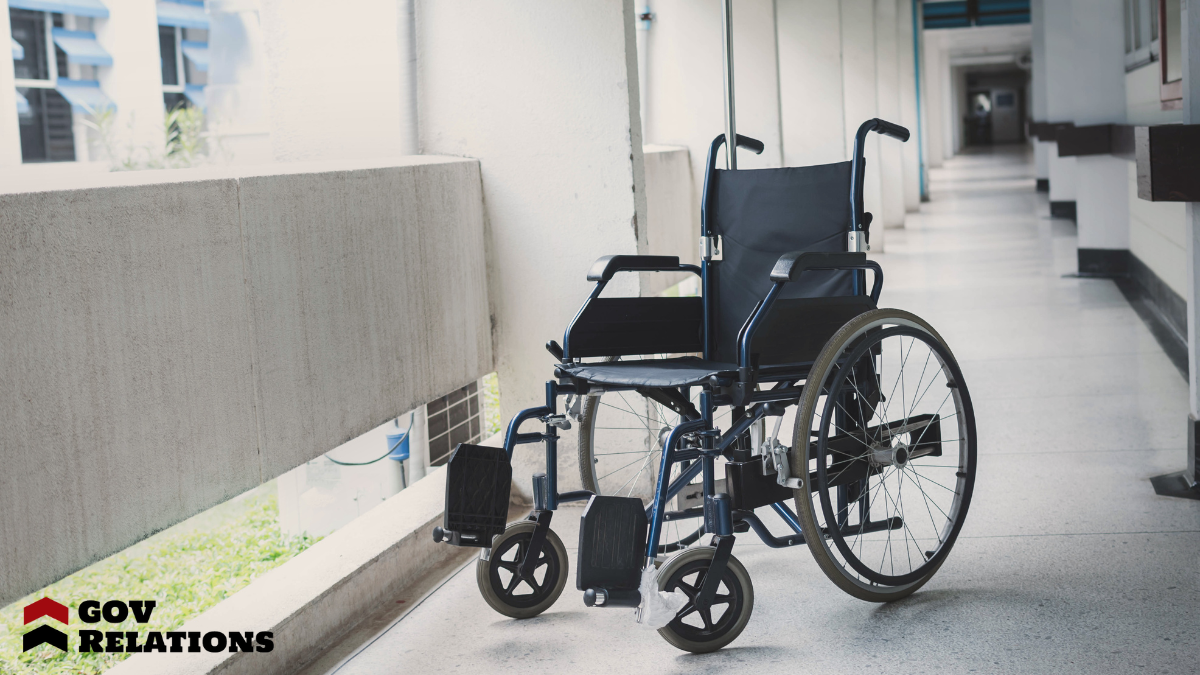
Let's explore the types of medical chairs that qualify for Medicare coverage, starting with wheelchairs and their eligibility criteriaThe specific requirements and conditions that applicants must meet to qualify for a grant..
We'll also look at power lift chairs and the specific conditions under which they're covered.
Additionally, we'll examine how hospital bed chairs fit into Medicare's coverage options.
Wheelchair Eligibility Criteria
Understanding the wheelchair eligibility criteria for Medicare coverage is essential for anyone looking to obtain assistance with medical chairs. We need to determine if we meet certain conditions to qualify.
First, our doctor must document that we've a medical necessity for a wheelchair due to a health condition that impairs mobility. It’s vital that this documentation clearly states why a wheelchair is needed for daily activities inside our home.
Additionally, we must have the physical and mental capability to safely operate the wheelchair or have someone available to help us. It’s also important that the wheelchair can fit through our home’s doorways and be used effectively in our living space.
Power Lift Chair Coverage
Although traversing Medicare coverage can be complex, understanding the specifics about power lift chair coverage is vital for those seeking this type of support.
Power lift chairs can greatly aid individuals who struggle with mobility, making it easier for us to shift from sitting to standing. Medicare Part B may cover the motorized lifting mechanism, but not the entire chair.
To qualify, a doctor's prescription is needed, confirming that the power lift chair is medically necessary for us due to severe arthritis or a similar condition.
It's important to guarantee both the doctor and supplier are enrolled in Medicare, as this impacts the level of reimbursementThe process of compensating the grantee for expenses incurred, usually requiring documentation and p.... While Medicare covers the lift mechanism, we should anticipate some out-of-pocket expenses for the chair itself.
Hospital Bed Chair Options
Having explored power lift chair coverage under Medicare, it's equally important for us to know about hospital bed chair options that may also qualify for coverage.
These chairs can offer essential support for those with specific medical needs. Medicare Part B might cover some hospital bed chairs if they’re deemed medically necessary by a physician.
Let’s review a few options that may be eligible:
- Adjustable Hospital Beds: These beds can be adjusted in different positions to aid in comfort and medical needs.
- Geri Chairs: Also known as geriatric chairs, they’re designed for long-term care, providing comfort and mobility.
- Bariatric Chairs: Specifically built to support higher weight capacities, ensuring safety and comfort for patients requiring additional support.
Understanding these options helps us make informed decisions about our healthcare needs.
Criteria for Medicare Coverage of Medical Chairs
When considering the criteria for Medicare coverage of medical chairs, it’s vital to know what qualifies a patient for this benefit. Medicare typically covers equipment deemed medically necessary. To meet the criteria, the chair must aid in treating or managing a medical condition.
We should also guarantee that a healthcare provider documents a need for the chair, highlighting its role in daily living activities or rehabilitation. Additionally, the supplier must be enrolled in Medicare and accept assignment to guarantee coverage.
It’s important to verify that the medical chair is listed under Medicare’s approved durable medical equipment (DME). We must remember that not all chairs qualify, so checking specific requirements and eligibility is essential for securing coverage and minimizing out-of-pocket expenses.
How to Obtain a Prescription for a Medical Chair
To get a prescription for a medical chair, we need to start by consulting our healthcare provider.
They’ll assess our specific needs and determine if a medical chair is necessary.
Once we’ve got their approval, we'll gather the required documentation to submit to Medicare.
Consulting Your Healthcare Provider
Steering through the process of obtaining a prescription for a medical chair can feel intimidating, but it’s manageable with the right approach.
Let’s work together to make this step a bit easier. Here’s how we can proceed:
- Schedule an Appointment: Start by booking a visit with your primary healthcare provider. Make sure to share details about your mobility challenges and how a medical chair could improve your daily life.
- Discuss Your Needs: During the appointment, clearly communicate your specific requirements and how they impact your well-being. Your provider requires this information to justify the prescription.
- Follow Up: After your meeting, verify that your provider has submitted the necessary paperwork. Regular follow-ups can help prevent delays and verify the process moves smoothly.
Necessary Documentation Requirements
Although the journey to obtain a prescription for a medical chair might seem intimidating, understanding the necessary documentation can simplify the process.
First, we need to consult our healthcare provider to assess medical necessity. They'll evaluate our condition and determine if a medical chair is vital. Once that's established, our provider will write a detailed prescription outlining our needs. This prescription should include specific medical codes and information about how the chair will improve our daily life.
Next, gathering supporting documentsAdditional materials included in the application package, such as resumes, letters of support, and p... is essential. This might include recent medical records, test results, and any previous treatments tried.
Keeping organized records guarantees nothing gets overlooked. By proactively managing these documents, we can streamline the process and increase the likelihood of Medicare covering the chair.
Navigating the Medicare Approval Process

Understanding the intricacies of the Medicare approval process can feel overwhelming, but breaking it down into manageable steps makes it more approachable.
Let's simplify this journey together. First, confirm we've all the necessary documents ready. This includes our doctor’s prescription and any supporting medical records that justify the need for a medical chair.
Next, we must submit our application accurately. Mistakes or omissions can delay approval, so double-checking everything is essential.
Finally, we need to keep track of the application statusThe current stage of the grant application, such as submitted, under review, approved, or rejected.. It's important to follow up regularly to verify our application is progressing smoothly.
Here’s a quick guide to assist us:
- Gather Required Documents: Confirm everything is complete.
- Submit Accurate Application: Double-check details.
- Track Application Status: Follow up as needed.
Tips for Communicating With Your Healthcare Provider
How can we guarantee effective communication with our healthcare provider?
First, let's prepare by writing down our questions and concerns about getting a medical chair covered by Medicare. It's important that we clearly express our needs and listen actively during appointments.
We should also ask for clarification if something isn't clear. Taking notes can help us remember details discussed during our visit.
We need to be upfront about our medical history and any changes we’ve experienced. Sharing this information helps our provider make informed decisions.
Additionally, it’s beneficial to bring a family member or friend for support and extra perspective.
Finally, if we’re confused about any aspect of the process, let’s not hesitate to schedule a follow-up appointment.
Importance of Documentation for Medicare Claims
Proper documentation plays an essential role in guaranteeing our Medicare claims for medical chairs are processed smoothly.
It’s vital we comprehend what’s needed to avoid delays or denials. Here’s how we can guarantee our documentation is complete:
- Detailed Prescription: Our healthcare provider must include a detailed prescription specifying the type of medical chair and the medical necessity for it. This is the foundation of our claim.
- Thorough Medical Records: We need extensive medical records that clearly outline our medical condition and justify the need for the chair. These records should support the prescription.
- Supplier Involvement: Work closely with the supplier to guarantee they provide a detailed invoice and any required documentation to support the claim.
Common Challenges in Getting Medicare Approval

While many of us hope for a straightforward process, obtaining Medicare approval for medical chairs often presents several challenges.
First, we need to guarantee that our medical necessity documentation is thorough and aligns with Medicare's strict guidelines. Even with detailed paperwork, Medicare can still deny claims if specific criteria aren't met.
We've also noticed that communication with Medicare can be frustratingly slow, leading to delays in receiving decisions. Additionally, steering through the complex terminology and requirements can be overwhelming, leaving us uncertain about the best steps to take.
It's vital to stay proactive and persistent, double-checking every detail to increase our chances of success. By understanding these common hurdles, we can better prepare for the approval journey.
Alternative Options for Financial Assistance
Although maneuvering Medicare approval can be tricky, there are alternative options for financial assistance when it comes to obtaining medical chairs.
We can explore various resources that might ease the financial burden. Here are three options to take into account:
1. Nonprofit OrganizationsEntities that use surplus revenues to achieve their goals rather than distributing them as profit or...: Some nonprofits offer grants or low-cost equipment to those in need.
Research local or national organizations that specialize in medical equipment.
2. State Assistance Programs: Many states have programs designed to help cover the cost of medical equipment for those who qualify.
Checking with state health departments can provide valuable leads.
3. Crowdfunding PlatformsOnline platforms that enable individuals and organizations to raise small amounts of money from a la...: Websites like GoFundMe can help us raise the necessary funds by appealing to friends, family, and the broader community for support.
Conclusion
In maneuvering Medicare coverage for medical chairs, we must stay proactive and informed. Let’s guarantee we meet all criteria, obtain thorough documentation, and maintain clear communication with our healthcare providers. While the process can be challenging, understanding Medicare's requirements helps us secure the necessary support. If hurdles arise, exploring alternative financial assistance can be beneficial. Together, we can effectively manage the journey to obtain the medical equipment we need for a better quality of life.




