

When we find ourselves with no money, it's vital to take a step back and assess our financial situation. We'll need to list all our income sources and understand our spending patterns. By prioritizing our essential expenses, we can create a bare-bones budgetA detailed financial plan outlining the projected costs of the project, including personnel, equipme... that highlights our needs versus wants. But what about generating extra income or negotiating with creditors? There's so much more to explore in our journey toward financial stabilityRequirements for demonstrating the financial health and stability of the applicant organization..
Key Takeaways
- Assess financial situation by listing all income sources and identifying spending patterns.
- Create a bare-bones budget prioritizing essential expenses like housing, food, and healthcare.
- Explore additional income sources through side hustles or selling unwanted items.
- Communicate with creditors to negotiate realistic payment plans.
- Start building emergency savings with small, consistent contributions.
Assess Your Financial Situation
Before we can tackle financial challenges, let's take a moment to thoroughly assess our current financial situation. It’s essential to understand exactly where we stand.
We should start by listing all our sources of income, no matter how small they might seem. Next, we need to gather our bank statements, bills, and any outstanding debts. By doing this, we’ll have a clear picture of our cash flow and obligations.
Once we've this information, we can identify patterns in our spending habits. Are there areas where we consistently overspend? Recognizing these patterns helps us make informed decisions moving forward.
Finally, let’s not forget to take into account any available assets we might overlook, such as items we can sell or services we can offer. Understanding these elements empowers us to move forward confidently.
Prioritize Essential Expenses
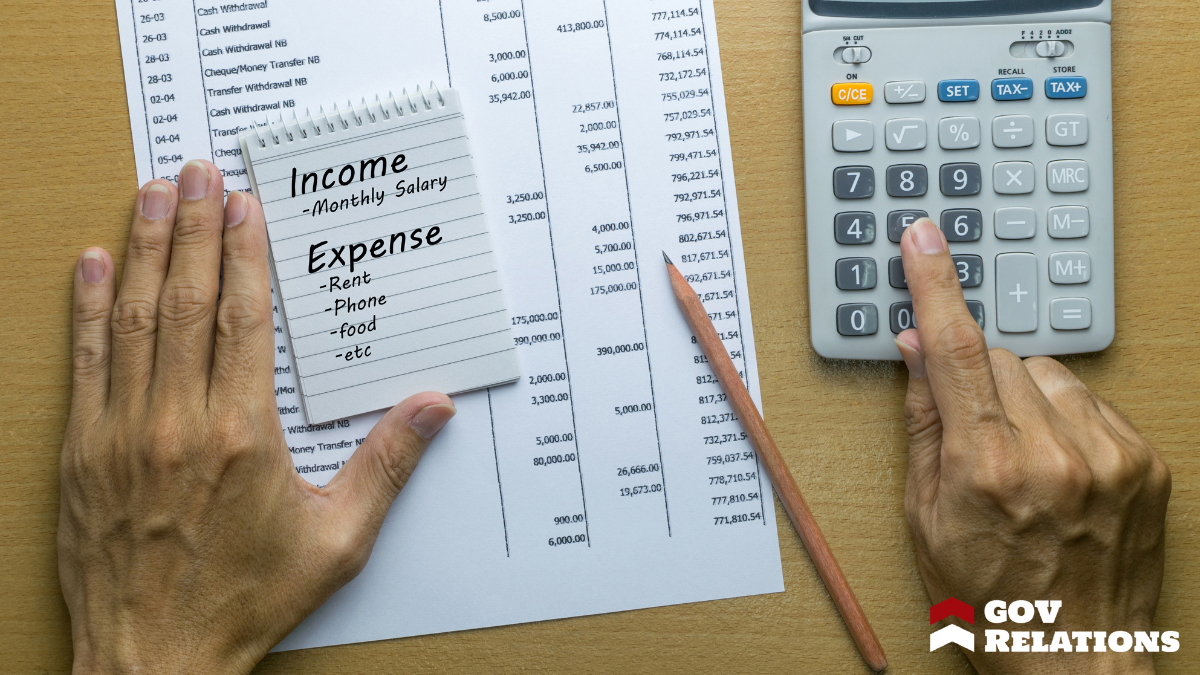
When facing financial hardship, our top priority should be to focus on essential expenses. These are the costs we can't avoid, like housing, utilities, food, and healthcare. By identifying these necessities, we guarantee our basic needs are met first.
It's important to differentiate between needs and wants during this time. For instance, while dining out is enjoyable, grocery shopping and cooking at home might be more budget-friendly.
Let's also consider transportation. If public transit meets our needs, it could save us money compared to maintaining a car.
We should list our essential expenses and review them regularly. This helps us stay aware of where our money goes and keeps us grounded, so we can make informed decisions as we navigate tough times.
Create a Bare-Bones Budget
To effectively manage our finances during tough times, we should create a bare-bones budget that focuses only on the essentials. This means identifying our absolute needs—think food, housing, utilities, transportation, and necessary healthcare.
We need to examine our spending and cut out any non-essential expenses. This might mean pausing subscriptions, dining out less, or delaying non-urgent purchases.
We should start by listing our income and then subtracting these vital expenses. If our expenses exceed our income, it’s essential to adjust immediately.
Prioritize what keeps us safe, fed, and sheltered. By doing this, we get a clear picture of our financial situation and can make informed decisions.
Sticking to this budget helps us gain control and reduce stress during financially challenging times.
Explore Additional Income Sources
Let's explore how we can boost our income with side hustles and freelancing.
We've countless opportunities at our fingertips, from gig economy jobs to online freelancing platforms that connect us with clients worldwide.
Side Hustle Opportunities
How can we boost our income when money's tight? Side hustles offer a path to financial relief, allowing us to leverageThe use of borrowed capital (debt) to increase the potential return of an investment. our skills and interests.
By dedicating some extra hours, we can create new revenue streams. Here are a few opportunities to evaluate:
- Tutoring: If we excel in a subject, offering tutoring services can be rewarding both financially and personally.
- Online Selling: Have items we no longer need? Platforms like eBay or Etsy enable us to turn our clutter into cash.
- Ridesharing or Delivery: Services like Uber or DoorDash allow us to earn on our schedule, turning our free time into earnings.
Exploring these side hustles can help us navigate financial challenges while keeping our main commitments intact.
Freelancing Platforms Benefits
While side hustles create immediate opportunities, another promising avenue for boosting our income lies in freelancing platforms. These platforms connect us with clients needing various services, from writing and graphic design to programming and marketing.
We can choose projects that match our skills, allowing us to work flexibly and potentially earn more than traditional jobs offer.
Freelancing platforms offer diverse opportunities, meaning we can explore different fields and expand our expertise. It's a space where we can build our portfolio without upfront costs, making it accessible even when funds are tight.
Platforms like Upwork, Fiverr, and Freelancer provide us with a global client base, increasing our chances of finding work. By leveraging these tools, we diversify our income sources and enhance our financial security.
Utilize Community Resources

Community resources can be a lifeline when financial times are tough, offering a range of support services that cater to our basic needs.
Let’s explore how we can leverage these resources effectively. First, we should identify local food banks or pantries that provide free groceries to help us stretch our budget. Libraries are another excellent resource, offering not just books but also free internet access and various educational programs.
Here are some ways community resources can assist us:
- Food Assistance: Access to local food banks and meal programs to guarantee we've enough to eat.
- Employment Services: Job centers often provide resume workshops, job listings, and skills training.
- Health Services: Community clinics offer affordable or free healthcare options for those in need.
Negotiate With Creditors
Let's face it, ignoring bills won't make them disappear, so it's time we reach out to our creditors and communicate any payment challenges we're facing.
Communicate Payment Challenges
How do we approach creditors when financial challenges arise?
First, let’s remember that communication is key. We should contact creditors promptly to explain our situation. This openness can foster understanding and flexibility.
It's essential to communicate our genuine intent to pay, even if we can't do so immediately. Here are some considerations to enhance our dialogue:
- Be Honest: Clearly outline our financial constraints without embellishment or evasion.
- Stay Calm: Approach the conversation with a composed and respectful demeanor, even if we feel stressed.
- Document Everything: Keep a record of all communications, including dates, times, and the names of individuals we speak with.
Propose Payment Plan
When faced with financial difficulties, proposing a payment plan to creditors can be a practical solution. Let’s reach out to them with honesty and explain our situation. They’re likely to appreciate our proactive approach.
When we contact them, we should have a clear idea of what we can afford to pay and propose a realistic plan. This could involve smaller payments over a longer period or temporarily reducing payments.
It’s important we listen to their suggestions too, as they might offer options we haven’t considered. By negotiating, we show our commitment to resolving the debt, which can lead to more favorable terms.
Cut Unnecessary Costs
Although we often overlook it, cutting unnecessary costs is an essential step in managing our finances when money is tight. By identifying areas where we can reduce spending, we free up resources for more critical needs.
Let’s take a moment to evaluate our current expenses and see where we can make adjustments. Here’s how we can start:
- Cancel unused subscriptions: Those streaming services or magazine subscriptions we rarely use can be eliminated to save money.
- Cook at home: Eating out adds up quickly. Preparing meals at home is healthier and more budget-friendly.
- Review utility usage: Simple actions like turning off lights and reducing water usage can lower our bills.
Seek Professional Financial Advice

Seeking professional financial advice can be a game changer when we're struggling with money management.
Financial advisors provide us with insights and strategies tailored to our unique situation. They help identify areas where we can cut back further or manage debt more effectively.
We gain access to expertise that simplifies the complexities of budgeting, credit, and investment opportunities, which might seem overwhelming on our own.
Focus on Building Emergency Savings
Building emergency savings might seem intimidating, yet it’s one of the most empowering steps we can take for financial stability. It’s our safety net for unexpected emergencies, giving us peace of mind knowing we've a buffer.
Starting might be challenging when funds are tight, but small, consistent efforts can make a significant difference over time. Let’s prioritize building this cushion by identifying unnecessary expenses and redirecting those funds to savings.
Here are some steps we can take to get started:
- Automate savings: Set up a small automatic transfer to our savings account.
- Start small: Even a few dollars a week adds up over time.
- Reevaluate monthly: Regularly review and adjust our budget to find more savings opportunities.
Together, we can build our financial resilience.
Conclusion
Let's tackle this financial challenge together. By evaluating our situation and prioritizing essential expenses, we can create a manageable budget. Exploring side hustles and utilizing community resources will help boost our income. Remember, negotiating with creditors and cutting unnecessary costs can relieve some pressure. Seeking professional advice can provide valuable insights. Let's focus on building an emergency savings fund, even if it's just a small start. We can overcome this by taking proactive steps toward financial stability.




