

Let's explore the intriguing question of whether the US government gives free grants. While many of us might think of grants as "free money," the reality is more nuanced. These funds, aimed at various projects, come with eligibility criteriaThe specific requirements and conditions that applicants must meet to qualify for a grant. and obligations. Understanding the types available and the application process is vital. So, how can we maximize our chances of securing these grants? There's more to discover in this financial landscape.
Key Takeaways
- Government grants are financial assistance that do not require repayment, unlike loans.
- Grants come with specific requirements like accountability and reporting, and are not completely free.
- Eligibility is based on meeting specific criteria, not everyone qualifies.
- Various types of grants are available, including project, formula, block, and discretionary grants.
- Detailed applications must align with grantA sum of money given by a government or other organization for a particular purpose, usually without... objectivesSpecific, measurable goals that the project aims to achieve within a set timeframe, often linked to ... and adhere to deadlines for success.
Understanding Government Grants
Government grants are an essential resource for individuals, businesses, and organizations seeking financial assistance for various projects and initiatives. They provide indispensable funds that help us turn ideas into reality, support innovation, and drive economic growth.
These grants aren't loans, so we don't have to worry about repayment, which makes them highly attractive. However, securing a grant requires a clear understanding of the process and eligibility criteria.
We must identify specific grants aligned with our needs and prepare detailed applications demonstrating how our projects align with the grant's objectives. It's important to present a compelling case showing the potential impact and benefits.
We should always adhere to the guidelines and deadlines to increase our chances of success in obtaining these valuable resources.
Common Misconceptions About Grants
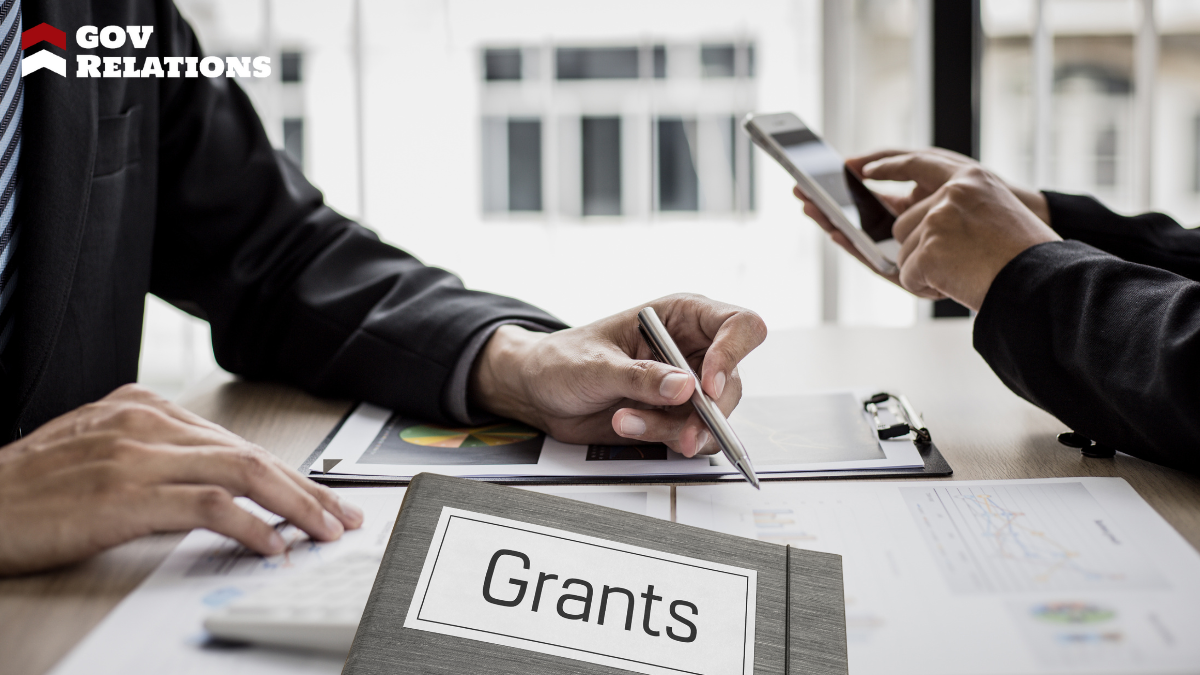
While many of us consider grants a simple and easy source of funding, misconceptions can lead to frustration and missed opportunities. One common belief is that grants are free money with no strings attached. However, most grants come with specific requirements, including detailed reports and accountability measures.
It’s easy to assume that anyone can apply for grants, but eligibility often depends on meeting stringent criteria. Some believe they’re exclusive to non-profits, yet various entities, including individuals, businesses, and educational institutionsUniversities and colleges that provide funding for research, scholarships, and academic programs thr..., might qualify.
We might also think grant applications are straightforward, but they usually demand time-consuming research and meticulous documentation. Understanding these misconceptions helps us approach the grant process more effectively, avoiding pitfalls and increasing our chances of success.
Types of Grants Available
Understanding the reality behind grant misconceptions allows us to better navigate the types of grants available.
We’ll find that the U.S. government offers several categories of grants, each serving different purposes. First, there are project grants, which fund specific initiatives, often in research or public services.
Then we've formula grants, distributed based on pre-determined criteria, such as population size. These often support healthcare, education, or infrastructure.
Additionally, block grants provide states or localities with funding for broad purposes, like community development, allowing for flexibility in use.
Finally, discretionary grants are awarded through a competitive process, focusing on innovative projects.
Eligibility and Application Process
Maneuvering the eligibility and application process for government grants requires a clear understanding of specific criteria and procedural steps.
First, let’s determine if we’re eligible. Each grant has unique requirements based on the grantor’s goals. Some focus on financial need, while others look at project impact or organizational status. We should carefully review these conditions on websites like Grants.gov.
Once eligibility is confirmed, it’s time to gather necessary documentation. This might include tax returns, project proposals, or detailed financial statements.
Next, we’ll fill out the application forms, ensuring we address each section clearly and accurately. Let’s remember to adhere to deadlines, as late submissions won't be considered.
Tips for Successfully Obtaining a Grant

To successfully obtain a grant, it’s vital that we focus on crafting a compelling narrativeThe main body of the grant proposal, detailing the project's background, objectives, methods, signif... that aligns with the grantor's objectives. Let’s guarantee our proposalA formal document submitted to a grantor, detailing the project plan, budget, and expected outcomes,... clearly articulates our mission, goals, and how our project meets the funder’s criteria. We should be concise yet detailed, demonstrating a thorough understanding of the grant’s requirements.
Next, we must highlight our unique strengths and past successes to build credibility. Providing specific examples of our impact can make our application stand out.
Let’s not forget the importance of a realistic budgetA detailed financial plan outlining the projected costs of the project, including personnel, equipme... that accurately reflects our project needs.
Finally, reviewing our application for clarity and errors is imperative. Seeking feedback from peers or mentors can provide valuable insights. With diligence and attention to detail, we’ll enhance our chances of success.
Conclusion
To wrap up, we've explored the intricacies of government grants and debunked the myth of them being "free money." While they don't require repayment, they come with responsibilities and specific eligibility criteria. By understanding the types of grants available and carefully following the application process, we can increase our chances of securing funding for our projects. Let's approach this opportunity with diligence and preparation to make the most of the resources offered by the government.




