

When we find ourselves with low income, it affects nearly every aspect of our lives. We might have to make tough choices between rent and groceries, healthcare takes a backseat, and our educational opportunities can seem limited. These struggles can feel overwhelming and impact our mental health. But what support systems are out there, and how can we navigate these challenges to improve our situation? Let's explore these questions together.
Key Takeaways
- Limited income often leads to choices between substandard housing and safer environments that stretch the budgetA detailed financial plan outlining the projected costs of the project, including personnel, equipme....
- Inadequate healthcare accessCriteria ensuring that the project improves access to healthcare services. results from low income, causing delayed treatments and increased emergency room visits.
- Financial constraints restrict access to quality education and skill development, hindering career advancement.
- Nutritional struggles arise from low income, leading to food insecurity and reliance on cheaper, less nutritious options.
- Government programs and community supportDemonstration of local community support for the project, often through letters of support or commun... systems provide essential aid, such as food, healthcare, and financial literacy resources.
The Impact on Housing and Living Conditions
When discussing low income, we can't ignore its significant impact on housing and living conditions. We often find ourselves trapped in a cycle where limited financial resources mean choosing between substandard housing or stretching our budget to secure a safer environment.
These choices can force us into crowded, poorly maintained spaces that lack basic amenities. It's not just about the physical structure; our mental well-being is affected too. Living in such conditions can lead to increased stress, affecting our overall quality of life.
Furthermore, low income often limits our options for location. We might end up in areas with fewer job opportunities, inadequate public services, and higher crime rates.
This creates a challenging environment where improving our circumstances becomes even harder. It's a tough cycle to break.
Access to Healthcare and Medical Services

Access to healthcare and medical services is a critical issue we face when dealing with low income. It often feels like we're caught in a cycle where limited resources mean fewer options for our health needs.
Without adequate insurance or the ability to pay out-of-pocket, even basic care can become a luxury. This can lead to delayed treatments, worsening conditions, and increased emergency room visits, which are costly and not a sustainable solution.
We might find ourselves choosing between healthcare and other essentials, like food or housing. Community health centers and free clinics provide some relief, but they often have long wait times and limited services.
It’s essential to explore all available resources, advocate for ourselves, and stay informed about programs that could assist us in accessing necessary care.
Challenges in Education and Skill Development
While grappling with limited access to healthcare, we also face significant hurdles in education and skill development. Our financial constraints often limit our educational opportunities.
We might attend underfunded schools lacking resources or qualified teachers, which can affect the quality of education we receive. Higher education feels like a distant dream, with tuition costs and living expenses becoming insurmountable barriers.
Moreover, skill development opportunities, like workshops or vocational training, often come with fees that are out of reach. This limits our ability to improve our job prospects and advance in our careers.
We find ourselves trapped in a cycle where low income leads to limited education and skills, which then perpetuates the financial challenges we aim to overcome. Breaking this cycle is essential for our future.
Nutritional Struggles and Food Insecurity
Facing the harsh realities of low income, we often encounter nutritional struggles and food insecurity that impact our daily lives. When our budget tightens, healthy food choices might seem out of reach.
We find ourselves prioritizing cheaper, less nutritious options or even skipping meals altogether. The rising cost of fresh produce, lean proteins, and whole grains makes maintaining a balanced diet challenging.
This lack of nutritious food affects not just our physical health but also our mental well-being. Hunger and poor nutrition can lead to fatigue, difficulty concentrating, and increased stress.
We may also experience a sense of hopelessness when we can't provide adequately for ourselves or our families. These challenges highlight the significant barriers low income presents to achieving nutritional security.
Coping Strategies and Available Support Systems
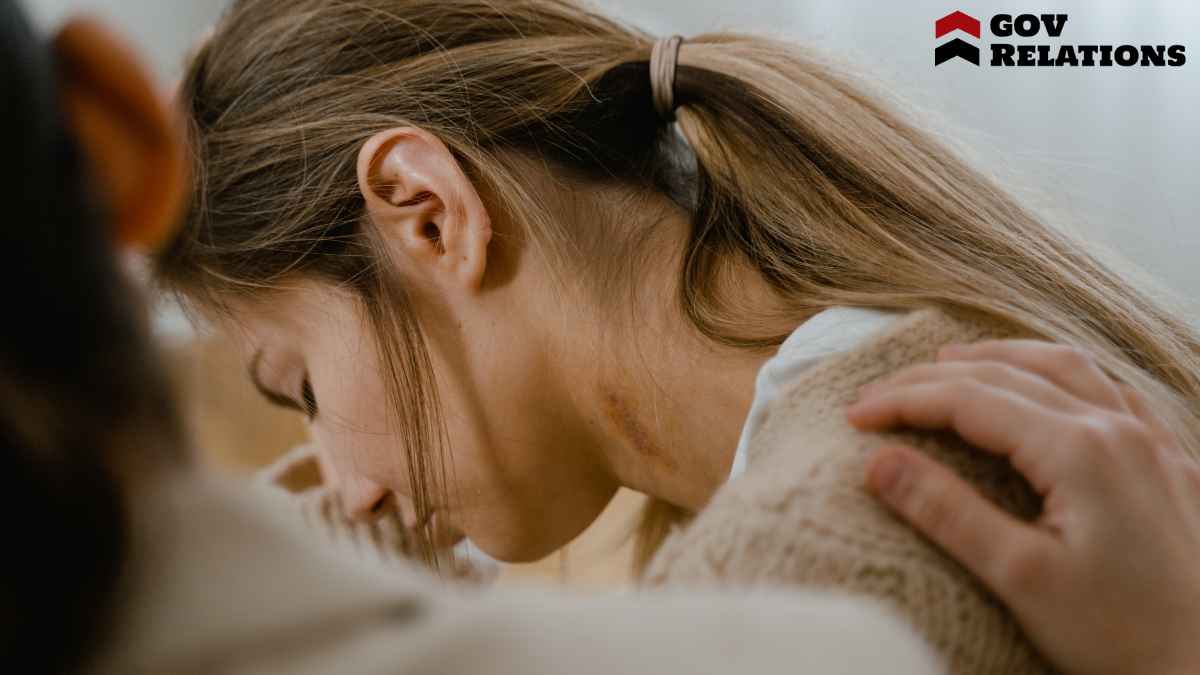
When grappling with the challenges of low income, it’s essential to identify coping strategies and support systems that can help us navigate these difficulties.
First, let’s explore budgeting tools. Apps and online resources can help us track expenses and identify savings opportunities. Community programs often offer financial literacy workshops, guiding us in managing our resources wisely.
We shouldn’t overlook support networks like family and friends who can provide emotional and sometimes financial assistance. Local food banks and community centers often offer meals and essential supplies.
Government programs, such as SNAP and MedicaidA joint federal and state program that helps with medical costs for some people with limited income ..., provide vital aid, helping us cover basic needs. By utilizing these strategies and support systems, we can alleviate some stress and work toward a more stable financial future.
Conclusion
In challenging times, we must recognize that low income affects all aspects of our lives. We often find ourselves making tough choices about housing, healthcare, education, and even putting food on the table. Despite these struggles, it's essential to remember that support systems exist to help us cope and aim for a better future. By seeking out available resources and leaning on our communities, we can work towards breaking the cycle and improving our quality of life.




