Let's explore whether settling a debt will boost our credit score. While settling might seem like a quick fix for financial relief, it doesn't automatically lead to a higher score. In fact, it can temporarily lower it. But what happens in the long run? How can we turn this situation around and work towards improving our credit? These are the questions we need to tackle.
Key Takeaways
- Settling a debt initially causes a negative impact on your credit score.
- A "settled" status on credit reports remains for seven years and affects future borrowing.
- Over time, settling a debt can improve scores by stopping collections and reducing the debt-to-income ratio.
- Consistent on-time payments post-settlement help rebuild and improve credit scores.
- Patience and responsible credit use are essential for score recovery after settlement.
Understanding Credit Scores and Their Components
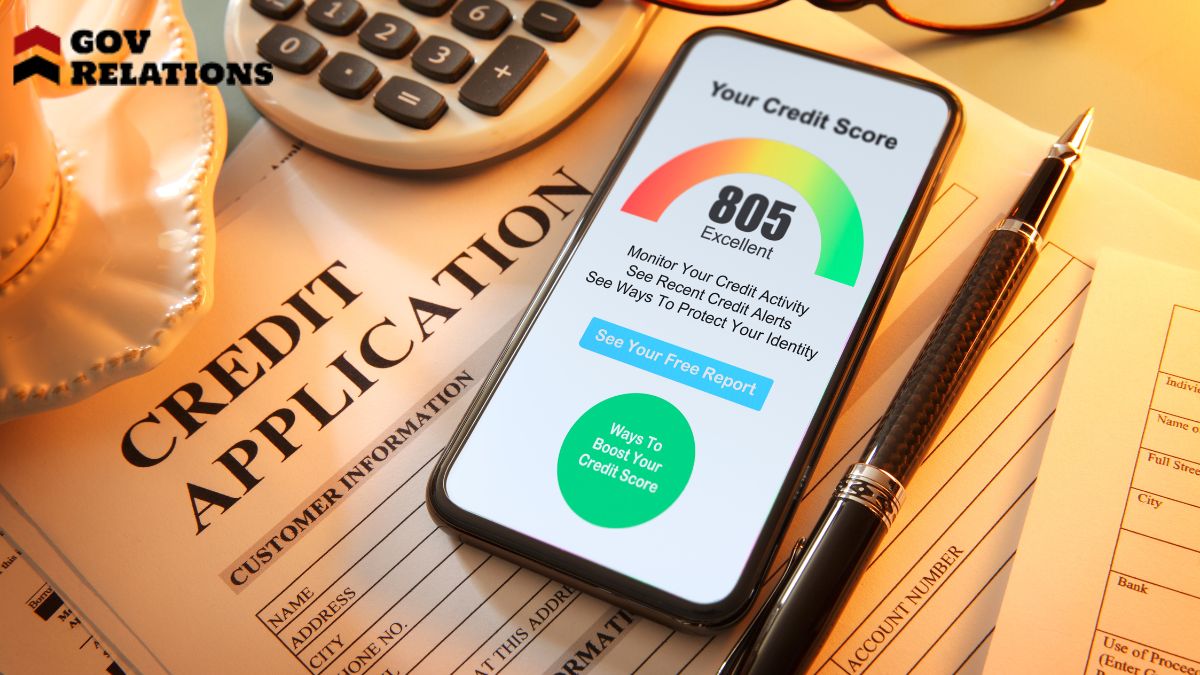
Credit scores are critical in determining our financial health and borrowing power. They reflect our creditworthiness and affect our ability to secure loans, rent apartments, and even land jobs.
Understanding credit scores involves knowing their key components: payment history, amounts owed, length of credit history, new credit, and credit mix.
Payment history, making up 35%, is the most significant factor. Consistent, on-time payments boost our score, while late payments harm it.
The amounts owed, at 30%, consider how much of our available credit we're using. It’s best to keep this ratio low.
The length of credit history accounts for 15%, rewarding longer, responsible credit use.
New credit and credit mix, at 10% each, assess recent credit inquiries and the diversity of credit accounts.
What Is Debt Settlement?
Debt settlement, a financial strategy many consider when overwhelmed by debt, can offer a path to relief. It involves negotiating with creditors to pay a lump sum that's less than the total amount owed.
When we opt for debt settlement, we propose to settle our debt by paying a portion of it, often with the help of a debt settlement company. This approach can be appealing if we’re unable to meet our current financial obligations or facing potential bankruptcy.
However, it’s important to understand that creditors aren’t obligated to accept our offer. If they do agree, settling can close the debt for less than what's owed, freeing up some financial pressure.
Yet, the process can be complex and might impact our credit score.
How Debt Settlement Differs From Debt Consolidation
While both strategies aim to address debt, debt settlement and debt consolidation differ markedly in their approach and impact on our financial health.
With debt settlement, we're negotiating with creditors to pay less than what we owe. This often involves a lump-sum payment, and while it can reduce debt, it may negatively affect our credit score.
On the other hand, debt consolidation combines multiple debts into a single loanA sum of money borrowed that is expected to be paid back with interest., ideally with a lower interest rate. This simplifies our payments and can improve our credit score over time if we manage it responsibly.
However, it doesn't reduce the total debt owed. Understanding these differences helps us choose the right path based on our financial situation and long-term goals, ensuring we make informed decisions.
Immediate Effects of Settling a Debt on Your Credit Score
While settling a debt might reduce our outstanding balances, the initial effect on our credit score is usually negative.
Credit scoring models view settled debts less favorably because they indicate that we didn't fully meet our obligations.
However, paying off a settled debt can stop ongoing collection activities, which might offer some immediate relief.
Understanding these effects helps us make informed financial decisions.
Long-Term Credit Score Implications of Debt Settlement
As we consider the long-term implications of debt settlement, we need to understand that it can leave a lasting mark on our credit report.
This mark can present challenges when we're looking to borrow in the future, as lenders might view us as a higher risk.
It's essential to weigh these potential setbacks against the immediate relief debt settlement can provide.
Impact on Credit Report
Although dealing with debt can be overwhelming, understanding its impact on your credit report is essential.
When we settle a debt, it’s vital to know that the account will be marked as "settled" on our credit report. This designation indicates the debt was paid for less than the full amount owed.
While settling a debt can immediately relieve financial stress, it may not boost our credit score right away. The "settled" status can remain on our credit report for seven years, potentially affecting our overall credit history.
It's a double-edged sword: we reduce our financial burden, but our credit report reflects that we didn’t pay the full amount.
Over time, though, responsible financial habits can help improve our credit score.
Future Borrowing Challenges
Settling debt doesn't just impact our credit report; it also shapes our future borrowing prospects. Lenders may view a settled debt as a red flag, suggesting we might struggle to fulfill our financial commitments. This perception could lead to higher interest rates or even loan denials.
In their eyes, settling a debt instead of paying it in full indicates potential risk. We must understand that even though our credit score might improve slightly, the settlement mark can linger, influencing lenders' decisions for years.
To mitigate these challenges, let's focus on rebuilding trust. Consistent, timely payments on current accounts demonstrate reliability.
Over time, this positive behavior can outweigh the negative impact of a settlement, helping us secure better borrowing terms in the future.
Factors Influencing the Impact of Debt Settlement
When considering debt settlement, several factors greatly influence its impact on our credit score and financial health.
First, how creditors report the settled debt plays a vital role. If they report it as “settled” rather than “paid in full,” our score can take a hit.
The age of the debt also matters; older debts mightn't affect us as much as newer ones. Additionally, the amount of debt settled compared to our overall debt load can determine the impact. Settling a large portion of our total debt may reflect positively.
Finally, our overall credit history and whether we’ve maintained timely payments on other accounts can mitigate negative effects. Understanding these factors helps us make informed decisions about settling our debts.
Pros and Cons of Settling a Debt
Choosing to settle a debt can be a double-edged sword, bringing both benefits and drawbacks to our financial journey.
On one hand, settling a debt might allow us to pay less than what we owe, providing immediate relief and closing an outstanding account. This can help us focus on other financial goals without the weight of unpaid debts looming over us.
However, there's a catch: it can negatively impact our credit score since settled debts are often reported as paid less than originally agreed. This status might signal to future lenders that we're not fulfilling our financial obligations entirely.
We must weigh these pros and cons carefully, considering how each might affect our short-term peace of mind and long-term financial health.
Alternative Strategies for Improving Your Credit Score
Let's explore some effective strategies to boost our credit scores.
Paying bills promptly, reducing credit utilization, and diversifying our credit mix are key steps we can take.
Pay Bills Promptly
Paying bills promptly is a straightforward yet powerful strategy for boosting your credit score. When we make timely payments, we demonstrate financial responsibility, which credit agencies notice.
It’s essential to understand that our payment history is a significant factor in calculating credit scores. Consequently, consistently paying our bills on or before the due date helps maintain a positive credit profile.
Let’s set reminders or automate payments to guarantee we never miss a deadline. Even small, overlooked bills can negatively impact our credit score if they’re late.
Reduce Credit Utilization
While timely bill payments bolster our credit profile, another powerful approach to contemplate is reducing credit utilization.
Credit utilization refers to the percentage of our available credit that we're currently using. Ideally, we should aim to keep it below 30% to positively impact our credit score.
To achieve this, we can focus on paying down existing balances and avoiding maxing out our credit cards. Additionally, requesting a credit limit increase can also help, as long as we don't increase our spending.
It's essential to monitor our balances regularly and guarantee we're using our credit lines wisely. By maintaining a lower credit utilization rate, we send a positive signal to lenders, indicating responsible credit management, and potentially boost our credit score.
Diversify Credit Mix
Although many focus on credit utilization alone, diversifying our credit mix is another effective strategy for enhancing our credit score. A diverse credit portfolio signals to lenders that we can handle different types of credit responsibly. This includes revolving credit, like credit cards, and installment loans, such as auto or personal loans.
By showing our ability to manage various credit forms, we build a more robust credit profile.
Let’s consider adding a small installment loan or a secured credit card to our financial toolkit. These additions can improve our credit mix, as long as we manage them wisely, making timely payments.
Steps to Take Before Settling a Debt
Before we immerse ourselves in settling a debt, it's essential to take a few preparatory steps that can greatly influence the outcome.
First, let's assess our financial situation thoroughly. By understanding our complete financial picture, including all debts and income, we can make informed decisions about which debts to prioritize.
Next, we should contact our creditors to negotiate terms. Open communication can often lead to more favorable settlement options.
Additionally, checking our credit report is imperative. We need to guarantee all information is accurate, as errors can impact our decisions.
Finally, let's set a realistic budgetA detailed financial plan outlining the projected costs of the project, including personnel, equipme.... Knowing exactly what we can afford to offer in a settlement will guide us in making sound financial commitments.
With preparation, we’ll navigate this process more effectively.
Tips for Rebuilding Your Credit Post-Settlement
After settling a debt, it's vital that we focus on rebuilding our credit to improve our financial health.
First, let's review our credit reports for any inaccuracies. Identifying and disputing errors can help us clean up our records.
Next, creating a budget guarantees we stay on top of payments, avoiding further debt accumulation. We should consider setting up automatic payments to prevent missing due dates.
Building a positive payment history is essential. Let's not forget to use credit wisely; keeping our credit utilization low will boost our score over time.
Additionally, we can explore secured credit cards as a tool to rebuild credit responsibly.
Finally, patience and consistency are key. Over time, our efforts will reflect positively on our credit score.
Conclusion
In summary, while settling a debt might initially lower our credit score, it's essential to see the bigger picture. By staying committed to responsible credit habits like timely payments and reducing credit utilization, we can gradually rebuild our credit over time. Let's weigh the pros and cons carefully and consider alternative strategies that might better suit our situation. Remember, improving our credit score is a journey, and with patience and discipline, we're capable of achieving it.