
We all know that supporting low-income families is essential for building stronger communities. Nonprofit organizationsEntities that use surplus revenues to achieve their goals rather than distributing them as profit or... play an important role in this mission by providing necessary services such as food assistance, affordable housing, and educational resources. But how exactly do these nonprofits operate, and which ones are making the biggest impact? Let's explore some of these remarkable organizations and see how they're helping families in need.
Key Takeaways
- Habitat for Humanity builds affordable homes for low-income families.
- The National Association of Free and Charitable Clinics offers free medical services.
- Mercy Housing provides rental assistance and support services for stable housing solutions.
- Health Leads connects families to essential healthcare and nutrition resources.
- Community Action Partnership empowers low-income families through advocacy and skill development.
Food Assistance Programs
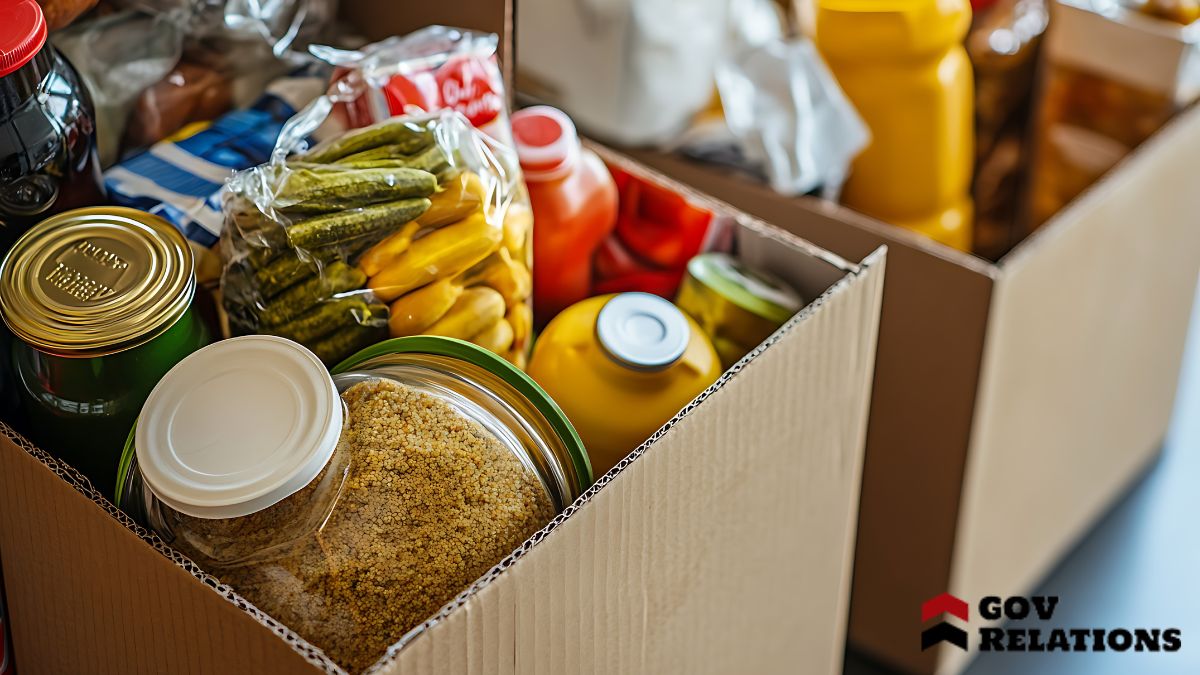
Food insecurity is a pressing issue that affects many low-income families, and food assistance programs play an essential role in addressing this challenge.
We all know how important it is to have access to nutritious food, and these programs help guarantee families don't face empty pantries. Many nonprofits, such as food banks and community kitchens, provide essential resources. They collaborate with local grocers and farms to distribute fresh produce and staples to those in need.
These organizations often host events or drive-thru pantries, making it easier for families to access food without stigma or embarrassment. By supporting these initiatives, we contribute to a more equitable society where everyone's basic needs are met.
Let's continue to support and advocate for these essential programs.
Affordable Housing Initiatives
While securing a stable home is essential for low-income families, affordable housing initiatives often provide the lifeline they need to thrive.
We recognize that nonprofits offer innovative solutions to address housing challenges. Organizations like Habitat for Humanity build affordable homes, allowing families to invest sweat equity and eventually own their homes.
Meanwhile, groups such as Mercy Housing offer rental assistance and support services designed to maintain housing stabilityRequirements for projects aimed at providing stable and affordable housing solutions..
We can't overlook the role of local housing coalitions working tirelessly to advocate for affordable housing policies.
By collaborating with government agencies, these nonprofits guarantee more families have access to safe, affordable homes.
It’s reassuring to see how these initiatives work together, helping families not only find shelter but also build a foundation for a better future.
Educational Support Services
Recognizing the critical role education plays in breaking the cycle of poverty, many nonprofits dedicate resources to educational support services for low-income families.
We see organizations providing tutoring, mentoring, and after-school programs that help children thrive academically. By offering scholarships and grants, they make higher education accessible to those who might otherwise find it out of reach.
We also find nonprofits focusing on adult education, offering GED preparation and career training to enhance job prospects.
These programs empower parents to better support their children's education while improving their own economic stability.
Healthcare Access and Resources
Access to healthcare is crucial for the well-being of low-income families, and many nonprofits are stepping up to bridge the gap. We see organizations like the National Association of Free and Charitable Clinics offering free medical services to those in need. They guarantee families get the basic healthcare they might otherwise miss.
Another group, Remote Area Medical, provides mobile clinics that deliver critical services directly to underserved areas. These efforts prevent minor health issues from becoming major problems.
We can also look at nonprofits like Health Leads, which connects families to essential resources, such as nutrition assistance and housing support, improving overall health. By addressing healthcare disparities, these organizations empower families to lead healthier, more stable lives.
They're making a real difference in our communities.
Community Advocacy and Empowerment

Building on the efforts of healthcare-focused nonprofits, community advocacy and empowerment play an essential role in uplifting low-income families. By participating in local initiatives, we amplify voices that often go unheard. Organizations like the Community Action Partnership work tirelessly to guarantee families have access to resources, education, and opportunities for growth.
When we empower individuals with knowledge and skills, we’re not just helping them today but setting a foundation for future success.
We can’t underestimate the power of collective action. By advocating for policy changes and creating supportive networks, we foster environments where families thrive.
We should engage with these nonprofits, attend community meetings, and volunteer our time. Together, we can build stronger, more resilient communities, making sure everyone has a fair shot at success.
Conclusion
In supporting low-income families, we see how nonprofit organizations make a real difference. By providing food assistance, affordable housing, educational support, and healthcare accessCriteria ensuring that the project improves access to healthcare services., they're helping families thrive. Through community advocacy and empowerment, these groups are driving lasting change and giving hope to those who need it most. Let's continue to support and engage with these organizations, ensuring everyone has the resources and opportunities they deserve. Together, we can make a positive impact.