

Food banks play an essential role in alleviating hunger by gathering and distributing food to those in need. They rely on donations from local grocers, community efforts, and partnerships with manufacturers to stock their shelves. Eligibility for assistance generally depends on factors like income, family size, and residency, but the criteria can vary. Understanding how food banks operate and who they help can reveal the broader impact they have on our communities.
Key Takeaways
- Food banks receive donations from local grocers, manufacturers, and community food drives to distribute to those in need.
- Eligibility is based on income level, household size, and residency, with documentation like pay stubs often required.
- Volunteers sort, pack, and manage inventory to ensure the quality and freshness of food items.
- Partnerships with businesses and farms help provide a variety of nutritious food options.
- Information on eligibility criteriaThe specific requirements and conditions that applicants must meet to qualify for a grant. is available on food bank websites or through direct contact.
The Role of Food Banks in Combating Hunger
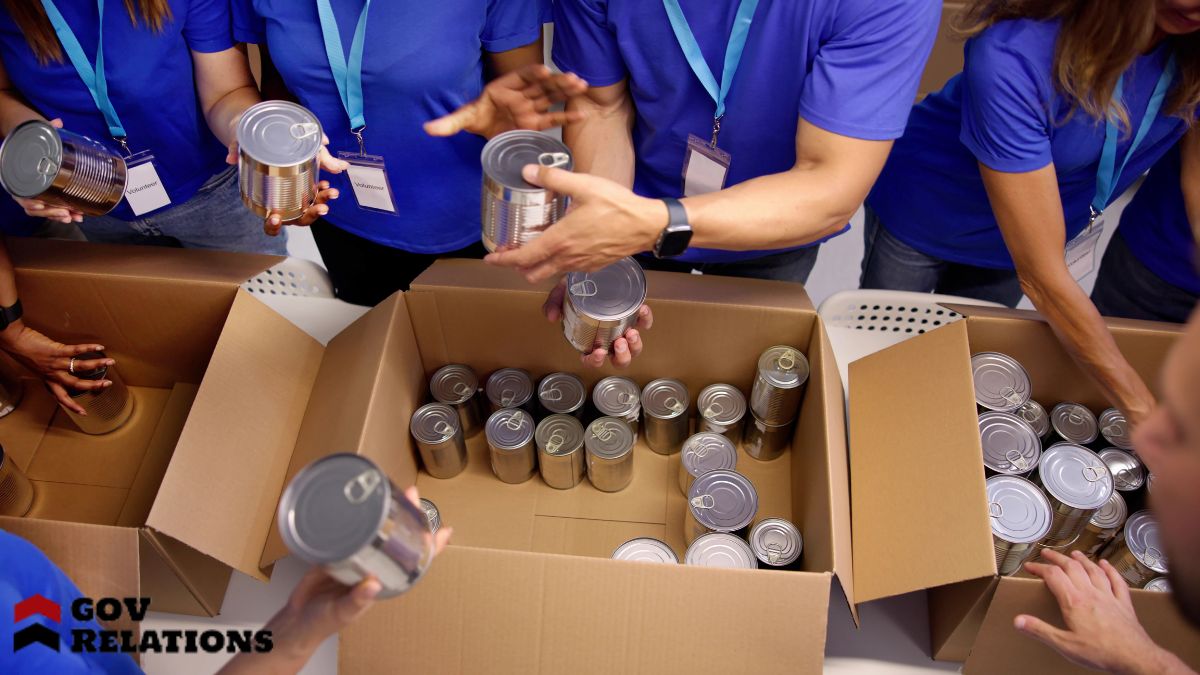
Although hunger remains a pressing issue worldwide, food banks play an essential role in addressing this challenge. We work together to guarantee that those in need have access to nutritious food. By distributing meals and groceries to individuals and families, food banks help bridge the gap between surplus and scarcity.
They're not just about handing out food; they're about nourishing communities and promoting dignity.
We understand the importance of community supportDemonstration of local community support for the project, often through letters of support or commun..., and food banks embody this spirit. Through partnerships with local organizations and volunteers, they create a network of care and compassion.
As we combat hunger, our efforts are vital in providing relief and hope to those who struggle daily. By supporting food banks, we contribute to a collective effort to reduce hunger and improve lives.
Where Do Food Banks Source Their Supplies?
Let's explore how food banks gather the supplies they distribute to those in need.
We often see donations from local grocers, which play an important role in keeping shelves stocked.
Additionally, partnerships with food manufacturers and community food drives provide fundamental resources to guarantee food banks can continue their essential work.
Donations From Local Grocers
Local grocers play an essential role in supporting food banks by providing crucial donations that help stock their shelves. They contribute surplus food and items nearing expiration, which might otherwise go to waste. This partnership benefits everyone involved, ensuring food is used efficiently and reaches those in need.
When grocers donate, they're not just offloading excess inventory; they're actively participating in their communities' welfare. By giving fresh produce, dairy, and staples, grocers help maintain a variety of nutritious options for food bank recipients.
We see this collaboration as a win-win: grocers reduce waste and food banks receive much-needed supplies. By working closely with local grocers, food banks can better address hunger, providing a lifeline to families struggling to put meals on the table.
Partnerships With Food Manufacturers
In addition to the generosity of local grocers, food banks often source their supplies through partnerships with food manufacturers.
These collaborations are essential in guaranteeing a steady flow of vital items. When manufacturers have surplus products or items close to expiration, they donate them to food banks, preventing waste and helping those in need.
We work closely with these partners to guarantee safety and quality standards are met, providing nutritious options for families. By coordinating logistics and transportation, we maximize efficiency in distribution.
Food manufacturers play a pivotal role in the fight against hunger, enabling us to reach more people. These partnerships allow us to maintain a diverse inventory, assuring food banks remain a reliable resource for the community.
Community Food Drives
While partnerships with food manufacturers are essential, community food drives also play an important role in stocking our food banks. These drives are organized by schools, churches, local businesses, and neighborhood groups.
Each of us can contribute by donating non-perishable items, like canned goods and boxed meals, which are then collected and distributed to those in need.
Community food drives foster a spirit of giving and remind us that every little bit helps. They offer an accessible way for everyone to get involved, making a tangible impact right in our backyard.
The Logistics of Food Distribution
Efficient food distribution is vital to guarantee that resources reach those in need promptly and effectively. We must carefully manage inventory, making certain that food items are stored, tracked, and rotated to maintain quality.
Our work starts with receiving donations from various sources, which we then sort according to perishability and nutritional value. Once sorted, we pack these items into boxes, making sure they meet dietary needs and preferences.
Next, we coordinate with local pantries and shelters, scheduling deliveries that align with their capacity and storage capabilities. Transportation logistics are essential, as timely and reliable delivery guarantees that food remains fresh and safe.
Partnerships and Collaborations in Food Banking
Although food distribution is essential, it's the partnerships and collaborations that truly amplify our efforts in food banking. By teaming up with local businesses, farmers, and grocery stores, we increase the variety and quantity of food available to those in need.
Collaborating with these partners guarantees we're not just distributing food, but also reducing waste and supporting local economies. We work closely with non-profits and government programs to streamline operations and expand our reach.
These partnerships enable us to access resources and knowledge that might otherwise be out of reach. Together, we can tackle hunger more effectively and make a meaningful impact.
It's through these strategic alliances that we can guarantee a more sustainable and responsive food banking system.
Volunteer Involvement and Community Support
Let’s explore how volunteers play an essential role in the success of food banks, from organizing and distributing donations to managing community outreachActivities aimed at engaging and involving the community in the project, often to build support and ....
By participating in donation drives and fostering partnerships with local businesses, we can strengthen our support network and guarantee resources reach those in need.
Together, our collective efforts make a significant impact in addressing food insecurity in our communities.
Volunteer Roles and Responsibilities
Volunteers play an essential role in the operation of food banks, offering their time and skills to support community needs. We rely on them for tasks like sorting and packing food donations, making certain everything is ready for distribution.
They also assist in administrative duties, helping with data entry, answering phones, and greeting clients. When it comes to food drives, volunteers are vital in organizing and collecting donations.
In addition, they often manage inventory, making certain that food items are fresh and stored properly. Volunteers sometimes help with outreach efforts, spreading awareness about the food bank’s services.
Their dedication guarantees that food banks run smoothly and effectively. Together, we create a supportive community network, helping those who need it most.
Community Donation Drives
When communities come together for donation drives, the impact is both immediate and long-lasting. We see firsthand how these efforts bring neighbors closer, creating a shared sense of purpose.
By contributing non-perishable food items or volunteering our time, we directly address hunger in our area. These drives are essential because they replenish food bank supplies that support families in need.
Our involvement isn’t just about giving; it’s about building a community that cares. Every can or box we donate adds up to something greater—a safety net for those facing tough times.
We can volunteer to organize, sort donations, or spread the word about upcoming events. Our collective energy guarantees that food banks continue to help our neighbors thrive.
Local Business Partnerships
Building on the power of community donation drives, our local business partnerships play a pivotal role in reinforcing the support network for food banks. By collaborating with businesses, we expand our reach and resources.
These partnerships often provide essential goods, financial donations, and volunteer hoursThe time contributed by volunteers to support project activities, often documented and valued as in-..., vital for keeping our operations running smoothly.
Local businesses often organize food collection events and encourage employees to volunteer, directly involving them in community support. This not only helps us stock our shelves but also fosters a sense of community solidarity.
Together, we can create a more resilient safety net for those in need.
Understanding Eligibility Criteria for Assistance
Although maneuvering through the eligibility criteria for food assistance can seem intimidating, understanding these guidelines is vital for those seeking support.
Food banks typically assess eligibility based on a combination of factors, including income level, household size, and residency. We can usually find this information on the food bank’s website or by contacting them directly. They may ask us to provide documentation, like pay stubs or utility bills, to verify our situation.
It’s important to remember that each food bank might've slightly different criteria, so checking with the specific organization is fundamental. Being open about our circumstances can help us get the assistance we need.
Let’s make sure we gather all necessary information beforehand, as this can streamline the process and make it less stressful.
How Food Banks Ensure Nutritional Quality
Guaranteeing the nutritional quality of the food distributed is a priority for food banks, as they endeavor to provide healthy options to those in need.
We collaborate with nutritionists and health experts to develop balanced guidelines that focus on essential food groups. Our goal is to offer foods rich in vitamins, minerals, and proteins to support recipients' well-being.
We carefully select donations and partner with local farms, supermarkets, and food manufacturers to secure fresh produce, dairy, whole grains, and lean proteins.
By prioritizing these partnerships, we guarantee a steady supply of nutritious foods. Additionally, we educate our beneficiariesIndividuals or groups who directly benefit from the project's activities and outcomes. on healthy eating, providing recipes and tips to maximize the nutritional value of their food.
This holistic approach helps us promote better health outcomesThe changes or benefits resulting from the project's activities, often categorized as short-term, in....
The Impact of Food Banks on Local Communities
Let's explore how food banks not only alleviate the hunger crisis but also strengthen community bonds.
By providing essential resources, food banks create a support network that brings neighbors together.
As we discuss their impact, we'll see how these organizations foster a sense of unity and resilience in our communities.
Alleviating Hunger Crisis
When communities rally together to support food banks, they make a tangible difference in fighting local hunger. We see this impact every day as these organizations provide much-needed resources to those who are struggling. By distributing donated food, food banks help guarantee that families have access to nutritious meals, which is essential for health and well-being.
Food banks alleviate immediate hunger and also play an important role in the broader fight against food insecurity. They help bridge the gap when families face financial hardships, preventing difficult choices between food, housing, and healthcare.
Strengthening Community Bonds
Food banks do more than just provide food; they’re a cornerstone for building strong, interconnected communities. When we engage with food banks, we’re not only addressing hunger but also nurturing meaningful relationships within our neighborhood.
Here’s how they strengthen bonds:
- Volunteer Opportunities: Food banks rely heavily on community volunteers. By working together, we form connections and foster a sense of belonging.
- Community Events: Many food banks host events that bring us together, promoting unity and understanding among diverse groups.
- Education and Resources: They offer workshops and resources that empower us with knowledge on nutrition and self-sufficiency.
Challenges Faced by Food Banks
While food banks play an essential role in supporting those in need, they face significant challenges that can hamper their operations. One major hurdle is securing sufficient funding to sustain their services. Many food banks rely heavily on donations, which can be unpredictable and fluctuate throughout the year.
Additionally, they often grapple with logistical issues, such as inadequate storage facilities and transportation difficulties, which can hinder the efficient distribution of food.
Furthermore, food banks must guarantee a consistent supply of nutritious options, not just non-perishable items, to meet diverse dietary needs.
Staffing, often reliant on volunteers, presents another challenge. We need regular volunteers for efficient operations, but volunteer availability can be inconsistent.
These challenges highlight the complex environment in which food banks operate, working to meet the growing demand.
How to Support and Get Involved With Food Banks
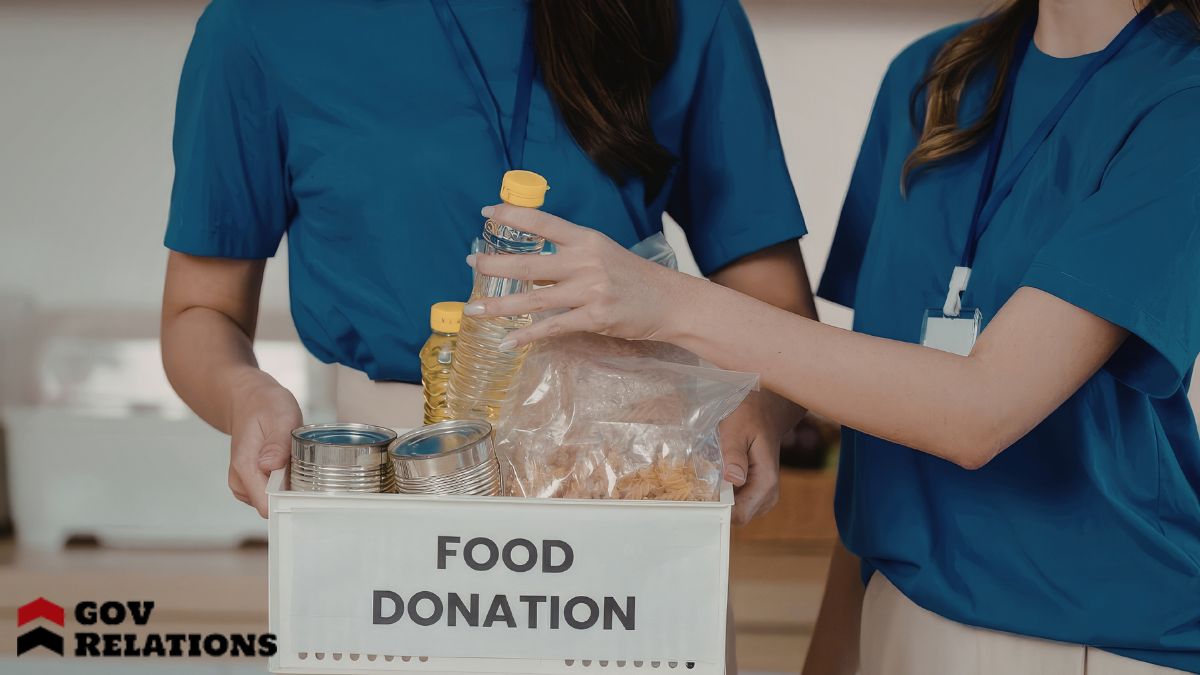
Supporting food banks and getting involved in their mission can make a significant impact on our communities. By contributing our time, resources, or skills, we can guarantee these essential services continue to help those in need.
Here’s how we can get involved:
- Volunteer: Many food banks rely on volunteers to sort donations, pack boxes, and distribute food. Even a few hours a month can make a big difference.
- Donate: Financial contributions or food donations (like canned goods or dried foods) are always welcome. Check with local food banks for specific needs.
- Advocate: Raise awareness about food insecurity and food banks' needs by sharing information on social media or hosting community events.
Let’s work together to fight hunger and support those in need.
Conclusion
As we've explored, food banks play an essential role in fighting hunger by sourcing and distributing nutritious food to those in need. We've seen how partnerships, community support, and dedicated volunteers keep these vital services running smoothly. Despite challenges, food banks make a significant impact on local communities by ensuring that everyone has access to balanced meals. Let’s continue to support and engage with food banks to strengthen their efforts and help those who rely on them.




