

If you're wondering whether there are grants available for communities to develop disaster response plans, the answer is yes. Various federal and state programs, such as FEMA's initiatives, provide essential funding. Local governmentsMunicipal or county governments that provide grants and funding for community projects and services.... can access these resources for training and equipment, while non-profits and private partnerships offer tailored financial support. Curious about how these opportunities can transform your community's preparedness? There's much more to discover.
Key Takeaways
- FEMA's Hazard Mitigation Assistance offers grants for reducing disaster risks and developing response plans.
- The Pre-Disaster Mitigation GrantA sum of money given by a government or other organization for a particular purpose, usually without... Program supports initiatives to lessen future disaster impacts.
- State governments provide grants for creating disaster response plans and purchasing necessary equipment.
- Non-profit organizations like the Red Cross offer financial support for community disaster preparednessRequirements for projects aimed at enhancing the readiness and resilience of communities to natural ....
- Corporate sponsorships and philanthropic grants can enhance resources for developing disaster response plans.
Understanding the Importance of Disaster Response Plans
When disaster strikes, having a well-crafted response plan can mean the difference between chaos and order. You need a disaster response plan to guide your community through crises, guaranteeing safety and minimizing damage. Such plans help coordinate resources, streamline communication, and provide clear actions for everyone involved.
Without a plan, confusion can reign, leading to delays and increased risks.
Creating a response plan involves evaluating potential hazards and establishing protocols for various scenarios. You should engage all community members, fostering a shared understanding of roles and responsibilities.
This preparation guarantees that when an emergency occurs, everyone knows what to do. A structured response plan not only saves lives but also strengthens community resilienceEligibility for projects that enhance the resilience and adaptive capacity of communities to various..., allowing quicker recovery and reducing long-term impacts.
Identifying Vulnerable and Underserved Communities
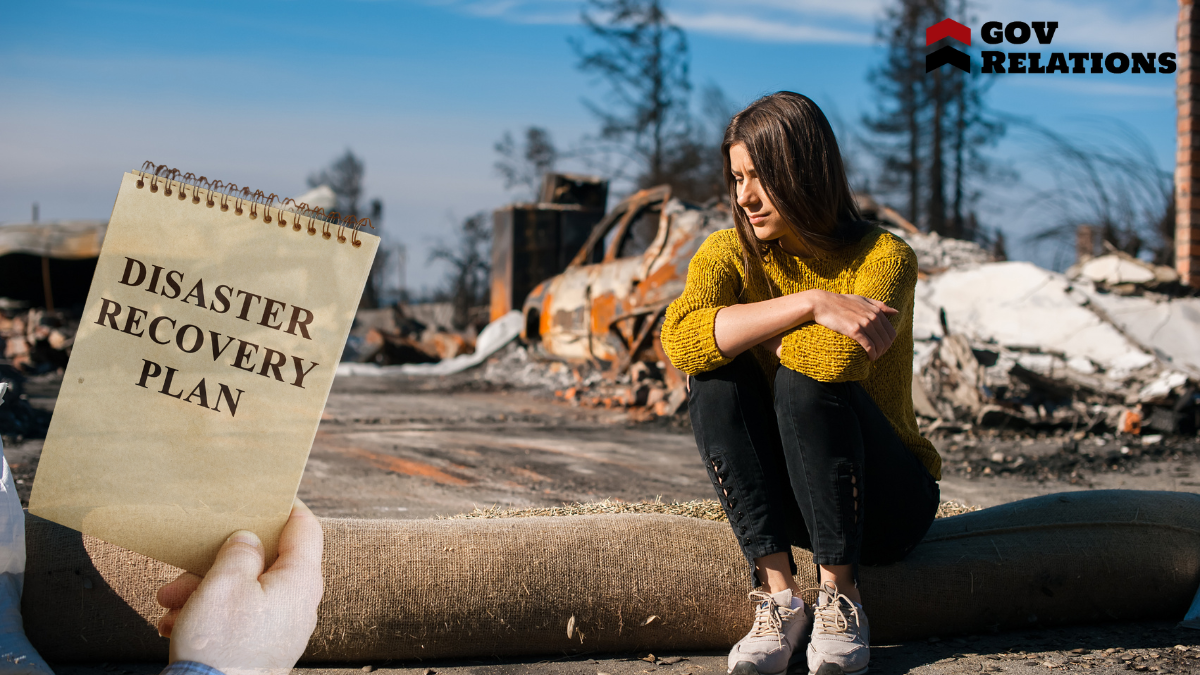
While crafting a disaster response plan is essential, it's equally important to identify the communities that need it most. You should focus on vulnerable and underserved areas, as they often lack the resources to prepare for and recover from disasters effectively.
Consider factors like socioeconomic status, geographic location, and access to emergency services. Communities in flood-prone areas, for instance, may face higher risks.
Don’t overlook minority groups that mightn't receive adequate support due to language barriers or other factors. By pinpointing these communities, you can tailor your plans to address their specific needs, ensuring everyone has an equal chance at safety.
Government Grants for Disaster Preparedness
When you're preparing for disasters, understanding the various government grants available can make all the difference.
Federal funding opportunities and state-level grant programs offer essential support to enhance your community's readiness.
To access these funds, you need to navigate the application process carefully, adhering to specific guidelines and requirements.
Federal Funding Opportunities
Although natural disasters can strike with little warning, preparing for them is essential, and federal funding opportunities provide indispensable support for disaster preparedness. You’ll find that programs like FEMA's Hazard Mitigation Assistance (HMA) offer grants to help communities reduce disaster risks.
These grants can fund projects like flood control, building reinforcements, and community education programs. To access these funds, you’ll need to navigate an application process that requires demonstrating your community's specific needs and how the funding will address them.
Additionally, the Pre-Disaster Mitigation Grant Program is designed to support initiatives that lessen the impact of future disasters. It’s important to stay informed about deadlines and requirements, as these can change.
State-Level Grant Programs
State governments offer a range of grants to help communities bolster their disaster preparedness efforts. These grants can fund various initiatives, from developing thorough response plans to conducting community training and purchasing necessary equipment.
By tapping into these resources, you can enhance your community's resilience against potential disasters.
Each state may have different grant programs tailored to its unique risks and needs. You should explore your state's emergency management agency website to find specific opportunities.
Don't hesitate to reach out to state officials for guidance on eligibility and available funding. These programs often prioritize projects that promote collaboration among local agencies, so consider partnerships with neighboring communities.
Application Process Guidelines
Exploring state-level grants is just the beginning; understanding the application process for government grants is key to securing funding for disaster preparedness.
Start by researching specific grant opportunities and their eligibility criteriaThe specific requirements and conditions that applicants must meet to qualify for a grant.. Each grant might have unique requirements, so pay close attention to the guidelines.
Next, gather necessary documents, such as your community’s disaster response plan, budgetA detailed financial plan outlining the projected costs of the project, including personnel, equipme..., and proof of need. Make sure your application clearly outlines how the funds will enhance disaster preparedness.
Don’t rush—proofread for completeness and accuracy. Submitting your application before the deadline is vital. If you need clarification, reach out to the grant's contact person for guidance.
Non-Profit Organizations Offering Financial Support
When natural disasters strike, non-profit organizations often step up to provide essential financial support for disaster response plans. You might wonder how to tap into these resources.
Start by researching well-known non-profits like the Red Cross or United Way, which have dedicated funding for disaster preparedness. They can offer grants that help develop effective community response strategies.
Smaller, local organizations also play a significant role. They understand regional needs and can provide tailored support. Reach out to them for potential funding opportunities specific to your community.
Don’t forget to check their eligibility criteria and application deadlines. By aligning your goals with their mission, you increase your chances of securing funding.
Private Sector Funding and Partnerships
You can access substantial resources for disaster response plans by exploring corporate sponsorshipFinancial support provided by a corporation to a project or event in exchange for brand recognition ... opportunities.
Collaborating with private companies through public-private models can enhance your project’s impact and efficiency.
Don’t overlook philanthropic grantFunding provided by a foundation or individual philanthropist to support charitable activities. initiatives, as they often provide essential funding tailored to your specific needs.
Corporate Sponsorship Opportunities
While developing disaster response plans, it's crucial to recognize the role corporate sponsorshipFinancial support provided by an organization or individual for an event, activity, or project, ofte... can play in bolstering resources and capabilities.
You can tap into the private sector's resources by reaching out to local businesses and large corporationsBusinesses that offer grants and funding through corporate social responsibility (CSR) programs or p... for financial support or in-kind donations. Companies often seek opportunities to demonstrate social responsibility, and sponsoring community initiatives like yours can enhance their public image.
To attract potential sponsors, clearly communicate your plan's objectivesSpecific, measurable goals that the project aims to achieve within a set timeframe, often linked to ... and how their contribution will make a tangible impact. You should also highlight any benefits they'll receive, such as brand visibility or community goodwill.
Cultivating these partnerships not only strengthens your disaster response plan but also fosters a resilient community prepared to face future challenges together.
Public-Private Collaboration Models
Building on the strength of corporate sponsorships, exploring public-private collaboration models offers valuable opportunities for enhancing disaster response plans.
You can tap into the expertise, resources, and innovation that private companies bring to the table. By partnering with businesses, communities gain access to cutting-edge technologies and logistical support essential during emergencies.
These collaborations can result in faster response times and more efficient resource distribution. Also, businesses have a vested interest in community resilience, as it guarantees a stable environment for their operations.
Look for companies that align with your goals and foster open communication to establish clear, mutually beneficial objectives.
Philanthropic Grant Initiatives
Although public-private collaborations form a strong foundation for disaster response, philanthropic grant initiatives from the private sector further amplify these efforts. You can harness these grants to develop robust disaster response plans in your community.
Many private foundationsPrivate, public, or corporate entities that provide funding for charitable activities, often focusin... and corporations are enthusiastic to invest in local preparedness, offering financial support and resources. By partnering with these entities, you not only gain access to funding but also benefit from their expertise and networks.
Start by researching organizations aligned with your community's needs. Reach out to potential partners with a clear proposalA formal document submitted to a grantor, detailing the project plan, budget, and expected outcomes,... outlining your goals and the impact of their support.
How to Apply for Disaster Response Grants
Applying for disaster response grants can be a straightforward process if you follow a few essential steps. First, research available grants that align with your community's needs. Government and nonprofit websites are excellent starting points.
Next, carefully read the grant requirements and guidelines to guarantee eligibility. Once you've identified a suitable grant, gather the necessary documentation, such as community data and existing emergency plans.
It's vital to clearly articulate your community's needs and how the grant will address them. Draft a compelling proposal that outlines your objectives, strategies, and expected outcomesThe changes or benefits resulting from the project's activities, often categorized as short-term, in....
Finally, submit your application before the deadline, double-checking for completeness and accuracy. By following these steps, you'll increase your chances of securing funding for your community's disaster response initiatives.
Case Studies: Successful Community Grant Applications
When communities secure disaster response grants, their success often stems from meticulous planning and clear communication.
Take, for example, a coastal town that faced frequent hurricanes. They identified specific vulnerabilities, like outdated infrastructure, and proposed targeted solutions. By engaging with local stakeholders, they guaranteed their plan reflected actual community needs.
Another community, prone to wildfires, successfully obtained a grant by demonstrating their proactive approach. They developed a thorough evacuation plan, trained volunteers, and invested in fire-resistant landscaping.
Their detailed application highlighted past experiences and future prevention strategies, showcasing their commitment to resilience.
You can learn from these examples by focusing on data-driven proposals, involving community members, and presenting clear, actionable plans.
It’s all about showing that you’re ready and capable.
The Role of Technology in Disaster Preparedness
In today's rapidly evolving world, technology plays an essential role in disaster preparedness, offering tools that enhance communication, prediction, and response.
You can rely on advanced warning systems to receive timely alerts about impending disasters, helping you make informed decisions. Mobile apps provide real-time information, ensuring you're always updated.
Drones can be deployed to assess damage after a disaster, giving you a clearer picture of the situation. Social media platforms also allow you to share and receive vital information swiftly.
In addition, technology enables you to participate in virtual disaster simulations, sharpening your response skills. By integrating these tools into your community’s disaster plans, you can greatly boost your overall preparedness and adaptability in the face of unforeseen events.
Building Long-Term Resilience Beyond Grants
To truly strengthen your community's resilience against future disasters, focus on collaboration and sustainable funding.
Work with local organizations, businesses, and residents to create a network of support that extends beyond temporary grants.
Community Collaboration Strategies
Although grants provide crucial initial funding for disaster response plans, community collaboration strategies are essential for building long-term resilience.
You can start by engaging residents in ongoing discussions about potential risks and responses. This fosters a sense of ownership and commitment to the community’s safety.
Consider these strategies:
- Regular Meetings: Host monthly town halls to discuss disaster preparedness and gather input from all community members.
- Training Programs: Organize workshops on emergency response techniques, so everyone knows how to act during crises.
- Partnerships: Collaborate with local businesses and organizations to leverageThe use of borrowed capital (debt) to increase the potential return of an investment. resources and expertise.
- Communication Networks: Establish a clear communication system, such as a community app or text alerts, to guarantee information flows quickly during emergencies.
These steps help create a resilient, united front.
Sustainable Funding Sources
Many communities rely heavily on grants to kickstart their disaster response plans, but sustainable funding sources are essential for long-term resilience.
You can't always count on grants to come through; instead, look for ways to generate ongoing revenue. Consider forming partnerships with local businesses and organizations. They might offer sponsorships or regular contributions.
Encourage community members to participate in fundraising events to create a local disaster fund. You could also explore government programs that provide financial incentives for preparedness activities.
Don't overlook the potential of engaging volunteers who can contribute time and skills, reducing overall costs.
Future Trends in Disaster Response Funding
As climate change intensifies and natural disasters become more frequent, the landscape of disaster response funding is evolving rapidly.
You need to stay informed about these future trends to secure the necessary resources for your community's safety. Here's what to keep an eye on:
- Increased Government Funding: Governments worldwide are likely to boost their budgets for disaster preparedness and response, focusing on resilient infrastructure.
- Private Sector Partnerships: Collaborations with businesses could become more common, offering innovative solutions and additional funding sources.
- Technology-Driven Solutions: Expect more investments in technologies like AI and predictive analytics to enhance disaster response efficiency.
- Community-Driven Initiatives: More grassroots efforts will emerge, with grants supporting local projects tailored to specific community needs.
Stay proactive, and you'll be better prepared for future challenges!
Conclusion
You've explored the various avenues for securing grants to develop disaster response plans. It's essential to leverage these opportunities to guarantee your community is prepared for any emergencies. By tapping into government programs, non-profit support, and private sector partnerships, you can build a robust disaster response strategy. Don't forget the role of technology in enhancing preparedness and focus on building long-term resilience. Stay proactive, and your community will be better equipped to face future challenges.




