

As we explore whether state programs can effectively cover dental care for low-income individuals, it's essential to examine the variety of services these programs claim to provide. We often hear about preventive treatments and emergency services, but what about the limitations and exclusions that might leave some needs unaddressed? Understanding who qualifies for these programs is also pivotal, as eligibility criteriaThe specific requirements and conditions that applicants must meet to qualify for a grant. can vary widely. Are these initiatives truly filling the gaps in access to oral health, or are there still significant obstacles? Let's analyze the current landscape and potential future enhancements to these essential services.
Key Takeaways
- State dental programs provide essential dental services to low-income individuals through MedicaidA joint federal and state program that helps with medical costs for some people with limited income ... or separate initiatives.
- Coverage typically includes preventive, restorative, and emergency dental care services.
- Eligibility for state dental programs is based on income, residency, and age criteria.
- Programs often exclude non-essential services like cosmetic dentistry to focus on necessary treatments.
- Expansion efforts aim to improve access and address dental provider shortages in state programs.
Overview of State Dental Programs

State dental programs play an essential role in providing necessary oral healthcare to low-income individuals who might otherwise go without it. These programs are designed to bridge the gap in access to dental services, ensuring that everyone has the opportunity to maintain good oral health, regardless of their financial situation.
We often find that dental care is overlooked in broader healthcare discussions, yet its impact on overall health is significant. These programs aim to address this by offering a range of services, from routine check-ups to more complex procedures.
In many states, these programs are part of Medicaid or are run as separate initiatives. They focus on providing preventative care, which is pivotal in preventing more serious health issues. By covering services like cleanings, fillings, and sometimes even orthodontic care, state dental programs reduce the burden of untreated dental problems.
We all know that untreated dental issues can lead to pain, infections, and even systemic health problems.
For those of us advocating for better healthcare accessCriteria ensuring that the project improves access to healthcare services., it's clear that state dental programs are crucial. They not only improve individual health outcomesThe changes or benefits resulting from the project's activities, often categorized as short-term, in... but also contribute to healthier communities by minimizing preventable dental diseases.
Eligibility Criteria for Coverage
Understanding who qualifies for these state dental programs is key to maximizing their reach and effectiveness. By identifying and comprehending the eligibility criteria, we can ensure that these programs serve those who need them most. The criteria can vary, but typically, they include several common factors.
- Income Level: Most programs target individuals or families with income below a certain threshold, often linked to the federal poverty line. This guarantees that resources are directed toward those with the greatest financial need.
- Residency: Applicants usually need to be residents of the state offering the program. This prerequisite helps states focus their resources on their own residents.
- Age: Some programs prioritize certain age groups, such as children, seniors, or pregnant women, acknowledging that these populations often have specific dental health needs.
- Enrollment in Other Assistance Programs: Being enrolled in other state or federal assistance programs, like Medicaid or SNAP, can sometimes expedite eligibility, as these programs already verify financial need.
Types of Dental Services Offered
When exploring the types of dental services offered by state programs for low-income individuals, we find that preventive treatments like cleanings and check-ups are essential for maintaining oral health.
Restorative care options, including fillings and crowns, address issues that arise despite preventive efforts.
Additionally, emergency dental services are available to manage urgent needs, ensuring thorough care for those who need it most.
Preventive Dental Treatments
How do state programs help low-income individuals maintain their oral health? Preventive dental treatments play an integral role in these efforts. By focusing on prevention, state programs aim to reduce the risk of dental issues before they become more severe and costly.
Let's explore the preventive services commonly offered:
- Regular Check-ups: State programs fund routine dental exams that help detect potential problems early. These check-ups allow dentists to monitor oral health and advise on necessary treatments or lifestyle changes.
- Cleanings: Professional cleanings are essential in removing plaque and tartar buildup that regular brushing and flossing might miss. These appointments help prevent cavities and gum disease.
- Fluoride Treatments: Fluoride strengthens teeth enamel, making them more resistant to decay. Many state programs offer fluoride treatments, especially for children, as an effective preventive measure.
- Dental Sealants: Sealants are thin coatings applied to the chewing surfaces of molars to prevent cavities. They're particularly beneficial for children who may struggle with thorough brushing.
Restorative Care Options
In addition to preventive care, state programs offer various restorative care options aimed at addressing existing dental issues for low-income individuals. These services are essential for maintaining oral health when problems arise, ensuring that everyone has access to necessary treatments.
Restorative care typically includes fillings, crowns, and bridges, which help repair or replace damaged teeth. Fillings are necessary for treating cavities, preventing further decay, and alleviating pain.
Crowns, often used for more significant tooth damage, cover and protect weakened teeth.
Bridges fill gaps left by missing teeth, improving both function and appearance. These procedures can restore our ability to chew properly and maintain a healthy smile.
Root canals are another important service often covered by state programs. By removing infected tissue from inside a tooth, root canals save teeth that might otherwise need to be extracted. This procedure not only alleviates pain but also preserves the natural tooth structure.
Lastly, dentures and partial dentures are available for individuals who've lost several teeth. These removable appliances restore function and aesthetics, allowing individuals to eat and speak comfortably. By understanding these restorative options, we can better utilize available resources to maintain our oral health.
Emergency Dental Services
Emergency dental services are a vital component of state programs, providing immediate care for urgent dental issues that can't wait for a regular appointment. These services are especially important for low-income individuals who mightn't have easy access to regular dental care. By offering emergency services, state programs guarantee that urgent dental needs are met promptly, preventing further complications and alleviating pain.
Let's explore what typically constitutes emergency dental services:
- Toothaches: Severe tooth pain can indicate underlying issues like infections or cavities that need immediate attention to prevent worsening conditions.
- Broken or chipped teeth: Accidents happen, and when they do, swift intervention can save a tooth and prevent infection.
- Lost fillings or crowns: These can leave a tooth vulnerable to damage and decay, requiring quick action to restore protection.
- Abscesses or infections: These are serious conditions that can lead to more significant health problems if not addressed promptly.
Limitations and Exclusions
As we consider the limitations of state programs covering dental care for low-income individuals, it's crucial to acknowledge that coverage restrictions often apply. These programs typically focus on essential services, excluding procedures considered non-essential. Let's explore how these exclusions impact access to thorough dental care.
Coverage Restrictions Apply
Within the domain of state programs providing dental care for low-income individuals, coverage restrictions can greatly impact the services we can access. These restrictions often stem from budgetA detailed financial plan outlining the projected costs of the project, including personnel, equipme... constraints and policy decisions, leaving us with limited options. It's essential to understand these limitations so we can navigate the system more effectively.
Here are some common coverage restrictions we might encounter:
- Annual Limits: Many programs impose a cap on the total amount spent on dental services per year. Once we reach this limit, additional care might need to wait until the following year.
- Procedure Exclusions: Certain dental procedures may not be covered at all. For instance, cosmetic dentistry or specific types of orthodontics might be excluded, focusing on more immediate health-related issues.
- Provider Networks: We might be restricted to using dentists within a specified network. This can limit our choices and potentially increase wait times for appointments.
- Preauthorization Requirements: Some services may require preapproval before we can proceed. This step can delay treatment, especially if paperwork or approval processes are slow.
Understanding these coverage restrictions helps us make informed decisions and seek alternative solutions when necessary, ensuring we maintain our dental health within the constraints of available programs.
Essential Services Only
When it comes to state programs covering dental care for low-income individuals, many of us discover that only necessary services are provided, leaving several restrictions and exclusions in place. These programs typically focus on basic procedures like exams, cleanings, extractions, and fillings. While these are undeniably vital, they don't cover everything.
For instance, more intricate treatments like crowns, root canals, or orthodontics often fall outside the scope of coverage.
Understanding these limitations helps us better navigate the available options. We realize that while necessary services address immediate needs, they may not support long-term dental health adequately. The exclusion of non-essential services can lead to untreated issues worsening over time, potentially resulting in more serious health concerns.
We should also consider that the definition of "necessary" can vary by state and program, making it comprehensive to check specific coverage details. By staying informed, we can plan for any out-of-pocket expenses that might arise. It's frustrating to face these limitations, but by understanding them, we can make more informed decisions about our dental care.
Let's continue advocating for broader coverage to meet thorough dental health needs.
Success Stories and Case Studies
The transformative impact of state programs on dental care for low-income individuals is vividly illustrated through a series of compelling success stories. These stories remind us of the substantial difference made when access to essential dental care is granted. For instance, consider the case of Maria, a single mother who couldn't afford dental treatment for her children. Thanks to a state-funded program, her kids received the necessary care, improving not just their oral health but also their confidence.
Let's explore these successes further:
- Restored Smiles: A community clinic in Ohio enabled 200+ low-income residents to receive dental restorations, enhancing their quality of life significantly.
- School-Based Initiatives: In New York, state programs implemented dental check-ups in schools, promoting early intervention and reducing future health complications.
- Emergency Care Access: An initiative in California provided emergency dental services to underserved populations, preventing minor issues from escalating into critical health concerns.
- Thorough Adult Care: In Oregon, adults gained access to extensive dental care, leading to better job prospects and overall well-being.
These examples highlight the tangible benefits state programs deliver, proving that when dental care becomes accessible, the ripple effect positively impacts individuals and communities alike.
Future Prospects and Improvements
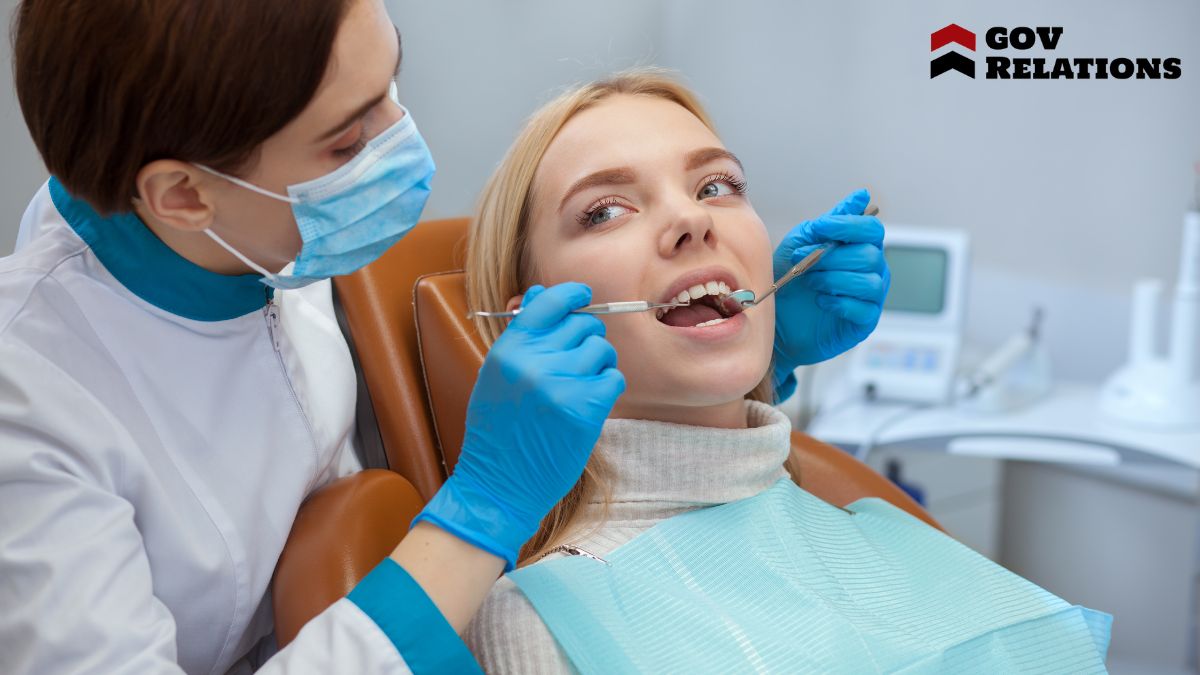
As we look to the future of state-funded dental care programs, it's clear that there's room for growth and innovation. We need to focus on expanding access to care, ensuring that everyone, regardless of income, can maintain good oral health. By integrating dental services with other healthcare programs, we can create a more cohesive system. This approach not only improves efficiency but also enhances the overall patient experience.
We should also consider leveraging technology to bridge gaps in access. Tele-dentistry, for example, can provide remote consultations and follow-up care, especially in underserved areas. This technology can help us reach populations that might otherwise be overlooked due to geographic or economic barriers.
Additionally, increasing partnerships with dental schools and private practices can boost the availability of low-cost or free dental services. By encouraging students and professionals to participate in community clinics, we can address the shortage of dental providers willing to accept state programs.
Conclusion
To sum up, we see that state programs play a crucial role in providing dental care for low-income individuals, guaranteeing them access to necessary oral health services. Despite some limitations and exclusions, these programs help maintain oral health and overall well-being for those in need. By understanding eligibility criteria and available services, we can better advocate for enhancements and future prospects. Let's continue supporting and enhancing these initiatives to guarantee everyone's access to thorough dental care.




