
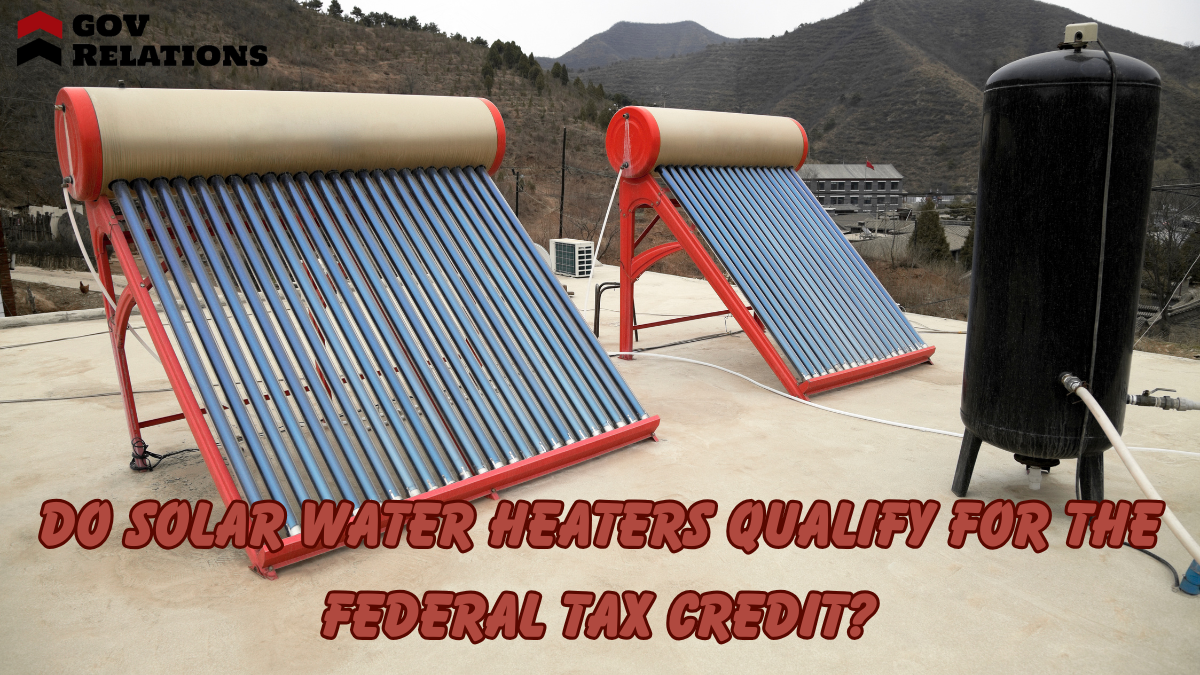
When considering renewable energy options, we often wonder if solar water heaters qualify for the Federal Tax Credit. This incentive is a vital factor for many homeowners, and understanding the eligibility criteriaThe specific requirements and conditions that applicants must meet to qualify for a grant. can make a significant difference in our decision-making process. It's not just about the initial costs; it's about long-term savings and environmental impact. Let's explore how this tax credit works and what it means for those of us looking to invest in sustainable energy solutions.
Key Takeaways
- Solar water heaters qualify for the federal tax credit if they serve a residence owned by the claimant.
- At least 50% of the water heater's energy must be sourced from the sun to qualify.
- The system must be certified by the SRCC or an equivalent entity for eligibility.
- ComplianceAdherence to the rules, regulations, and requirements set forth by the grantor, ensuring proper use ... with local building codes and regulations is necessary for the credit.
- The tax credit applies to solar water heaters installed in both primary and secondary homes.
Understanding the Federal Tax Credit for Renewable Energy
When it comes to promoting sustainable energy solutions, understanding the federal tax credit for renewable energy is vital. This credit helps us reduce the cost of adopting green technologies, making them more accessible. By claiming this credit, we effectively lower our tax liability, which can greatly offset the initial investment in renewable energy systems.
The credit applies to various technologies, including solar, wind, and geothermal systems. It's designed to encourage us to shift from traditional energy sources to more sustainable options.
As we explore options like solar water heaters, knowing how the tax credit works is important. It's vital to keep track of developments in federal policy as these can affect the credit's availability and percentage.
Let's empower ourselves with this knowledge for a greener future.
Eligibility Criteria for Solar Water Heaters

Having grasped the benefits of the federal tax credit for renewable energy, let's determine we qualify for it by examining the eligibility criteria for solar water heaters.
First, our solar water heater must serve a residence we own, which can be a primary or secondary home. It's essential that at least half of the energy generated by our system comes from the sun. This guarantees it's considered a solar water heater under federal guidelines.
Additionally, our system needs certification by the Solar Rating and Certification Corporation (SRCC) or an equivalent entity.
Don't forget that the water heater should meet local building codes and regulations to be eligible.
How the Federal Tax Credit Works
Understanding how the federal tax credit works is vital to maximizing its benefits for our solar water heater investment. This credit is a percentage of the cost of our solar water heating system, which can be deducted directly from the federal taxes we owe.
It's important to recognize that this credit applies to the total installed cost, including labor and materials, not just the equipment.
We should remember that this is a non-refundable credit, meaning it can reduce what we owe to zero, but we won't receive any excess as a refund.
If our credit exceeds our tax liability, we may carry it forward to the next tax year.
Documentation Required for Claiming the Credit
Let's explore the documents we'll need to claim the federal tax credit for our solar water heaters.
First, we'll gather proof of purchase to confirm our investment.
We'll also need to guarantee we have the installation date verificationThe process of confirming the accuracy and authenticity of project activities, data, and reports. and a manufacturer certification statement to comply with the requirements.
Proof of Purchase
When claiming the federal tax credit for a solar water heater, proof of purchase is vital.
Let's make sure we've got the right documents ready. First, we'll need a detailed receipt or invoice showing the date of purchase, the total cost, and a clear description of the solar water heater. This document should include the name and address of both the buyer and the seller.
It's also important that the product meets the federal requirements for energy efficiencyRequirements for projects that promote energy conservation and efficiency., so look for any certification or specification details on the receipt. Keeping a copy of the manufacturer's certification statement is also wise.
Installation Date Verification
Verifying the installation date is vital to successfully claim the federal tax credit for a solar water heater.
We need to guarantee our documentation clearly shows when the system was installed. Typically, the installation date can be found on the contract or invoice provided by the installer. It's imperative that this date falls within the tax year we're filing for.
If there's any inconsistency, let's contact the installer for clarification or additional documentation.
We should keep copies of all related documents, as they may be requested by the IRS. By having this information readily available, we can streamline the process and avoid potential delays.
Let's make certain everything is in order before filing so we can confidently claim our credit.
Manufacturer Certification Statement
To guarantee we can successfully claim the federal tax credit, we need to obtain a Manufacturer Certification Statement for our solar water heater. This document serves as proof that the solar water heater complies with IRS requirements for tax credits.
The manufacturer provides this statement, confirming that their product meets the necessary energy efficiency standards. We should keep this certification in our records as it may be required when filing for the credit.
It's essential to double-check that our solar water heater model is listed on the Manufacturer Certification Statement. This confirms we're eligible for the tax credit, avoiding any misunderstandings or issues with the IRS.
Potential Financial Benefits for Homeowners

Many homeowners can considerably reduce their energy bills by investing in solar water heaters, and there's an added financial incentive that makes this decision even more appealing: the federal tax credit.
By installing a solar water heater, we can claim a tax credit that covers a significant portion of the installation cost. This means that not only do we save on our monthly energy expenses, but we also receive a return during tax season. It's like getting paid to save money!
The credit currently covers a percentage of the system's cost, offering substantial savings. Additionally, this investment increases our home's value, making it more attractive to future buyers.
Let's take advantage of these financial benefits and invest in our future.
Environmental Impact of Solar Water Heaters
Embracing solar water heaters isn't just a smart financial decision; it's also a step toward protecting our environment. When we choose solar, we're tapping into a renewable energy source that considerably reduces our carbon footprint.
Unlike traditional water heating methods that rely on fossil fuels, solar water heaters use the sun's energy, cutting down on greenhouse gas emissions. This means we're contributing to cleaner air and helping combat climate change.
Moreover, solar water heaters reduce our reliance on finite resources. By harnessing the sun, we're minimizing the need for harmful extraction processes.
It's about making a conscious choice to support sustainable practices. Let's embrace this opportunity to make a positive impact on our planet while enjoying the benefits of cleaner, renewable energy.
Comparing Solar Water Heaters to Other Renewable Options
While solar water heaters offer clear environmental benefits, it's important to evaluate how they stack up against other renewable options. As we explore these alternatives, we should consider factors like cost, efficiency, and installation requirements.
Solar water heaters are generally more affordable and easier to install than solar panels but mightn't provide the same energy output.
Let's consider some key points:
- Solar Panels: Generate electricity, not just heat, and can power multiple appliances.
- Wind Turbines: Ideal for areas with consistent wind but require significant space.
- Geothermal Heat Pumps: Offer efficient heating and cooling but need substantial upfront investment.
- Biomass Boilers: Use organic materials for energy, yet may involve higher emissions compared to solar.
Steps to Install a Solar Water Heater and Maximize Benefits

Installing a solar water heater can seem intimidating at first, but by breaking down the process into manageable steps, we can make it straightforward and rewarding.
First, let's assess our hot water needs and the best location for solar collectors—usually a roof with good sun exposure.
Next, we should choose the right system type, like active or passive, based on climate and budgetA detailed financial plan outlining the projected costs of the project, including personnel, equipme....
Once selected, obtaining the necessary permits is essential. Hiring a qualified installer guarantees proper setup and safety compliance.
After installation, regular maintenance, like checking for leaks and cleaning collectors, maximizes efficiency.
Finally, keep receipts and documentation handy to claim the federal tax credit, enhancing our investment's financial benefits.
Following these steps, we'll enjoy sustainable, cost-effective hot water.
Conclusion
In summary, let's embrace the opportunity to save money and help the environment by investing in solar water heaters. By meeting the federal tax credit's eligibility criteria, we can greatly reduce our installation costs while contributing to a sustainable future. Don't forget to gather the necessary documentation and verify your system is certified. Together, we can enjoy the financial and environmental benefits of renewable energy and make a positive impact on our planet.




