When we think about Medicare, dental treatments often don't come to mind, leaving many of us wondering about the extent of coverage it actually provides. It's important to understand that while routine dental care like cleanings and fillings typically aren't covered, there are specific circumstances where Medicare steps in, especially when dental issues intersect with broader medical needs. But how do we navigate these exceptions and make informed decisions about our dental health without breaking the bank? By exploring this further, we can uncover practical strategies to manage potential gaps in coverage and guarantee we're prepared.
Key Takeaways
- Original Medicare generally does not cover routine dental care, such as cleanings, fillings, or extractions.
- Medicare excludes coverage for dentures, dental plates, and cosmetic dental procedures.
- Limited dental coverage may apply if it's related to medically necessary procedures or serious health issues.
- Medicare Advantage Plans often include broader dental coverage than Original Medicare.
- Supplemental dental insurance can help cover routine and more extensive dental procedures not covered by Medicare.
Understanding Medicare Coverage
Exploring Medicare coverage can feel overwhelming, but understanding its basics is essential for making informed decisions about your healthcare. As we navigate through the complexities, let's break down what Medicare typically covers.
Medicare is a federal health insurance program primarily for people aged 65 and older, though it also serves younger individuals with disabilities or certain illnesses. It's divided into different parts, each covering specific services.
Medicare Part A, often referred to as hospital insurance, covers inpatient hospital stays, skilled nursing facility care, hospice, and some home health care. Part B, on the other hand, is medical insurance that helps cover outpatient care, doctor visits, and preventive services. Together, Parts A and B are known as Original Medicare.
We also have Medicare Part C, or Medicare Advantage, which is an alternative to Original Medicare offered by private companies. These plans often include additional benefits. Finally, Part D covers prescription drugs. While we're focusing on understanding Medicare's general structure, knowing these basics helps us identify which parts might address our specific healthcare needs. By understanding Medicare's framework, we can better manage our expectations and plan for our healthcare journey.
Dental Services Excluded
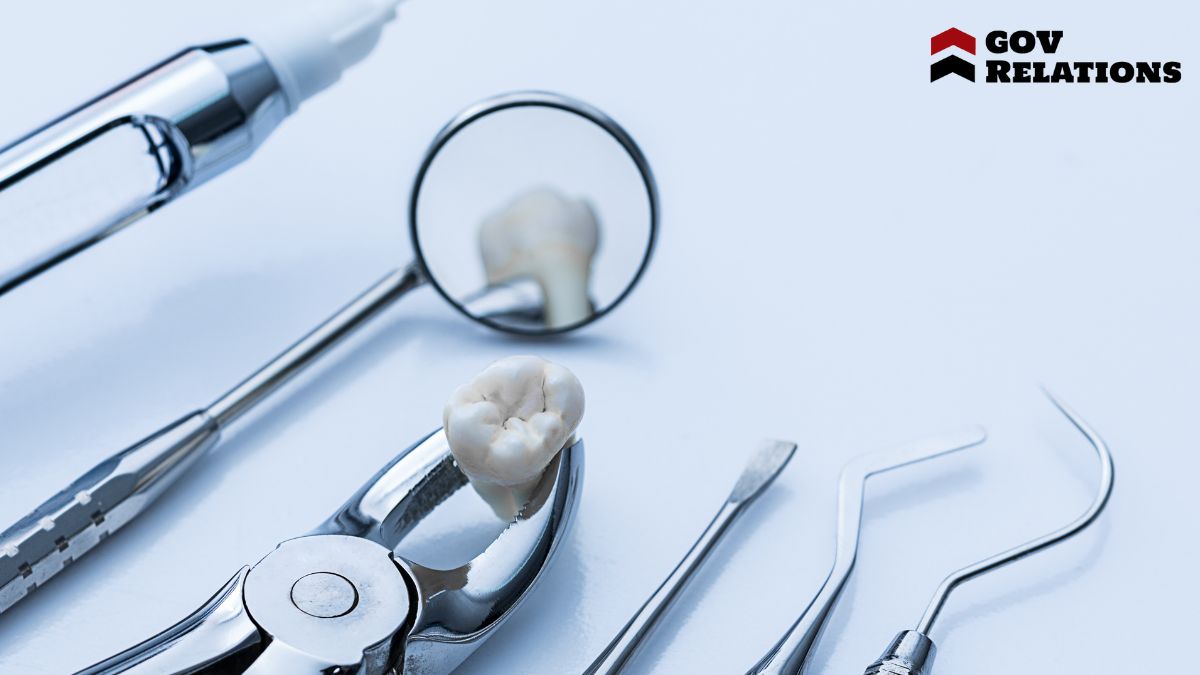
When it comes to dental services, many of us might be surprised to learn that Medicare doesn't cover most routine dental care, such as cleanings, fillings, and extractions. These services, often considered essential for maintaining oral health, aren't included in Original Medicare (Part A and Part B). This means if we need a routine check-up or cavity filled, we'll typically need to pay out of pocket or seek alternative coverage.
Medicare also excludes coverage for dentures and dental plates, which can be vital for those of us who've lost teeth and need replacements to eat and speak comfortably. Moreover, any cosmetic dental procedures, like teeth whitening or veneers, aren't covered. These exclusions can greatly impact our dental health, especially as we age and require more extensive care.
It's important for us to understand these limitations so we can plan accordingly. We might consider looking into supplemental dental insurance plans or Medicare Advantage plans, which sometimes offer broader dental coverage. Being informed about these exclusions allows us to make better decisions about how to manage our dental health and finances, ensuring we're not caught off guard by unexpected expenses.
Situations With Limited Coverage
In light of Medicare's general exclusions, there are specific situations where limited dental coverage is available. For example, if we're hospitalized for a medical condition and a dental exam is necessary before a procedure, Medicare Part A might cover it. This coverage is primarily because the dental service directly relates to a medical procedure we're undergoing, not because it's a routine dental checkup.
Another instance arises when we need dental care related to jaw surgery or other serious health issues, like reconstructive surgery following an accident. Medicare steps in when dental work is essential to the larger medical treatment. However, once the medical condition is treated, follow-up dental care mightn't be covered.
Additionally, certain oral examinations before a kidney transplant or heart valve replacement can be covered under Medicare Part B. This is because these examinations are vital for ensuring that the mouth is free from infection, which can complicate these surgeries.
While these situations offer some hope for coverage, they're exceptions rather than the norm. Understanding when Medicare's limited dental coverage applies helps us navigate our healthcare needs more effectively and prepare for potential out-of-pocket costs.
Medicare Advantage Plans
As we explore Medicare Advantage Plans, it's essential to understand how these plans can offer more than traditional Medicare coverage. Unlike Original Medicare, which typically doesn't cover routine dental care, Medicare Advantage Plans often include additional benefits. These plans, also known as Medicare Part C, are offered by private insurance companies approved by Medicare. They bundle together Part A (hospital insurance) and Part B (medical insurance), and may include Part D (prescription drug coverage) as well.
Medicare Advantage Plans are designed to provide broader healthcare coverage, which can be particularly beneficial when considering our dental care needs. Many of these plans offer benefits that help cover routine dental procedures, such as cleanings, exams, and even some more extensive treatments. Here are some things to keep in mind when considering a Medicare Advantage Plan for dental coverage:
- Variety of Coverage Options: Plans vary by location, so it's crucial to research what's available in your area.
- Additional Premiums: These plans might've additional premiums beyond the standard Medicare Part B premium.
- Network Restrictions: Some plans require using specific dental providers within a network.
Understanding these aspects will help us make informed decisions about our dental care coverage.
Importance of Oral Health
Expanding our comprehension of Medicare Advantage Plans showcases a broader perspective of how dental coverage fits into our overall health plan. Oral health is vital, not just for maintaining a bright smile, but because it significantly influences our overall well-being. We often disregard how interconnected our mouth is with the rest of our body.
Poor oral health can lead to serious health issues like heart disease, diabetes complications, and respiratory infections. Acknowledging the importance of dental care thus becomes crucial.
When we prioritize oral health, we're taking proactive steps to prevent issues that might escalate into more severe medical conditions. Regular check-ups and cleanings can help detect early signs of problems, saving us from pain and costly treatments later on.
Plus, having good oral hygiene habits boosts our confidence and social interactions, which contributes to our mental and emotional well-being.
We need to contemplate that while traditional Medicare doesn't cover most dental care, understanding the role of oral health empowers us to explore options that do. By doing so, we guarantee our overall health plan is thorough, addressing all aspects of our well-being, including our teeth and gums.
Exploring Alternative Options
Let's consider affordable dental care solutions that can ease our financial burden.
One option is dental discount plans, which offer reduced rates on various treatments. By exploring these plans, we can find practical ways to manage our dental expenses.
Affordable Dental Care Solutions
When it comes to finding affordable dental care solutions, exploring alternative options can make a significant difference in managing costs. We all know that dental expenses can add up quickly, and while Medicare doesn't typically cover routine dental treatments, there are ways we can minimize out-of-pocket costs. Let's consider a few options that can help us access the dental care we need without breaking the bank.
- Community Health Clinics: These clinics often provide dental services on a sliding fee scale based on income. It's a great way to get the necessary care at a price that fits our budgetA detailed financial plan outlining the projected costs of the project, including personnel, equipme....
- Dental Schools: Many dental schools offer reduced-cost services provided by students under professional supervision. This can be an excellent opportunity to receive inclusive care while helping future dentists gain valuable experience.
- Nonprofit OrganizationsEntities that use surplus revenues to achieve their goals rather than distributing them as profit or...: Various organizations offer free or low-cost dental care to those in need. It's worth researching local nonprofits that may provide assistance.
Dental Discount Plans Explained
Among the various alternatives to traditional dental insurance, dental discount plans stand out as a practical way to decrease our dental care expenses. Unlike insurance, these plans don't involve paying monthly premiums or meeting deductibles. Instead, we pay an annual membership fee, granting us access to a network of dentists who offer discounted rates on various procedures. The savings can range from 10% to 60%, depending on the treatment and the provider.
One of the major benefits is that dental discount plans often cover a wide array of services, including routine cleanings, crowns, braces, and even cosmetic procedures. This flexibility allows us to choose the care we need without worrying about exclusions common in insurance policies.
Plus, there's no waiting period, so we can start using the discounts immediately after joining.
It's important to note that while these plans provide significant savings, they're not insurance and won't cover the entire cost of dental care. We need to review the specific terms of each plan and consider that our preferred dentists participate in the network. By doing so, we can maximize our savings and keep our dental health on track.
Supplemental Dental Insurance
Let's explore how supplemental dental insurance can enhance our Medicare coverage. These plans offer benefits that help us manage out-of-pocket costs for dental care.
We'll also consider tips for choosing the right provider to guarantee we get the most from our supplemental plan.
Benefits of Supplemental Plans
Supplemental dental insurance plans can be an important addition to traditional Medicare coverage, especially since original Medicare doesn't cover most dental expenses. By opting for a supplemental plan, we can better manage our dental health and avoid unexpected out-of-pocket costs. These plans often cover a wide range of services that Medicare does not, helping us maintain our oral health without breaking the bank.
Here's why considering a supplemental plan is beneficial:
- Comprehensive Coverage: Many supplemental plans offer coverage for routine check-ups, cleanings, and even more costly procedures like root canals or dentures.
- Reduced Financial Burden: With a supplemental plan, we can reduce the financial strain of dental care, as these plans typically cover a significant portion of the costs.
- Preventive Care: Having access to preventive services can help detect issues early, potentially avoiding more extensive and expensive treatments down the line.
Choosing the Right Provider
How do we ensure we're selecting the right provider for supplemental dental insurance? First, let's consider our needs and budget. We should assess what specific dental treatments we anticipate needing, such as cleanings, fillings, or more extensive procedures. Understanding these needs helps us compare plans effectively.
Next, researching various providers is essential. We can start by reading reviews and ratings from current policyholders to gain insights into their experiences. It's also wise to check each provider's reputation with organizations like the Better Business Bureau. This research can highlight any red flags or consistently praised aspects of their service.
Let's not forget to examine the network of dentists associated with each provider. We'll want a plan that includes our preferred dental providers or offers a wide network of reputable dentists.
Additionally, understanding the terms of coverage is crucial. We should clarify what services are covered, the annual maximums, deductibles, and any waiting periods that apply.
Tips for Managing Costs

Managing dental care costs under Medicare can feel overwhelming, but there are practical strategies to help keep expenses in check. First, we need to explore all available options. Original Medicare doesn't typically cover routine dental care, but some Medicare Advantage plans might. It's essential to review what your plan offers and see if dental coverage is included.
Additionally, let's consider dental discount plans or savings programs. These aren't insurance but can offer reduced rates on dental services. Always compare these options with any potential out-of-pocket costs to determine the best route.
Here are a few tips to help manage dental costs effectively:
- Budget Planning: Let's allocate a specific portion of our monthly budget for dental care expenses. This proactive approach helps us prepare for unexpected costs.
- Regular Checkups: By scheduling regular dental checkups, we can prevent minor issues from becoming major, costly ones.
- Ask About Payment Plans: Many dental offices offer payment plans for costly procedures. Don't hesitate to inquire with your provider about spreading payments over time.
Conclusion
To conclude, while Medicare doesn't cover routine dental treatments, it's essential that we all comprehend the limitations and explore our options. By investigating Medicare Advantage plans or supplemental dental insurance, we can better handle our dental health needs and potential out-of-pocket expenses. Let's prioritize our oral health and be proactive in seeking alternative solutions to guarantee we're protected and prepared for any dental care that might arise. Together, we can make informed decisions about our dental coverage.