

Let's explore how nonprofit housing programs support low-income families. These programs offer more than just affordable housing; they provide rental assistance, pathways to homeownership, and educational resources. By collaborating with government agencies and engaging the community, they focus on long-term stability and empowerment. But how exactly do these initiatives overcome challenges and measure success? There's a lot more to uncover about their impact and the future of affordable housing.
Key Takeaways
- Nonprofit housing programs provide affordable housing options prioritizing community well-being over profit for low-income families.
- They offer rental assistance and subsidyFinancial assistance granted by a government to support a specific economic activity or sector, redu... programs to help families afford housing without sacrificing necessities.
- Cooperative housing models enable shared ownership, reduce financial burdens, and promote community collaboration and decision-making.
- Partnerships with local governmentsMunicipal or county governments that provide grants and funding for community projects and services.... and businesses help secure funding and resources for sustainable housing projects.
- Educational programs on financial management and home maintenance empower families to maintain stable housing and gain homeownership skills.
Understanding the Mission of Nonprofit Housing
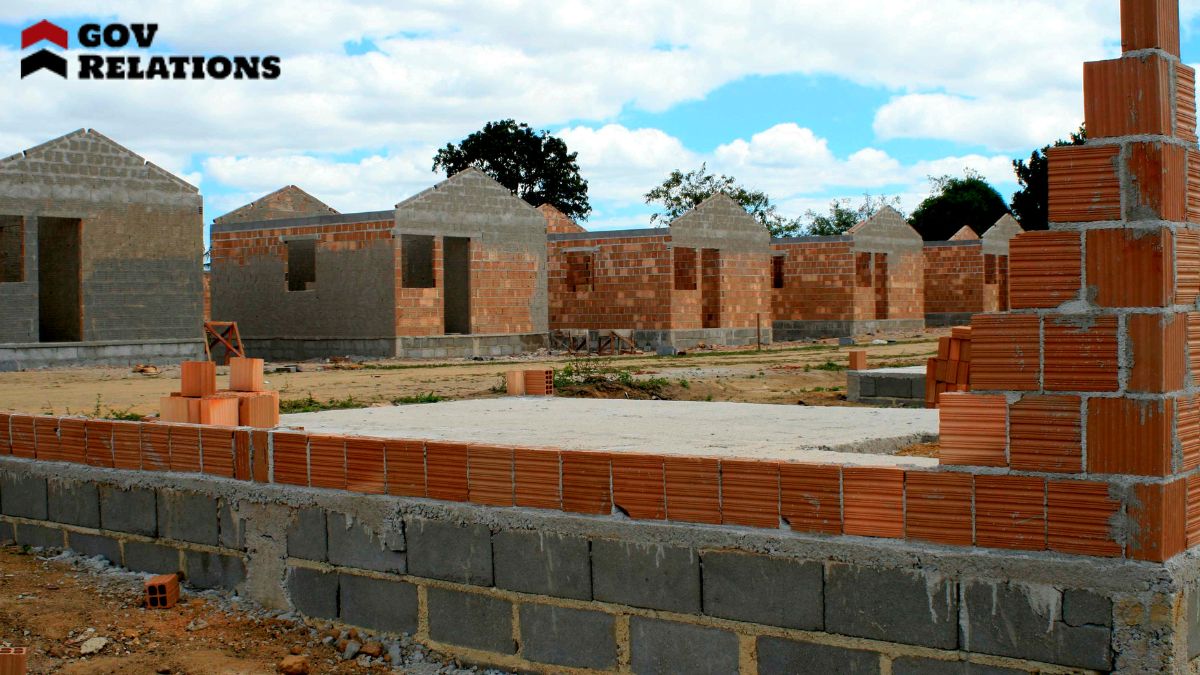
Nonprofit housing programs play an essential role in providing affordable housing options for low-income families, and understanding their mission helps us see their impact more clearly. By focusing on community well-being rather than profit, these organizations aim to create sustainable living environments. Their mission revolves around empowering families by offering safe, affordable housing and fostering community development.
We can see their dedication in action when they collaborate with local governments, businesses, and residents to meet the unique needs of each community. They often offer educational programs to help families manage their finances and maintain their homes.
Nonprofit housing programs endeavor to break the cycle of poverty, giving families a chance to thrive. By understanding their mission, we appreciate the positive change they bring to our communities.
Rental Assistance and Subsidy Programs
While charting the complexities of housing costs, rental assistance, and subsidy programs becomes essential for low-income families. They help bridge the affordability gap, ensuring that families don't have to choose between paying rent and other necessities like food or healthcare.
These programs, often funded by government or nonprofit organizationsEntities that use surplus revenues to achieve their goals rather than distributing them as profit or..., provide financial support directly to landlords, reducing the tenant's burden. We see the benefits in initiatives such as the Housing Choice Voucher Program, which empowers families to find suitable homes in the private market.
Importantly, these efforts aim to prevent homelessness and foster stability. By securing a stable and affordable place to live, families can focus on improving their quality of life, pursuing education, and job opportunities without constant financial stress.
Cooperative Housing Models
Cooperative housing models offer an innovative solution for low-income families working towards community and affordability. These models are unique because we share ownership and responsibilities, creating a supportive environment.
By pooling resources, we can reduce individual financial burdens, making housing more accessible for everyone.
In a cooperative, members typically pay a share or membership fee, granting them rights to live in a unit while jointly owning the property with fellow residents.
This shared ownership encourages collaboration, fostering a strong sense of community. Decisions about the property are made democratically, giving each member a voice in management and operations.
Pathways to Homeownership
Exploring pathways to homeownership, we find numerous strategies that empower low-income families to shift from renting to owning their homes. One effective method is shared equity programs, where nonprofit organizations help families purchase homes by sharing the initial costs. This makes homeownership more affordable and sustainable over time.
Additionally, nonprofit housing programs often provide financial education, ensuring families understand budgeting and mortgage responsibilities.
We also see initiatives like sweat equity, where participants contribute their labor to reduce the purchase price of their homes. By working on construction or renovation, families not only reduce costs but also gain valuable skills.
These pathways offer hope and opportunity, fostering stability and community growth. Together, we can support families in achieving their dreams of homeownership.
Collaboration With Government Agencies
To maximize the impact of nonprofit housing programs, we must embrace collaboration with government agencies.
Working together, we can navigate the complexities of housing policies and secure funding, grants, or subsidies that make affordable housing more accessible for low-income families.
Government agencies often have resources and data that can greatly enhance our programs' efficiency and effectiveness.
Community Involvement and Support
While collaborating with government agencies provides essential resources, tapping into the power of community involvement and support can amplify the success of nonprofit housing programs. We can all play a role in transforming our neighborhoods.
Local volunteers bring unique skills and perspectives, contributing to construction, maintenance, and event organization. Engaging local businesses and organizations fosters partnerships that provide materials, funding, and expertise.
Community members offer invaluable insights into the specific needs and preferences of low-income families, ensuring housing solutions are practical and culturally appropriate.
When we unite as a community, we create a sense of ownership and pride, encouraging ongoing care and improvement. By fostering this collaborative spirit, we strengthen the bonds that make our neighborhoods vibrant and resilient, ultimately enhancing program outcomesThe changes or benefits resulting from the project's activities, often categorized as short-term, in....
Measuring Impact and Success
Understanding how nonprofit housing programs impact low-income families is essential to evaluating their success and guiding future efforts. We need to measure both tangible and intangible outcomes to grasp their true effectiveness. Tangible metrics include the number of families housed, housing stabilityRequirements for projects aimed at providing stable and affordable housing solutions., and improvements in living conditions. These data points offer concrete evidence of success.
However, we shouldn’t overlook intangible benefits like improved mental health, increased community engagement, and educational advancements for children. Surveys, interviews, and community feedback can provide valuable insights into these areas.
Tracking both types of outcomes helps us fine-tune strategies and guarantee programs are meeting families' needs. Let’s use this information to better advocate for resources, refine our approaches, and ultimately make a deeper impact.
Overcoming Challenges and Looking Ahead

As we explore ways to enhance nonprofit housing programs, we must address funding limitations and navigate regulatory hurdles that often stand in our path.
By staying adaptable, we can turn these challenges into opportunities for growth and innovation.
Let's look ahead with optimism, embracing future possibilities that can better serve low-income families.
Addressing Funding Limitations
Overcoming the funding limitations for nonprofit housing programs is a crucial step toward ensuring sustainable support for low-income families. We need to explore diverse funding sources and create innovative financial strategies.
By leveraging partnerships with local businesses, philanthropic organizations, and government entities, we can diversify our funding streams. Establishing strong relationships with these partners opens doors to grants, donations, and affordable loans.
Additionally, we should prioritize transparency and accountability in our financial management. This builds trust with our supporters, encouraging continued or increased funding.
By showcasing successful outcomes and sharing compelling stories, we can demonstrate the tangible impact of their contributions.
Together, we can address these financial challenges, ensuring that nonprofit housing programs thrive and continue their indispensable work in our communities.
Navigating Regulatory Hurdles
While tackling the issue of regulatory hurdles, we recognize that these challenges can often seem overwhelming for nonprofit housing programs. Regulations, though essential, can complicate our efforts to provide affordable housing.
Maneuvering zoning laws, building codes, and funding requirements demands time and resources. We must remain vigilant, ensuring complianceAdherence to the rules, regulations, and requirements set forth by the grantor, ensuring proper use ... while advocating for reforms that support low-income families.
It's vital to build strong partnerships with policymakers and community stakeholders. By collaborating, we can streamline processes and find innovative solutions to regulatory obstacles.
Sharing best practices with other nonprofits also helps us adapt and thrive. Our commitment to transparency and accountability strengthens trust with both regulators and the communities we serve.
Together, we can overcome these hurdles and continue to make a meaningful impact.
Embracing Future Opportunities
Having tackled regulatory challenges head-on, we now turn our focus to the exciting opportunities that lie ahead for nonprofit housing programs.
Our innovative approaches can redefine how we support low-income families. By leveraging new technologies, we can streamline processes, making housing access more efficient and transparent. Collaborating with tech companies, we can create platforms that match families with available housing more quickly.
Moreover, fostering partnerships with local businesses and governments will help us secure additional funding and resources. This cooperation can lead to the development of sustainable housing projects that benefit entire communities.
As we embrace these future opportunities, we’ll guarantee that our programs remain adaptable and responsive to the needs of families. Together, we’ll pave the way for lasting impact.
Conclusion
In our journey to support low-income families, we’ve seen firsthand how nonprofit housing programs make a real difference. They provide affordable housing, rental assistance, and pathways to homeownership, all while fostering community collaboration. By working alongside government agencies and involving the community, we empower families with the tools they need for financial stabilityRequirements for demonstrating the financial health and stability of the applicant organization.. Let’s continue to overcome challenges together, ensuring everyone has a safe place to call home and a supportive community to thrive in.




