

When it comes to nonprofit resource referral services like 211, we often wonder how they manage to connect individuals in need with essential community resources so seamlessly. These services utilize a centralized phone line or digital platform to link people with local support, but the process is more complex than it seems. With technology and human empathy at the core, let's explore how 211 operates to empower individuals and enhance well-being.
Key Takeaways
- 211 services connect individuals to local resources tailored to community needs through personalized guidance and assessments.
- Trained specialists listen empathetically to callers, ensuring they receive appropriate and accurate resource referrals.
- Technology plays a crucial role by systematically organizing and updating resource information for quick access.
- Continuous collaboration with local agencies helps maintain data accuracy and open communication channels.
- Funding constraints and high demand challenge 211 services, impacting service availability and response times.
Understanding the Mission and Purpose of 211 Services
The heart of 211 services beats with a mission to connect individuals in need with essential community resources. We aim to bridge gaps and foster a supportive network that empowers people to find the help they need.
We're driven by the belief that everyone deserves access to resources that improve their lives and well-being. By dialing 211, people gain a lifeline to services that address various challenges they face.
Our purpose is clear: provide a critical link between community members and the support systems available to them. We guarantee that no one has to navigate their struggles alone.
We endeavor to offer guidance, hope, and a path forward, reinforcing the foundation of community care and collaboration. Together, we make a difference.
The Range of Services Offered by 211
Dialing 211 opens the door to a wide array of services designed to meet diverse community needs.
Whether we're seeking help during a financial crisis, looking for mental health support, or needing assistance with housing, 211 connects us to essential resources. They offer information about food banks, senior servicesCriteria for projects that provide services or support specifically for senior citizens., and healthcare options.
What's more, they assist in situations involving child care and parenting, ensuring families find the support they need.
211 services extend to employment assistance, helping individuals access job training and opportunities.
They also provide connections for those experiencing domestic violence, ensuring safety and support.
This extensive service network is invaluable, especially in emergencies or personal crises.
How 211 Connects People With Local Resources
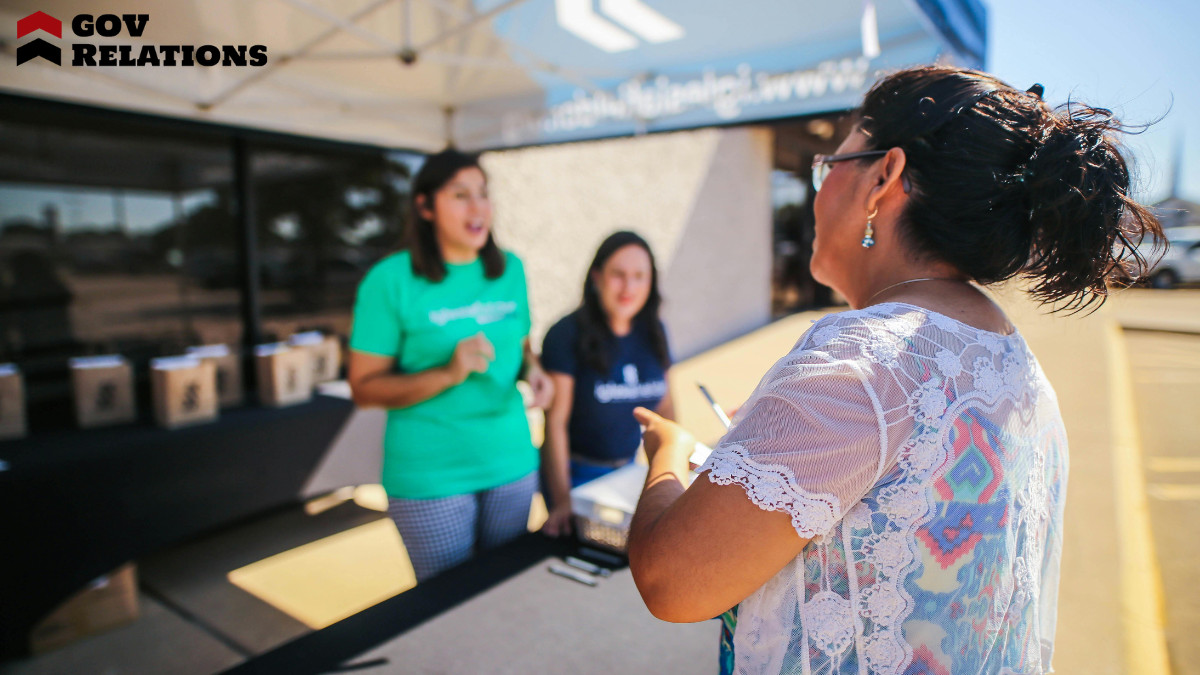
Connecting with 211 means entering a network that effectively links us to local resources tailored to our community's specific needs. We can reach out for help with housing, food, healthcare, or employment, and 211 will guide us to the right services.
These services are deeply rooted in our area, guaranteeing they understand the local challenges we face. By knowing the ins and outs of nearby resources, 211 can offer us personalized guidance and support.
When we contact 211, trained specialists listen to our concerns, assess our situation, and provide specific suggestions. They don't just offer a list; they guarantee we connect with the most appropriate resources.
This personalized touch helps us navigate complex systems, ultimately empowering us to find the assistance we need.
The Role of Technology in 211 Operations
Technology revolutionizes how we interact with 211 services, making access to critical resources faster and more efficient. With digital platforms, we can reach out for help through various channels, such as websites, apps, or text messaging, providing flexibility in how we connect.
These tools simplify finding information by organizing resources systematically, allowing us to search by location, need, or service type.
Moreover, data management systems enhance how 211 services operate. They guarantee that information about available resources is up-to-date and relevant.
This technology helps identify trends and needs within communities, enabling swift responses to emerging issues. Real-time data allows us to track service usage, guaranteeing that 211 services are both effective and responsive to our needs, ultimately improving how communities thrive.
The Important Human Element in 211 Services
As we explore the critical human aspect of 211 services, we can't overlook the role of empathy in our interactions with callers.
We employ active listening techniques to truly understand their needs, which helps us build trust and create meaningful connections.
Empathy in Caller Interactions
Empathy stands as the cornerstone of meaningful interactions in 211 services. When callers reach out, they often face stressful, overwhelming situations. We aim to connect on a human level, offering comfort and understanding during their time of need.
By truly empathizing, we help build trust, ensuring callers feel heard and valued. We understand the importance of seeing the world from the caller's perspective. This approach allows us to respond with compassion and tailor support to each unique situation.
We don’t just provide information; we offer a lifeline, helping individuals navigate their challenges. Empathy transforms our conversations into impactful exchanges, making a real difference in people’s lives.
Together, by prioritizing empathy, we can foster a supportive environment that encourages hope and resilience.
Active Listening Techniques Employed
While empathy lays the foundation for our interactions, active listening is the tool that brings understanding to life in 211 services.
We immerse ourselves in the caller's world, ensuring they feel truly heard and understood. It’s not just about hearing words; it’s about grasping the emotions and needs behind them. We employ techniques that help us connect on a deeper level and respond effectively.
- Reflecting: We repeat back what we hear to confirm understanding.
- Clarifying: We ask questions to clear any ambiguities.
- Summarizing: We condense the conversation to capture the essence.
- Affirming: We acknowledge the caller's feelings and experiences.
- Silencing: We give space for the caller to share without interruption.
Together, these techniques create a supportive environment, reinforcing our commitment to helping those in need.
Building Trust With Callers
Trust is essential when building relationships with our callers in 211 services. We recognize that each call is more than just a request for information; it's often a cry for help or support.
Our approach is grounded in empathy and confidentiality, making certain callers feel safe sharing their personal stories. By actively listening and responding with compassion, we create an atmosphere of understanding and respect.
We also focus on transparency, clearly explaining the steps we'll take and the resources we recommend. This openness helps build confidence in our guidance.
Consistency in follow-ups and reliability in fulfilling promises further strengthen this trust. It's our mission to guarantee every caller knows they're not alone, and that we're here to support them wholeheartedly.
Impact of 211 on Communities and Individuals

Communities across the nation have seen profound benefits from the 211 service, which connects individuals to essential resources with just a simple phone call.
We’re talking about real-life impacts that change lives and foster community well-being. With 211, people find the support they need swiftly and efficiently, whether it's food assistance, housing, or mental health servicesCriteria for projects providing mental health support and services.. This service is a lifeline, providing hope and solutions during tough times.
Consider the emotions involved:
- Relief when a struggling family finds a food pantry.
- Comfort in locating affordable housing options.
- Assurance when mental health support is just a call away.
- Security knowing help is available during natural disasters.
- Empowerment from accessing job training resources.
Together, we witness how 211 strengthens individuals and communities, creating a ripple effect of positive change.
Challenges Faced by 211 and How They Are Addressed
As we explore the challenges faced by 211 services, we recognize that funding and resource limitations often hinder their ability to meet growing community needs.
We also understand that maintaining accurate and up-to-date data is essential for providing reliable referrals.
Funding and Resource Limitations
Although 211 services are an essential lifeline for many seeking assistance, they often grapple with funding and resource limitations. These challenges can hinder their ability to provide timely and effective help. We acknowledge how critical these services are, yet the obstacles they face are overwhelming:
- Insufficient Funding: Limited financial resources can restrict the number of calls handled and services offered.
- High Demand: The rising need for assistance means 211 services are frequently overwhelmed.
- Resource Scarcity: With few resources, it’s hard to meet every caller’s needs.
- Staff Shortages: Underfunded services struggle to maintain enough staff to handle the volume of requests.
- Technology Constraints: Outdated systems can slow down response times and efficiency.
Let’s recognize these hurdles, advocating for increased support and awareness.
Data Accuracy and Updates
Guaranteeing data accuracy and timely updates is a significant challenge for 211 services, impacting their ability to offer reliable assistance. We understand that outdated or incorrect information can lead to frustration for those seeking help.
To address this, 211 services continually verify and update their databases. Our dedicated teams work closely with local agencies and service providers, maintaining open communication to guarantee changes in services or contact information are promptly reflected.
We also use technology to streamline this process. Automated systems can alert us to discrepancies or outdated records, allowing us to act swiftly.
While challenges remain, our commitment to accuracy guarantees we provide the most reliable information possible. By doing so, we help connect individuals to the resources they need efficiently.
Conclusion
In short, we've seen how 211 services play an essential role in connecting individuals with the resources they need. By leveraging technology, we streamline information and guarantee accurate referrals, while our empathetic specialists provide the human touch that builds trust. Together, we empower communities, helping individuals navigate complex systems for better well-being. While challenges persist, our commitment to adapting and improving assures we continue making a positive impact in the lives of those we serve.




