
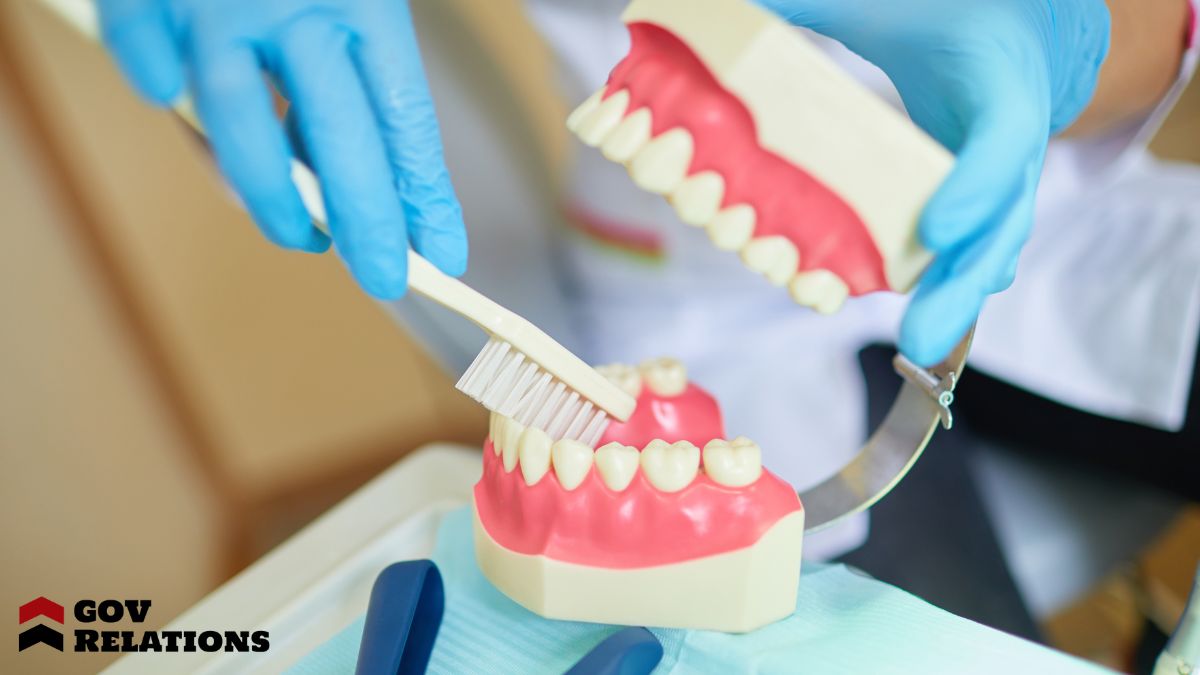
When we're strapped for cash but need dental care, let's consider free dental clinics that provide essential services at little to no cost. Dental schools offer treatments performed by students under supervision, often at reduced rates. Programs like MedicaidA joint federal and state program that helps with medical costs for some people with limited income ... may help if we're eligible, and community centers sometimes have sliding-scale services where fees align with our income. Discount dental plans can ease costs by offering reduced rates. Practicing good oral hygiene helps maintain our dental health, and over-the-counter treatments can tackle minor issues. By staying informed about accessible options, we can navigate our dental needs more affordably.
Key Takeaways
- Visit free dental clinics for essential services like cleanings and exams with minimal costs.
- Opt for dental schools that offer affordable treatments to students under professional supervision.
- Utilize government assistance programs like Medicaid for eligible dental coverage.
- Explore sliding scale services that adjust fees based on income.
- Consider discount dental plans for reduced rates on various dental services.
Explore Free Dental Clinics

When it comes to taking care of our teeth on a tight budgetA detailed financial plan outlining the projected costs of the project, including personnel, equipme..., exploring free dental clinics can be a game changer. Many communities offer clinics that provide essential dental services at no cost or a minimal fee. These clinics often focus on preventive care, such as cleanings and exams, which are vital for maintaining oral health. By taking advantage of these services, we can catch potential issues early and avoid more costly treatments later.
The key is knowing where to look. Local health departments and community centers are great starting points for finding free clinics. They usually have up-to-date information on available resources in our area. Additionally, organizations like the National Association of Free and Charitable Clinics can help us locate options nearby.
It's important to understand that while these clinics may have limited resources, they often boast dedicated professionals committed to helping those in need. We might encounter longer wait times or fewer appointment slots, so patience is crucial. By reaching out and scheduling appointments as soon as possible, we can make sure we receive the care we need. Remember, taking proactive steps now can have a significant impact on our oral health and overall well-being.
Utilize Dental Schools
Let's consider dental schools as a cost-effective option for our dental care needs. These schools offer affordable treatment since procedures are performed by students under professional supervision, ensuring we receive quality care. Plus, they use advanced dental equipment, so we're in good hands without breaking the bank.
Affordable Treatment Options
Exploring dental schools as a treatment option can greatly reduce the cost of dental care. When we consider how costly dental work can be, these schools present an economical alternative. By selecting a dental school, we're tapping into a resource where care is often provided at a fraction of the cost. This is because students who are training to become professionals perform the treatments.
We might wonder if the quality of care is compromised. Rest assured, dental schools have strict supervision and use the latest techniques and equipment. This guarantees we receive competent care while helping students gain valuable hands-on experience. It's a win-win situation.
To find a dental school nearby, we can start by researching online or contacting local universities with dental programs. They usually have specific clinics dedicated to public treatment.
Before scheduling an appointment, it's wise to check the services offered, as some procedures may have limited availability.
Student Supervised Procedures
Taking advantage of student-supervised procedures at dental schools can greatly reduce dental expenses while ensuring quality care. When we visit a dental school for treatment, students in training perform the procedures under the watchful eyes of experienced instructors. These professionals guarantee that every step is correctly executed, maintaining high standards throughout.
Not only do we save money, but we also contribute to the student's education. By providing them with real-world experience, we help them hone their skills, which benefits everyone in the long run. Appointments might take a bit longer than at a private practice, as students often require additional time to perfect their techniques. However, this thoroughness can be reassuring, as it means our care is precise and well-considered.
To find a dental school offering these services, we can search online or contact local schools directly. Many institutions have clinics open to the public at reduced rates. It's essential to plan ahead, as appointment slots can fill up quickly. We should also confirm the specific treatments available, as some schools may only offer basic services.
Quality Dental Equipment
When considering quality dental equipment, dental schools often provide access to some of the most up-to-date technology available in the field. By utilizing their resources, we can receive dental care that might otherwise be out of reach due to high costs. Dental schools invest in state-of-the-art equipment to train their students, making certain that when they practice on us, they're using the best tools possible.
We might worry about receiving care from students, but rest assured, they're supervised by experienced professionals. This oversight guarantees that procedures are done correctly and safely. Plus, the equipment they use is regularly maintained and updated, reflecting current industry standards. This means we're not compromising on the quality of care or the tools used during our treatment.
Consider Government Assistance
If we're trying to fix our teeth on a budget, government aid can be a valuable resource to explore. Programs like Medicaid or the Children's Health Insurance Program (CHIP) often offer dental coverage for eligible individuals and families. It's crucial to understand the specific benefits available in our state since coverage can vary. Some states provide extensive dental care, while others may only cover emergency services. By visiting our state's Medicaid website or contacting a local office, we can get detailed information on what's available.
Additionally, some community health centers receive federal funding to offer dental services at reduced costs. These centers typically operate on a sliding fee scale based on our income, making dental care more affordable. It's worth checking if our area has any such centers by searching online or reaching out to local health departments.
We shouldn't overlook initiatives like the Health Resources and Services Administration (HRSA), which funds programs that increase access to oral healthcare. By tapping into these resources, we can find opportunities for low-cost or no-cost dental treatment. Understanding and utilizing government aid can greatly ease the financial burden of dental care, ensuring our oral health isn't neglected.
Look for Sliding Scale Services
Let's explore sliding scale services as a way to manage dental costs. Many affordable dental clinics offer income-based payment plans and reduced-fee treatment options, making essential care more accessible. By considering these options, we can find a path to healthier teeth without straining our finances.
Affordable Dental Clinics
Exploring affordable dental clinics can be a game-changer for those of us looking to fix our teeth without breaking the bank. These clinics often offer quality dental care at reduced rates, making them a practical option for individuals on a tight budget. Many of these clinics are run by nonprofit organizationsEntities that use surplus revenues to achieve their goals rather than distributing them as profit or... or are part of government-funded programs, making sure that everyone has access to essential dental services.
When searching for affordable dental clinics, we should focus on those offering sliding-scale services. These clinics adjust their fees based on our income, which means we only pay what we can afford. This approach ensures that cost doesn't hinder us from receiving necessary dental care.
It's important to contact these clinics directly and inquire about their payment options and any documentation they might require to determine eligibility.
Moreover, dental schools can be another fantastic resource. They often offer reduced-cost services provided by supervised dental students. We benefit from lower prices while students gain hands-on experience. By exploring these options, we can find a clinic that meets our needs without burdening our finances. Let's take charge of our dental health by seeking out these affordable solutions.
Income-Based Payment Plans
Affordable dental clinics are a fantastic starting point, but understanding income-based payment plans can further ease our financial concerns. These plans, often referred to as sliding scale services, adjust the cost of dental care based on our income levels. This means that the less we earn, the less we pay for services. It's an effective way to guarantee that essential dental care remains accessible, even when our budgets are tight.
To find these payment plans, we should start by reaching out to local community health centers or dental schools. Many of them offer sliding-scale services, allowing us to receive necessary treatments without the stress of unaffordable bills. When contacting them, it's important to ask if they provide income-based payments and what documentation we need to bring, such as pay stubs or tax returns.
Additionally, some private dental practices also offer sliding scale options. It can be helpful to call around and inquire directly with these offices. By being proactive and asking the right questions, we can find a plan that aligns with our financial situation. This approach helps us maintain our oral health without compromising our financial stabilityRequirements for demonstrating the financial health and stability of the applicant organization..
Reduced-Fee Treatment Options
Exploring the world of dental care can sometimes feel overwhelming, but reduced-fee treatment options offer a beacon of hope for many of us. Sliding scale services adjust fees based on our income, making dental care more accessible. These options are invaluable for those of us who need quality treatment without the hefty price tag. Let's investigate where we can find these services.
- Community Health Clinics: Many local health departments and non-profit organizations run clinics that offer dental services on a sliding scale. These clinics provide essential care, often supported by government funding, ensuring we receive the treatment we need without financial strain.
- Dental Schools: Students in dental schools need hands-on experience, and we can benefit from their need to practice. Supervised by experienced professionals, students offer services at a fraction of the cost. This win-win scenario allows us to receive care while supporting future dentists.
- Non-Profit Dental Programs: Organizations like Mission of Mercy or Dentistry From The Heart provide free or reduced-cost dental care events. Checking their schedules can help us find opportunities for affordable treatment in our area.
Use Discount Dental Plans
Discount dental plans can be a game-changer for those of us trying to maintain our oral health without breaking the bank. These plans aren't insurance, but they offer significant discounts on various dental services. With a small annual fee, we gain access to a network of dentists who provide reduced rates for treatments. This can include anything from routine check-ups and cleanings to more extensive procedures like fillings and extractions.
To get started, we need to research and compare different discount dental plans available in our area. Each plan has its own list of participating dentists and services covered, so it's important to choose one that aligns with our needs. Not all dentists accept these plans, so checking the network beforehand guarantees we can access quality care nearby.
Once enrolled, we simply present our membership card at participating dental offices to receive the discounted rates. It's a straightforward process that can save us a substantial amount on dental care. While it doesn't cover everything, it's a valuable tool in our arsenal to manage dental expenses.
Practice Good Oral Hygiene
Maintaining good oral hygiene is one of the most effective ways to keep dental costs down while ensuring our smiles remain healthy and bright. By taking simple yet consistent steps, we can notably reduce the risk of dental issues that could lead to costly treatments. Let's explore some practical habits we can adopt.
- Brush and floss regularly: We should aim to brush our teeth at least twice a day, preferably after meals, using fluoride toothpaste. Don't forget to floss daily to remove food particles and plaque from between the teeth that a toothbrush can't reach. This routine helps prevent cavities and gum disease.
- Use mouthwash: Incorporating an antimicrobial or fluoride mouthwash into our daily routine can help reduce bacteria in the mouth, strengthen our enamel, and freshen our breath. It's a quick step that can make a noteworthy difference in overall oral health.
- Limit sugary and acidic foods: Foods and drinks high in sugar or acid can increase the risk of tooth decay and erosion. By moderating our intake of these items, we protect our teeth and avoid unnecessary dental problems.
Try Over-the-Counter Treatments
When we're looking to manage dental expenses without compromising on care, over-the-counter treatments offer a cost-effective solution. These treatments can address common dental issues like sensitivity, plaque buildup, and minor tooth decay. We can find a variety of options at local drugstores or online, saving us from expensive dental visits.
First, consider toothpaste formulated for specific issues. There are options for sensitivity relief, enamel strengthening, and whitening. These products are often more affordable than professional treatments and can improve our oral health when used consistently.
Mouthwashes that target plaque and tartar can also be beneficial. They freshen our breath while providing an extra layer of protection against bacteria.
For surface stains, over-the-counter whitening strips or gels can brighten our smile. They're generally easy to use and much cheaper than professional whitening. It's important, though, to follow instructions carefully to avoid damaging our teeth or gums.
Seek Help From Charities
For those of us struggling with dental costs, seeking help from charities can be a practical option. Many organizations recognize the importance of oral health and offer assistance to those in need. By reaching out, we can find support that might otherwise seem out of reach and improve our dental health without the burden of high costs.
Here are some steps we can take to find charitable assistance:
- Research Local Organizations: Start by searching for local charities or dental clinics that offer free or reduced-cost services. Many communities have programs specifically designed to help those with limited financial resources.
- Contact National Charities: Organizations like the Dental Lifeline Network provide services across the country. They often have programs tailored for seniors and individuals with disabilities, making it easier to access necessary care.
- Attend Community Health Events: Keep an eye out for events like free dental clinics or health fairs in our area. These events often provide basic dental care services at no cost, and they're a great opportunity to connect with resources we mightn't have been aware of.
Stay Informed About Dental Health

While seeking charitable assistance helps manage dental costs, it's equally important to stay informed about dental health. Staying informed empowers us to make better decisions regarding our oral care, potentially preventing costly dental procedures in the future. Let's explore how we can keep ourselves informed and proactive.
First, we should regularly visit reputable dental websites and resources. Websites like the American Dental Association offer a wealth of information on maintaining oral hygiene and understanding common dental issues. Knowledge about proper brushing techniques, flossing, and the impact of diet on our teeth can make a significant difference.
Second, let's not forget about community resources. Local health departments often offer workshops or informational sessions on dental health. These events provide a chance to learn from professionals without incurring the costs of a dental visit.
Lastly, we can engage with dental health forums or social media groups. By joining these platforms, we can share experiences and gain insights from others facing similar challenges. We might even discover cost-effective dental care solutions or tips.
Conclusion
Let's take charge of our dental health together. By exploring free clinics, dental schools, and government assistance, we can find affordable care. Sliding scale services and discount plans offer more options, while good oral hygiene and over-the-counter treatments help us maintain our teeth. Charities can also provide support when needed. Staying informed about dental health empowers us to make the best choices. Remember, we're in this together, and there are resources out there to help us smile confidently.




