

Maneuvering the landscape of State-Specific Pandemic Unemployment Assistance (PUA) programs can be quite the puzzle. Each state crafted its own set of rules, leading to diverse eligibility criteriaThe specific requirements and conditions that applicants must meet to qualify for a grant. and benefit amounts. As we explore these variations, we’ll uncover how gig workers and freelancers were particularly affected. Let’s plunge into how these differences shaped economic relief efforts and what insights we can glean from the successes and challenges faced by these state programs.
Key Takeaways
- States customized PUA eligibility criteria within federal guidelines to address local economic needs.
- Benefit amounts vary by state, reflecting previous earnings and local cost of living conditions.
- PUA benefits were extended up to 79 weeks through federal legislation.
- States faced challenges with outdated technology and staffing shortages affecting PUA processing.
- Successful state initiatives included technology-driven solutions and collaboration with local organizations.
Understanding State Variations in PUA Eligibility
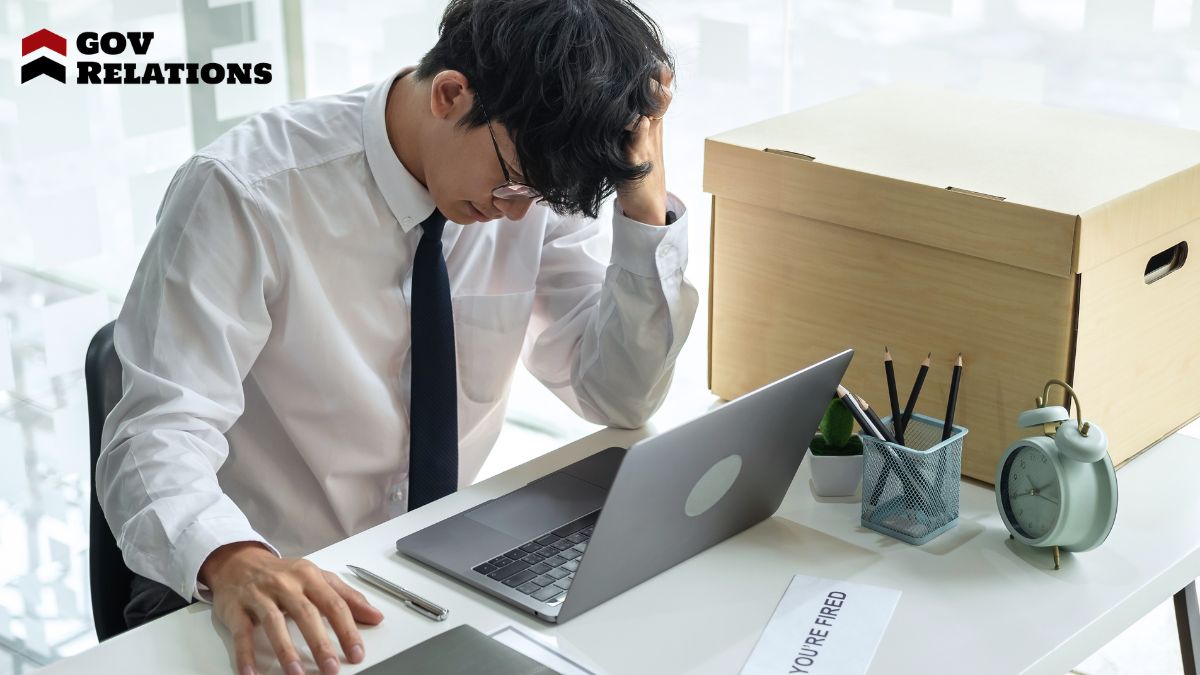
When it comes to understanding state variations in Pandemic Unemployment Assistance (PUA) eligibility, it's vital to recognize that each state has the flexibility to implement its own criteria within federal guidelines.
This means that while the federal government set broad parameters, states could tailor their programs to address local economic needs. We need to take into account how these variations affected who qualified for assistance.
Some states extended eligibility to gig workers and freelancers more generously, while others imposed stricter requirements. These differences were significant in determining how effectively individuals could access support.
Understanding these distinctions helps us appreciate the complexities of distributing unemployment assistance and highlights the importance of staying informed about state-specific policies. Our awareness can empower us to navigate these systems better.
Comparing Benefit Amounts Across States
While exploring the topic of comparing benefit amounts across states, we'll see that the variations in Pandemic Unemployment Assistance (PUA) benefits highlight how diverse state policies can be.
Each state determines the weekly benefit amount based on factors like previous earnings and local economic conditions. Some states offer higher benefits due to a higher cost of living, while others provide less, reflecting their economic environment.
Understanding these differences helps us appreciate why one might receive more or less financial support depending on their location. It’s crucial to recognize that states also adjust benefit amounts to guarantee they meet the minimum federal requirements.
Duration and Extensions of PUA Support
The duration and extensions of Pandemic Unemployment Assistance (PUA) support present a complex yet significant aspect of unemployment benefits. PUA initially offered benefits for up to 39 weeks, providing much-needed relief during uncertain times.
However, as the pandemic persisted, extensions were essential. We saw programs like the Continued Assistance Act and the American Rescue Plan Act step in, extending benefits further to 50 and 79 weeks, respectively. These extensions were critical, ensuring continued support as individuals navigated prolonged joblessness.
It's important to understand that these extensions depended on federal legislation, which required timely action.
As we look back, we can appreciate the lifeline these extensions provided while also recognizing the importance of staying informed about potential future changes in unemployment support.
Challenges Faced by State PUA Programs
Although the Pandemic Unemployment Assistance (PUA) programs aimed to provide critical support, state-level implementation faced significant challenges.
We encountered outdated technology that couldn’t handle the surge of applications, causing delays and frustration. Many states struggled to adapt their systems quickly enough to meet federal requirements, leading to inconsistencies in benefit distribution.
Fraud prevention also became a major concern, as we had to balance speed with security, ensuring only eligible individuals received aid. Communication gaps between state agenciesState-level government departments that offer funding for local projects, programs, and initiatives ... and applicants resulted in confusion and misinformation.
Additionally, staffing shortages compounded these issues, making it difficult to address inquiries and process claims efficiently. Understanding these challenges helps us recognize the complexities of executing such a widespread and unprecedented unemployment support initiative.
Success Stories and Lessons Learned From State PUA Initiatives

Amidst the challenges faced, we also witnessed remarkable success stories from state Pandemic Unemployment Assistance (PUA) initiatives that provide valuable lessons.
Some states implemented technology-driven solutions that streamlined application processes, reducing wait times and increasing accessibility for claimants. By adopting user-friendly online platforms, we empowered individuals to manage their claims efficiently without unnecessary bureaucracy.
Moreover, states that prioritized clear communication with their residents saw a significant decrease in confusion and errors. Regular updates and transparent guidelines helped claimants navigate the system with ease.
We learned that collaboration between state agencies and local organizations was essential in reaching underserved communities. These initiatives not only offered immediate financial relief but also fostered trust and confidence in state systems, paving the way for future improvements.
Frequently Asked Questions
How Do I Apply for PUA Benefits in My State?
We can apply for PUA benefits by visiting our state's unemployment website. We'll find detailed instructions and necessary forms there. Let's guarantee we have all the required documents ready for a smooth application process. Good luck!
What Documents Are Required to Prove Eligibility for PUA?
We need to gather documents like our recent tax returns, proof of income, and employment records. Don’t forget your identification and any correspondence showing job loss due to COVID-19. Check your state’s website for specific requirements.
Can Self-Employed Individuals Qualify for PUA?
Yes, we can qualify for PUA if we're self-employed. We need to provide proof of our income and demonstrate that the pandemic affected our ability to work. Let's guarantee we have the required documents ready for submission.
How Long Does It Take to Receive PUA Payments After Approval?
Once approved, we generally receive PUA payments within two to three weeks. Let's guarantee all our paperwork is complete and accurate to avoid any delays. If issues arise, contacting the relevant department can help expedite the process.
Are There Any Tax Implications for Receiving PUA Benefits?
When we receive PUA benefits, the IRS considers them taxable income. We should plan to report them on our tax returns. It's wise to set aside funds for potential tax liabilities to avoid surprises later.
Conclusion
In traversing the complexities of state-specific Pandemic Unemployment Assistance programs, we've seen how essential it is to grasp each state's unique criteria and benefits. By comparing eligibility variations, benefit amounts, and program durations, we've highlighted both the challenges and successes states faced. As we reflect on these lessons, let's remember the importance of staying informed and adaptable in the face of economic uncertainty, ensuring we're better prepared for future challenges.




