We have a range of affordable community supportDemonstration of local community support for the project, often through letters of support or commun... options for seniors to guarantee they live comfortably and with dignity. Programs like MedicaidA joint federal and state program that helps with medical costs for some people with limited income ... and Medicare Savings provide crucial financial assistance. Seniors can tap into resources like the Aging and Disability Resource Centers (ADRCs) and Area Agencies on Aging (AAA) for long-term care services. Organizations such as AARP, the American Cancer Foundation, and 2-1-1 Texas offer valuable support and connections to essential resources. Housing assistance and home modification programs also help seniors age in place. For a thorough guide on these support options, let's explore further.
Key Takeaways
- Contact 2-1-1 Texas for local resources, social services, and community support options for seniors.
- Area Agencies on Aging (AAA) provide elder care services and support for individuals aged 60 and older.
- Medicaid for the Elderly and People with Disabilities (MEPD) offers health coverage and long-term care for uninsured seniors.
- The Medicare Savings Program assists with Medicare premiums, co-pays, and deductibles for low-income seniors.
- Aging and Disability Resource Centers (ADRCs) help seniors navigate long-term care programs and services.
Long-Term Care Services
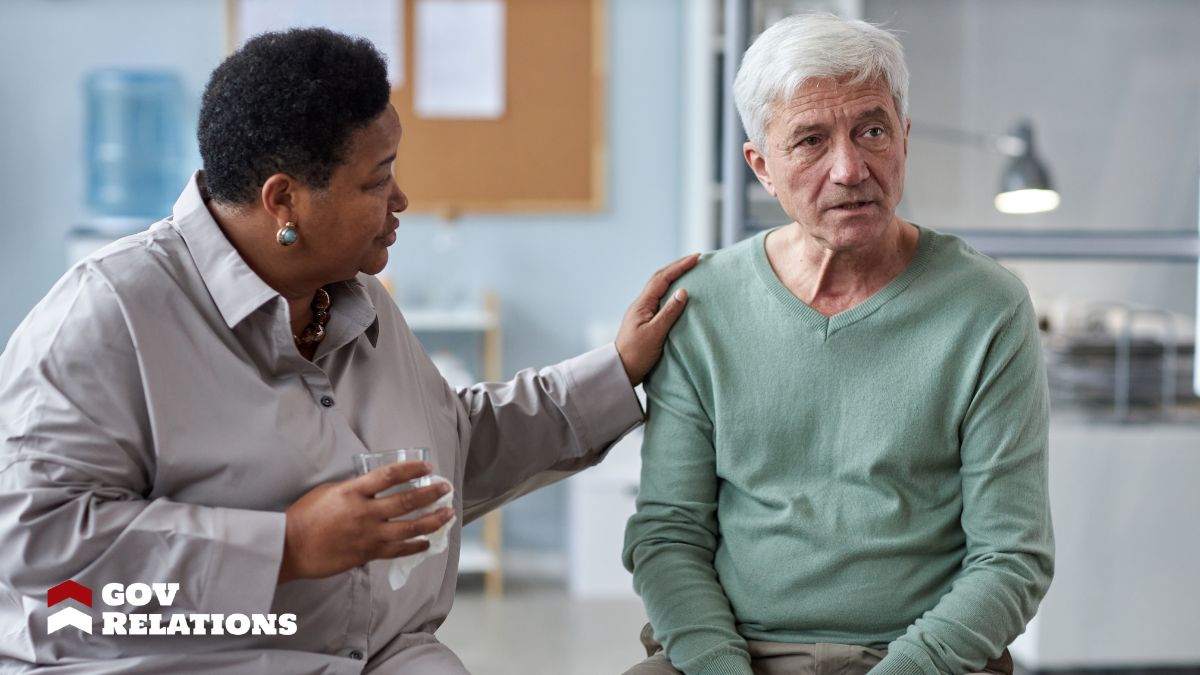
Finding long-term care services for seniors can feel overwhelming, but several resources in Texas make it easier. We can start by calling 2-1-1, a valuable resource that connects us with local long-term care services and elder care options tailored to our needs.
Another great support system is the Aging and Disability Resource Centers (ADRCs), where we can get assistance with various long-term care programs.
When it comes to understanding our healthcare options, the Texas Health Information, Counseling and Advocacy Program is key. They help navigate the complexities of Medicare, Medicaid, and other long-term care choices. This guidance guarantees we're making informed decisions about the best care for our loved ones.
Additionally, the Area Agencies on Aging (AAA) are dedicated to individuals aged 60 and older, offering a range of elder care services. Through AAA, we can find support not just for seniors but also for family members and caregivers who play a critical role in long-term care. These agencies provide various services and resources that make managing elder care more manageable. In Texas, these supportive networks ensure our seniors receive the care and attention they deserve.
Assistance for Uninsured Seniors
While exploring long-term care services, we might encounter seniors who lack health insurance coverage. It's important to know that there are still options available for them. One such option is Medicaid for the Elderly and People with Disabilities (MEPD). This program offers essential health coverage to uninsured seniors, making sure they can access necessary services.
Medicaid stands out because it covers a wide range of long-term care services, including those specifically designed for seniors with disabilities. By applying for Medicaid, seniors without health insurance can gain access to the health services they need.
The eligibility criteriaThe specific requirements and conditions that applicants must meet to qualify for a grant. for Medicaid include income and asset limits, which are designed to guarantee that the assistance reaches those who need it most.
Applying for Medicaid is straightforward, and seniors can complete the process online. This ease of access means that uninsured seniors won't have to navigate a complex system to get the help they need.
Medicare Financial Support
How can seniors manage the often overwhelming costs associated with Medicare? One valuable resource is the Medicare Savings Program, which offers financial support to help with premiums, co-pays, and deductibles. This program is particularly beneficial for low-income individuals, including People with Disabilities, by alleviating some or all of the Medicare expenses.
To get started, seniors need to understand the eligibility criteria, which are based on income and resource limits set by the federal government. Once qualified, the program can considerably ease the financial burden associated with healthcare costs.
Here are three key steps to take advantage of the Medicare Savings Program:
- Check Eligibility: Visit the official Medicare website or contact a local Medicaid office to understand the specific income and resource limits.
- Apply Online or In-Person: Seniors can apply for this program online or through their local Medicaid office, making the process accessible to everyone.
- Understand Coverage: Once approved, the program can cover various Medicare expenses, ensuring that seniors receive the essential services for people in need.
In states like Texas, the program of the Texas Medicaid office can help guide seniors through the application process. Taking these steps can provide substantial financial relief and make healthcare more accessible.
Senior Services Organizations
When it comes to finding support, several key organizations offer essential services for seniors.
Groups like 2-1-1 Texas, AARP, and the American Cancer Foundation provide valuable resources and advocacy.
Let's explore these organizations and how we can access their contact information.
Key Supportive Organizations
Exploring the terrain of senior servicesCriteria for projects that provide services or support specifically for senior citizens. can be overwhelming, but several key organizations are dedicated to providing essential support for older adults. 2-1-1 Texas connects seniors with community resources and offers referrals to social services, guaranteeing they get the help they need. Understanding the options available can help us make informed decisions for ourselves or our loved ones.
Several notable organizations stand out in offering robust support:
- AARP: This well-known organization provides advocacy and support for older people, focusing on issues such as healthcare, retirement, and caregiving. Their counseling and advocacy services are invaluable in navigating the intricacies of aging.
- American Cancer Foundation: For seniors dealing with cancer, this foundation offers essential resources and assistance. They ensure that older adults have access to the support they need to manage their health challenges effectively.
- American Foundation for the Blind: This group provides services and support for seniors with visual impairments or blindness. Their efforts help enhance the quality of life for those affected and foster greater independence.
Essential Services Provided
Exploring the variety of services available for seniors can feel overwhelming, but necessary support from senior services organizations ensures that older adults receive the care and resources they need. Organizations like AARP, the American Cancer Foundation, and the Arthritis Foundation offer a range of assistance tailored to the needs of seniors. They provide support with health issues, caregiving, and advocacy, guaranteeing that seniors live comfortably and with dignity.
For example, programs like 2-1-1 Texas and BenefitsCheckUp® from the National Council on Aging play an important role in connecting seniors to valuable community resources. These programs help older adults navigate local services and find the assistance they need, whether it's healthcare, financial aid, or social support.
Additionally, platforms like AssistedLiving.org and Caregiving.com offer invaluable guidance on assisted living options and caregiving support. These resources not only inform seniors but also assist their families in making well-informed decisions about long-term care.
Furthermore, the Centers for Medicare & Medicaid Services provide detailed information on healthcare services and coverage, helping seniors understand their options and make the best choices for their health. By utilizing these resources, we guarantee our loved ones receive the necessary services they deserve.
Contact Information Access
Finding the right contact information for senior services organizations is essential to accessing the help our loved ones need. Knowing where to turn can make a world of difference in securing the support and resources necessary for their well-being. Here are some key organizations to reach out to:
- 2-1-1 Texas: This hotline connects you to a variety of community resources and services available to seniors. Simply dial 2-1-1 to get started.
- Area Agencies on Aging (AAA): These agencies provide services specifically for individuals aged 60 and older. For tailored assistance, contact your local AAA office.
- AARP: This organization offers advocacy, programs, and resources focused on improving the quality of life for seniors. Visit their website or call their national helpline for more details.
Additionally, for those dealing with specific health concerns, the American Cancer Foundation offers support and resources tailored to seniors facing cancer.
For those seeking information on assisted living, AssistedLiving.org is an excellent resource for care options.
Assisted Living Resources

When it comes to finding the right assisted living resources for our loved ones, there are several priceless tools and websites at our disposal. AssistedLiving.org is a fantastic starting point, offering extensive information about various assisted living facilities for seniors. It helps us compare options and understand what each facility provides.
Another vital resource is BenefitsCheckUp®️, provided by the National Council on Aging. This tool helps seniors and their families identify programs that can help cover the costs of care, making assisted living more cost-effective.
For those of us who are family caregivers, Caregiving.com is an excellent site for support and guidance. It offers advice, community forums, and resources to help us navigate the challenges of caring for our senior loved ones.
Caring.com is another valuable resource, providing detailed reviews and information on both assisted-living facilities and in-home care services. It helps us make informed decisions based on the experiences of others.
Lastly, the Centers for Medicare & Medicaid Services (CMS) offer essential information on regulations and quality ratings for assisted living facilities. This guarantees that we can choose facilities that meet high standards of care for our loved ones.
COVID-19 Senior Information
Let's talk about how seniors can stay informed and safe during the COVID-19 pandemic.
We can find up-to-date vaccination information and safety protocols through reliable sources like AARP, the CDC, and Medicare.gov.
These resources also help us access essential health services and stay aware of the latest guidelines.
COVID-19 Vaccination Information
Browsing COVID-19 vaccination information can be overwhelming, but numerous organizations are dedicated to helping seniors stay informed and protected. Staying updated on the latest vaccine guidelines and availability is essential for older adults, and thankfully, several trusted sources are here to help.
Organizations like AARP, the CDC, and the National Council on Aging offer extensive resources tailored specifically for seniors. Here's a quick guide to finding the information you need:
- AARP: They provide in-depth resources on vaccine eligibility, safety, and distribution for seniors, making it easier to navigate through the vaccination process.
- CDC: The CDC offers up-to-date information on vaccine availability and guidelines for older adults, ensuring that seniors get the most current data.
- National Council on Aging: This organization assists seniors in finding vaccine appointments and understanding the steps involved in getting vaccinated.
Additionally, Medicare.gov and the U.S. Department of Veterans Affairs provide guidance and support for seniors regarding COVID-19 vaccinations. These resources are invaluable in ensuring that seniors receive accurate and timely information, helping them make informed decisions about their health and well-being. By leveraging these resources, we can stay protected and support our senior community through the vaccination process.
Safety Protocols for Seniors
Moving through the myriad of COVID-19 safety protocols can be overwhelming, but it's essential for seniors to stay informed and protected. Following CDC guidelines is important—wear masks, practice social distancing, and get vaccinated to reduce the risk of infection. It's equally vital to wash hands frequently and avoid large gatherings.
To help reduce feelings of isolation, we should encourage seniors to stay connected with loved ones through virtual means like video calls or social media. This connection can boost mental health and provide emotional support. Additionally, let's provide information on local resources for grocery delivery and medication assistance, which can minimize unnecessary trips outside.
Telehealth services are another great way for seniors to stay on top of their health without leaving home. If COVID-19 symptoms appear, seniors should seek medical help promptly.
Mental health is just as important as physical health. Offering guidance on mental health resources and coping strategies can help seniors manage pandemic-related stress and anxiety. By following these safety protocols and utilizing available resources, seniors can navigate these challenging times more effectively and safely.
Accessing Health Services
While understanding safety protocols is essential, guaranteeing seniors have access to health services is equally significant. Navigating the plethora of resources available can be overwhelming, but several organizations offer tailored information to help seniors stay healthy during the COVID-19 pandemic.
To make accessing health services more convenient, we can start by exploring the following resources:
- AARP COVID-19 Resources: AARP provides extensive information on vaccines and staying safe, specifically designed for seniors. This includes practical advice on how to get vaccinated and what preventive measures to take.
- CDC Guidelines: The CDC offers clear guidance on COVID-19 protection for seniors. They emphasize the importance of vaccination and ongoing preventive actions to reduce the risk of infection.
- Medicare.gov Updates: For the latest on COVID-19 policies affecting seniors, Medicare.gov is an indispensable resource. It covers updates on telehealth services, testing, and treatment coverage.
Additionally, the National Council on Aging addresses the broader impacts of COVID-19 on seniors, including social isolation and mental health.
For senior veterans, the U.S. Department of Veterans Affairs provides specific COVID-19 information, including vaccination options and healthcare services. By leveraging these resources, we can guarantee our seniors receive the care and support they need during these challenging times.
Disability Support
Getting disability support for seniors can be challenging, yet necessary for enhancing their independence and quality of life. We need to explore various programs and resources designed to help. One significant resource is the Administration for Community Living, which offers a range of services and assistance tailored to seniors with disabilities. They provide essential tools and information that can make daily life more manageable.
Another notable program is Care Connection. They offer thorough support and guidance to seniors dealing with disability challenges, guaranteeing they receive the help they need to maintain a good quality of life. Their services can include everything from home modifications to assistive devices that promote independence.
The National Association of Area Agencies on Aging plays an important role by focusing on advocacy and providing necessary services. They work to ensure that seniors with disabilities have access to the support they need, including local programs and resources tailored to their unique needs.
Lastly, the National Center on Elder Abuse is pivotal in addressing issues related to elder abuse and neglect, especially among seniors with disabilities. They provide resources to protect and support vulnerable seniors, enhancing overall safety and well-being.
Legal and Advocacy Services
In addition to disability support, seniors often face intricate legal and advocacy issues that require specialized assistance. Handling these complex matters can be overwhelming, but fortunately, there are resources available to help. Legal and advocacy services are essential for addressing a range of issues related to aging, housing, healthcare, and financial matters.
Let's explore three key areas where these services can provide support:
- Elder Rights and Estate Planning: Professionals guide seniors through understanding their rights and planning their estates. This includes drafting wills, setting up trusts, and making sure that their wishes are clearly documented and legally binding.
- Healthcare and Financial Assistance: Seniors often need help navigating Medicare/Medicaid, understanding their benefits, and managing financial matters. These services ensure that seniors receive the benefits they're entitled to and assist with any financial planningThe process of defining financial goals, developing budgets, and creating strategies to achieve them... needs.
- Protection from Abuse and Exploitation: Legal advocates work tirelessly to protect seniors from abuse, exploitation, and discrimination. They guarantee access to necessary services and benefits while promoting dignity and quality of life.
Organizations such as the Elder Care Locator, Medicare Rights Center, and Texas Attorney General offer invaluable resources and assistance. By leveraging these services, we can make sure that seniors receive the support they need to handle legal and advocacy challenges effectively.
Housing Resources for Seniors

Exploring housing resources for seniors can feel overwhelming, but there are numerous options available to meet diverse needs. Affordable housing tailored to seniors includes home repair and modification programs that enable aging in place. These options allow seniors to maintain familiar surroundings and preserve their independence while also providing access to home care services and support networks.
When seeking housing assistance, we should consider the eligibility criteria, which often include age requirementsSpecific age criteria that applicants or beneficiaries must meet, often relevant for youth or senior..., income limits, and specific health or mobility conditions. Understanding these criteria can help us identify the most suitable programs.
For instance, the Section 811 Project Rental Assistance (PRA) in Texas offers subsidized housing and voluntary services for extremely low-income persons with disabilities, making it a valuable resource for those who qualify.
To access these resources, we can contact local housing authoritiesOrganizations that fund affordable housing projects and community development initiatives. or agencies, utilize online resources, and attend housing fairs. These avenues can provide us with essential information and help us navigate the available options.
Frequently Asked Questions
What Are the Types of Social Support for the Elderly?
We can explore various social support types for seniors, including senior centers, meal delivery services, and transportation assistance. Community organizations also offer social activities, support groups, and educational programs, promoting well-being and reducing loneliness.
What Is the Cheapest Way for a Senior to Live?
We believe the cheapest way for a senior to live is by utilizing government programs like Section 8 vouchers, opting for subsidized housing, or sharing a home with others to cut down on living expenses.
What Benefits Are Available for Senior Citizens in Texas?
We can help seniors in Texas by utilizing Medicaid for health coverage, the Medicare Savings Program for financial assistance, and the Texas Health Information, Counseling, and Advocacy Program for support with Medicare, Medicaid, and long-term care services.
What Are the Financial Options Available to Assist the Elderly and Their Families in Your State?
We can look into Texas Medicaid for the Elderly and People with Disabilities (MEPD). It covers long-term care and medical expenses for eligible seniors based on income. Applying online makes accessing these benefits straightforward and convenient.
Conclusion
We've explored various affordable community support options for seniors, including long-term care, Medicare support, and housing resources. Other essential services include assistance for uninsured seniors, disability support, and COVID-19 information. Senior services organizations and legal advocacy also play pivotal roles. By leveraging these resources, we can guarantee our senior loved ones live comfortably and with dignity. Let's take action and make use of these options to support the seniors in our lives.