

When we think about debt relief, it's easy to assume that all debts can eventually be erased, but that's not always the case. Some debts, like federal and private student loans or child support, stubbornly stick around. They're structured to guarantee accountability and welfare. What about taxes, fraud, or even HOA fees? These obligations resist our usual escape routes. Let's explore why these debts hold such firm ground, defying typical relief methods.
Key Takeaways
- Student loans, both federal and private, are generally non-dischargeable in bankruptcy.
- Child support and alimony obligations cannot be wiped out through bankruptcy proceedings.
- Debts incurred through fraud, including embezzlement and false pretenses, are not dischargeable.
- Certain tax debts, primarily payroll taxes and recent income taxes, are resistant to discharge.
- Debts from intentional personal injuries, including DUI-related claims, remain non-dischargeable.
Student Loans
While many debts may be forgiven or discharged, student loans often stand out as an exception. We might wonder why this is the case. Federal and private student loans are generally resistant to the usual methods of debt relief. The legal framework around these loans is strict, making discharge through bankruptcy a rare occurrence.
We've all heard stories about individuals struggling with these debts for years, sometimes decades. To understand why, we must consider the intent behind these loans: they're investments in education and future earning potential. This perspective shapes policies that make forgiveness difficult.
However, it's essential for us to explore repayment options or income-driven plans, which can provide some relief without completely writing off the debt.
Child Support and Alimony
When it comes to debts that can't be written off, child support and alimony obligations are at the top of the list. These payments are vital for the well-being of children and the financial stabilityRequirements for demonstrating the financial health and stability of the applicant organization. of former spouses. We must fulfill these responsibilities as they guarantee that dependents receive necessary support.
Bankruptcy doesn’t erase these obligations, meaning we can’t escape them through financial restructuring.
If we’re behind on child support or alimony, it can lead to serious legal consequences, including garnished wages or even jail time. It’s important to stay proactive, communicate with the other party, and seek modifications if our financial situation changes.
Understanding the significance of these payments helps us prioritize them, assuring we meet our obligations responsibly.
Certain Tax Debts
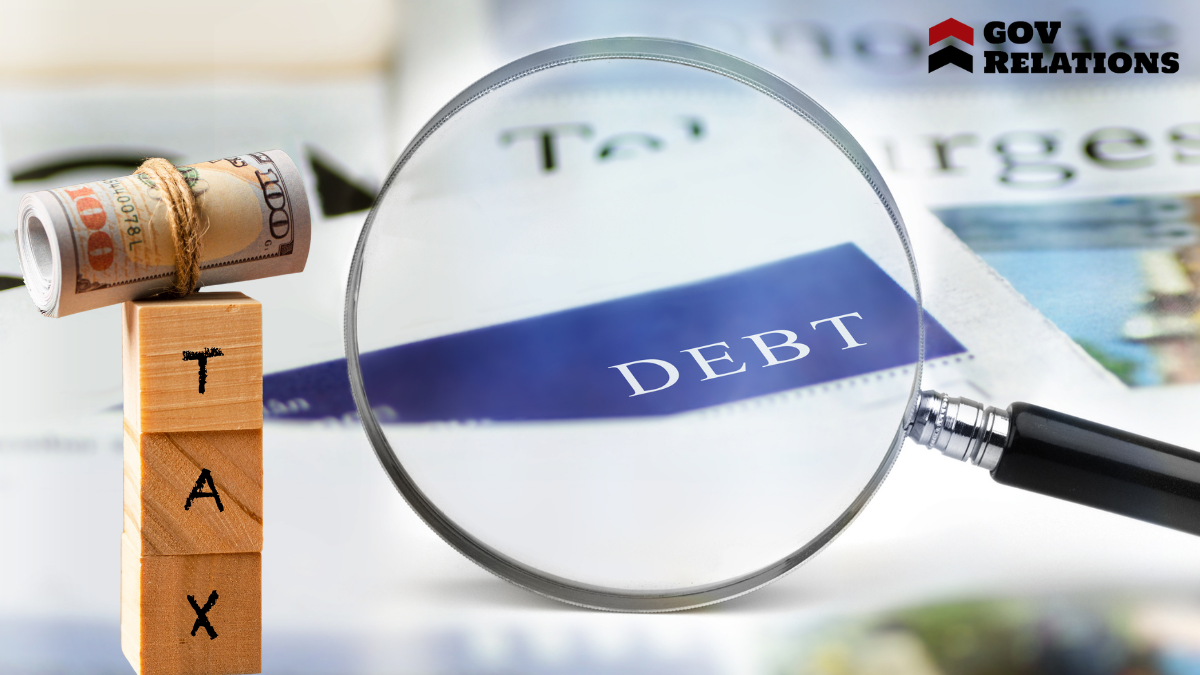
Although many debts can be managed or discharged, certain tax debts resist such resolutions, making them particularly challenging for us. Federal income taxes, for instance, often can't be discharged unless specific conditions are met. For these taxes to be considered for discharge, they must be at least three years old, and we must have filed a return for them.
Additionally, payroll taxes, which employers withhold from employees, are nearly impossible to discharge. These are seen as trust fund taxes, meaning we're entrusted with them before passing them to the government. Interest and penalties on these taxes complicate matters further, leading to an ever-increasing burden.
Understanding the intricacies of tax debts helps us navigate potential resolutions and avoid greater financial strain.
Debts Incurred Through Fraud
Debts incurred through fraud pose a significant challenge because they can't be easily discharged or forgiven. When we talk about fraud-related debts, we're dealing with obligations that arise from deception.
Here’s how they typically play out:
- False Pretenses: When someone manipulates others into believing false information to gain financially.
- Fraudulent Misrepresentation: Making false statements or promises with the intent to deceive.
- Embezzlement: Misappropriating funds entrusted to someone in a position of trust.
- Forgery: Falsifying documents or signatures to gain assets or funds.
These debts stick with us because the legal system aims to deter dishonest behavior. While bankruptcy offers relief for many, it doesn’t absolve fraudulent debts.
Understanding these nuances helps us navigate financial obligations ethically and responsibly.
Debts From Personal Injury Claims
When it comes to personal injury claims, we face debts that stick with us, no matter the circumstances.
These non-dischargeable injury debts, often arising from court-ordered compensation obligations, can’t simply be erased through bankruptcy.
Understanding the weight of these financial responsibilities is essential as we navigate the aftermath of personal injury cases.
Non-Dischargeable Injury Debts
While bankruptcy can provide a fresh start by discharging many types of debt, it doesn't wipe away non-dischargeable injury debts stemming from personal injury claims.
These debts arise from situations where someone's negligence or wrongful actions have caused harm. We must understand these key points:
- Intentional Injury: If we owe due to intentionally injuring someone, that debt sticks with us, even through bankruptcy.
- DUI Incidents: Debts from injuries caused by driving under the influence are non-dischargeable, reflecting the serious nature of such offenses.
- Willful or Malicious Acts: Debts from actions deemed willful or malicious, intended to cause harm, won’t be erased.
- Restitution: Any court-ordered restitution related to injuries remains our responsibility despite bankruptcy.
Understanding these debts helps us navigate our financial obligations more effectively.
Court-Ordered Compensation Obligations
Although bankruptcy can offer relief from overwhelming financial burdens, court-ordered compensation obligations from personal injury claims often remain our responsibility.
These debts arise when we're found liable for causing harm to another person, and the court mandates us to compensate the injured party. Unlike other debts, these obligations can't be easily discharged through bankruptcy proceedings. The reasoning is straightforward: society prioritizes ensuring victims receive just compensation for their injuries.
If we're facing such debts, understanding our legal obligations is vital. We might consider negotiating a payment plan or seeking legal advice to explore our options.
It’s important to approach this with a sense of responsibility and a willingness to comply with the court's decision, ensuring fairness for the injured party.
Debts From Criminal Restitution
Criminal restitution represents a unique category of debt that can't be discharged through bankruptcy. When we owe this kind of debt, it means we're responsible for compensating victims for their losses due to our criminal actions. Understanding why these debts persist is essential.
- Purpose: Restitution guarantees victims receive compensation directly related to their losses, fostering a sense of justice.
- Legal Requirement: Courts mandate restitution as part of a criminal sentence, making it a legal obligation we must fulfill.
- Non-Dischargeable: Unlike other debts, bankruptcy won’t erase restitution obligations, emphasizing accountability.
- Consequences: Failure to pay can lead to further legal action, including garnished wages or additional penalties.
It's important to recognize the seriousness of criminal restitution and our responsibility to address it.
Court Fees and Fines
Maneuvering the financial implications of court fees and fines can be challenging, yet it’s crucial to understand their impact on our financial obligations. These debts arise when we're involved in legal proceedings, and unfortunately, they're not easily dismissed.
Unlike other debts, court fees and fines can't be written off in bankruptcy. They remain our responsibility until fully paid. When we ignore these obligations, serious consequences can follow, including wage garnishments or even jail time in extreme cases.
To manage these payments effectively, we must prioritize them within our budgetA detailed financial plan outlining the projected costs of the project, including personnel, equipme.... Communicating with the court for potential payment plans can also ease the burden.
Understanding the gravity of these debts guarantees we remain compliant, avoiding additional financial or legal repercussions. Let's stay informed and proactive in handling them.
Government Overpayments
When we receive a government overpayment, whether from social benefits or tax credits, it can feel like a windfall, but it's important to remember that these funds aren't ours to keep.
Government overpayments become debts we must repay, and they can't be written off easily. Understanding the process helps us navigate repayment effectively. Here’s what we should know:
- Notification: We’ll receive a notice detailing the overpayment amount and why it happened.
- Repayment Plan: Often, governments offer repayment plans, spreading the cost over time.
- Appeals: If we believe the overpayment is incorrect, we can appeal, providing evidence to support our claim.
- Consequences: Ignoring the debt can lead to deductions from future benefits or tax refunds.
Let’s stay informed and proactive in managing these situations.
HOA Fees and Assessments

When it comes to HOA fees and assessments, we should understand that these debts often take priority over other liens.
Even if we're considering bankruptcy, it's important to know that HOA debts mightn't be discharged.
Ignoring these obligations can lead to serious legal consequences, so let's explore our rights and responsibilities.
Priority of HOA Liens
HOA liens, stemming from unpaid fees and assessments, often take precedence over other debts when a property is sold or foreclosed.
It's essential for us to understand why these liens hold such priority.
- State Laws: Many states grantA sum of money given by a government or other organization for a particular purpose, usually without... super-priority status to HOA liens, meaning they can surpass even a first mortgage in some situations.
- HOA's Role: Homeowners associations rely on these fees for maintenance and community services, making their collection critical.
- Property Value: Prompt payment of HOA dues guarantees neighborhood upkeep, preserving property values for all homeowners.
- Legal Power: HOAs can initiate foreclosure proceedings if dues go unpaid, highlighting the significance of these obligations.
Bankruptcy and HOA Debts
Maneuvering the intersection of bankruptcy and HOA debts can be complex, yet it’s essential for homeowners to grasp the implications.
When we file for bankruptcy, we often wonder if our HOA fees can be discharged. It’s important to understand that while bankruptcy might alleviate some financial burdens, it doesn’t wipe out all obligations.
Pre-petition HOA fees—those incurred before filing for bankruptcy—can be discharged in a Chapter 7 bankruptcy. However, post-petition fees, which accrue after filing, remain our responsibility.
In Chapter 13, we can include pre-petition fees in the repayment plan, but again, we must pay any fees that arise after filing.
Recognizing these distinctions helps us manage our expectations and plan effectively for maintaining our home within the HOA community.
Legal Consequences of Nonpayment
Failing to pay our HOA fees and assessments can lead to serious legal consequences. It’s essential to understand what might happen if we fall behind. Here’s a breakdown:
- Late Fees and Interest: Initially, we might face additional charges, making the amount owed quickly balloon.
- Legal Action: The HOA can file a lawsuit against us. If they win, we could be responsible for court costs and legal fees.
- Lien on Property: Unpaid fees can result in a lien, affecting our ability to sell or refinance our homes.
- Foreclosure: Although extreme, persistent nonpayment could lead to the HOA foreclosing on our property.
Conclusion
In conclusion, while many debts can be discharged, we must remember that some, like student loans, child support, and alimony, are not easily written off. These obligations guarantee dependents' well-being, uphold fairness, and maintain community standards. Additionally, debts from tax obligations, fraud, personal injury claims, and criminal restitution remain. As we navigate financial challenges, it’s essential to understand these exceptions and prioritize responsible management of these enduring commitments. Let's stay informed and handle our financial responsibilities wisely.




