

We offer veterans a wide range of employment resources to aid their shift to civilian jobs. Our services include career counseling, job placement assistance, and educational benefits like the GI Bill. The Vocational Rehabilitation and Employment (VR&E) Program supports disabled veterans with job training and tailored guidance. Additionally, our apprenticeship and work-study programs provide valuable hands-on experience. Explore our resources for more on how we can support your career journey.
Key Takeaways
- The VA offers career counseling to help veterans translate military skills into civilian job opportunities.
- Vocational Rehabilitation and Employment (VR&E) assists disabled veterans with job training and employment services.
- The GI Bill provides educational benefits, including tuition coverage and housing allowances for veterans pursuing higher education or vocational training.
- VA Apprenticeship programs allow veterans to earn while gaining practical industry experience with approved employers.
- Specialized programs like VET TEC and Work-Study offer veterans training in high-demand tech fields and flexible job opportunities during education.
Career Counseling and Guidance

When it comes to shifting from military to civilian life, career counseling and guidance can be invaluable resources for veterans. We’ve all faced changes, but this particular shift can feel intimidating. We need to understand our skills, translate them into civilian terms, and find careers that align with our experiences.
Career counseling helps us identify these skills and provides direction on how to apply them in the job market. As we navigate this journey, expert guidance offers clarity and confidence. Counselors can help us craft resumes and prepare for interviews, ensuring we present our best selves.
They also connect us with potential employers who value our military background. Together, we can make informed decisions that lead to fulfilling careers, bridging the gap from service to civilian success.
Vocational Rehabilitation and Employment (VR&E) Program
A vital resource for veterans shifting to civilian life is the Vocational Rehabilitation and Employment (VR&E) Program. This program supports us by offering personalized services to help secure meaningful employment.
It’s designed for veterans with service-connected disabilities, focusing on overcoming barriers to employment. We can access various services, including job training, resume development, and job-seeking skills coaching.
The program also offers assistance with post-secondary education and on-the-job training.
VA Education and Training Benefits
Let's explore how the GI Bill can open doors to education and career advancement for veterans.
We've access to a range of opportunities, from college degrees to specialized training programs, all designed to enhance our skills.
Vocational rehabilitation services also provide personalized support, ensuring we find the right path to a fulfilling career.
GI Bill Opportunities
The GI Bill offers veterans a wealth of educational and training benefits that can greatly enhance their career prospects.
We can explore a variety of opportunities, from traditional college degrees to technical and vocational training. This flexibility allows us to tailor our education to fit our career goals. With the GI Bill, tuition and fees at public institutions are fully covered, and we receive a monthly housing allowance, easing the financial burden.
Additionally, we can use the GI Bill for apprenticeships and on-the-job training, providing a practical path to employment.
The Yellow Ribbon Program can further help if we attend private institutions or out-of-state schools. Let’s take advantage of these resources to gain skills and qualifications that employers value.
Vocational Rehabilitation Services
While the GI Bill provides robust educational benefits, Vocational Rehabilitation Services offer another powerful avenue for veterans seeking to enhance their career paths. These services are designed for veterans with service-connected disabilities that impact their ability to work.
Through personalized support, we can explore vocational counseling, education, and training tailored to our unique needs and goals. The program helps us develop skills in high-demand fields or even start our own businesses.
It offers job placement assistance and resume development, ensuring we’re equipped to succeed. Importantly, eligibility isn’t limited to recent service; we've a 12-year window post-discharge to apply.
VA Apprenticeship and On-the-Job Training Programs
Let's explore how VA Apprenticeship and On-the-Job Training Programs can benefit us as veterans seeking employment.
We'll start by understanding the eligibility criteriaThe specific requirements and conditions that applicants must meet to qualify for a grant., followed by the benefits and incentives these programs offer.
Finally, we'll guide you through the steps needed to apply, ensuring you can take full advantage of these opportunities.
Eligibility Criteria Overview
Although maneuvering through the eligibility criteria for VA Apprenticeship and On-the-Job Training Programs might seem intimidating, understanding the basics can help demystify the process.
As veterans, we need to know if we're eligible to make the most of these opportunities. First, we must have served on active duty and be eligible for VA education benefits. Additionally, our chosen employer and program must be approved by the VA.
Let’s break down the essentials:
- Active Duty Requirement: We should have served on active duty and be eligible for GI Bill benefits.
- Program Approval: The apprenticeship or training program must be VA-approved.
- Employer Participation: Our employer needs to participate in the VA programs.
Benefits and Incentives
Understanding the eligibility criteria is just the first step. Once we understand we qualify, the VA Apprenticeship and On-the-Job Training Programs offer us significant benefits and incentives.
These programs allow us to earn while we learn, providing a stable income as we gain invaluable skills in our chosen fields. We receive a monthly training allowance from the VA, which supplements the wages paid by our employer. This support helps ease financial burdens during our shift to civilian careers.
Additionally, these programs generally last between six months and two years, offering us an extensive learning experience. By the end, not only do we've hands-on experience, but we're also well-prepared to advance in our careers, leveraging the full potential of our training.
Application Process Steps
Starting the application process for the VA Apprenticeship and On-the-Job Training Programs requires a few straightforward steps.
First, we need to guarantee eligibility, which typically involves having VA education benefits available, such as the Post-9/11 GI Bill.
Next, let's connect with potential employers who are approved for these programs. They can guide us on specific requirements and expectations.
Finally, submitting the right documents is essential. Here's what we need to focus on:
- Verify Eligibility: Confirm our benefits status through the VA.
- Find an Approved Employer: Research and reach out to employers participating in these programs.
- Complete Necessary Paperwork: Gather and submit documents like DD-214 and benefits application to the employer and VA.
VA Job Placement Services
Steering the shift from military to civilian life can be challenging, but VA Job Placement Services are here to help veterans find meaningful employment.
We recognize the change might feel overwhelming, but these services are designed to ease the process. With personalized career counseling and employment resources, we can match veterans with job opportunities suited to their skills and experiences.
Veterans can access workshops, resume writing assistance, and interview preparation to boost their confidence and marketability.
By connecting with a network of employers who value military experience, we aim to provide veterans with a clear path to success.
Let’s take advantage of these resources to guarantee our service translates into rewarding civilian careers. We’re in this journey together, and support is just a step away.
Employer Incentives and Support Programs
While the shift to civilian employment may seem intimidating, we can leverageThe use of borrowed capital (debt) to increase the potential return of an investment. employer incentives and support programs to facilitate this change.
These programs, designed to encourage businesses to hire veterans, offer both employers and us significant advantages. By understanding these options, we enhance our job prospects and ease our adjustment.
- Work Opportunity Tax Credit (WOTC): This federal tax credit incentivizes employers to hire veterans, reducing their tax liability.
- Veteran Readiness and Employment (VR&E): We receive support in job training and placement, while employers gain skilled employees.
- Employer Support of the Guard and Reserve (ESGR): This program promotes supportive work environments for veterans, ensuring job security and career progression.
VA Work-Study Program
Participating in the VA Work-Study Program offers us a unique opportunity to gain practical experience while pursuing our education. This program allows us to work in VA-related positions, such as at VA facilities, state veterans’ agencies, or other approved sites.
We earn an hourly wage while building skills that can enhance our future career prospects. The program is flexible, accommodating our class schedules and allowing us to work up to 25 hours per week, depending on our needs.
To qualify, we must be enrolled at least three-quarters time in a college, vocational, or professional program. By participating, we're not only supporting ourselves financially but also contributing to the veteran community.
This hands-on experience can be invaluable as we shift into our chosen careers.
Veterans Employment Through Technology Education Courses (VET TEC)
The Veterans Employment Through Technology Education Courses (VET TEC) program is a fantastic initiative designed to help us move into technology-driven careers.
This program provides us with a unique opportunity to gain essential skills in high-demand tech fields. It's a perfect fit if we're looking to shift smoothly into the tech industry without using our GI Bill benefits.
With VET TEC, we get:
- Training from leading tech schools: We can choose from a variety of reputable training providers that specialize in technology education.
- Paid housing assistance: While learning, we receive a monthly housing allowance to ease our financial burdens.
- Employment support: After training, we're connected with employers actively seeking skilled veterans.
Let's consider taking advantage of this valuable resource to advance our careers!
Resources for Disabled Veterans in the Workforce
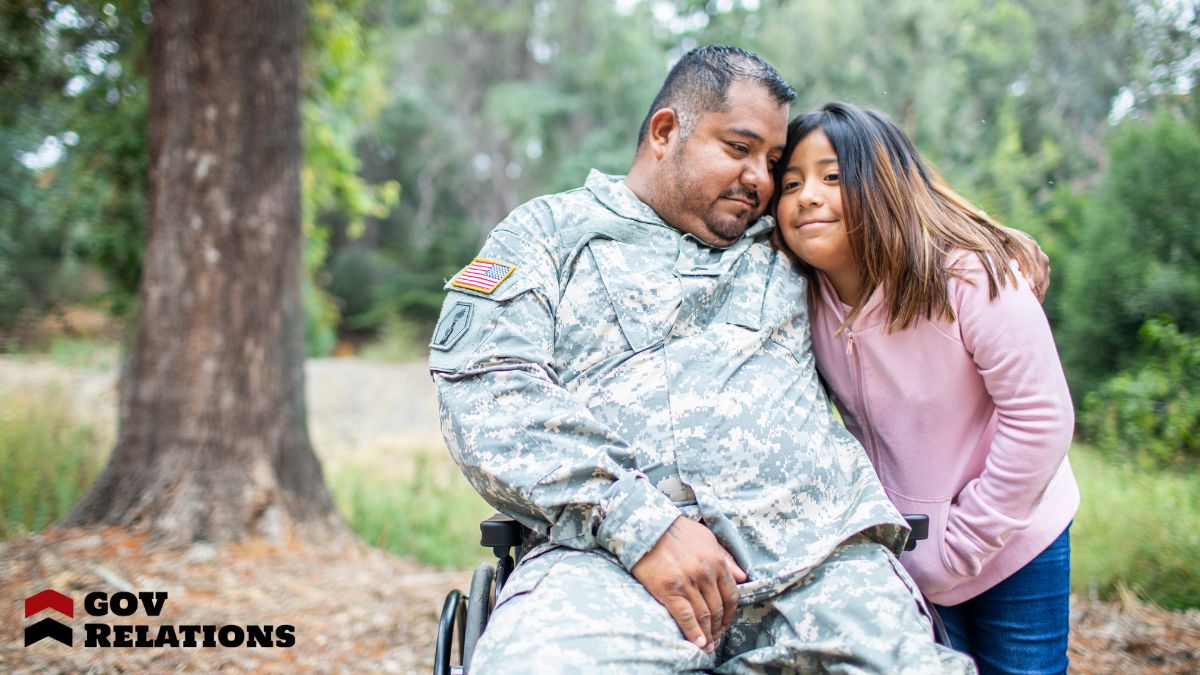
As we explore opportunities in tech, let's also focus on the support available for disabled veterans in the workforce. The VA offers several resources to guarantee our disabled veterans thrive in their careers.
One key program is the Vocational Rehabilitation and Employment (VR&E) service, which provides counseling, education, and training tailored to individual needs. It helps us identify our strengths and align them with suitable job opportunities.
Additionally, the VA collaborates with employers to create inclusive work environments. Through the Special Employer Incentive (SEI) program, we can find positions where employers receive incentives to hire and support us.
Let's embrace these resources and empower our disabled veterans to navigate their career paths successfully, assuring they receive the respect and opportunities they've earned.
Conclusion
We've explored the various employment resources the VA offers to veterans, from career counseling and VR&E to education benefits and job placement services. These programs are designed to support our shift to civilian life and guarantee we have the tools we need for success. Don’t forget about the incentives for employers and specific resources for disabled veterans. Let's take advantage of these opportunities to build rewarding careers and secure our futures.




