When we consider debt relief, it’s essential to weigh its potential downsides. While it may offer immediate financial relief, it can also have long-term consequences for our credit scores and future financial prospects. Higher interest rates and limited access to new credit are just a couple of potential pitfalls. Additionally, forgiven debt might lead to unexpected tax liabilities. Let’s explore how these factors and more can impact our financial journey.
Key Takeaways
- Debt relief can significantly lower credit scores, affecting future credit access and financial flexibility.
- Individuals may face higher interest rates on future loans due to perceived higher risk by creditors.
- Debt relief can result in reduced negotiation power with creditors and decreased lender trust.
- Forgiven debt might be taxable, leading to unexpected tax liabilities that require careful financial planningThe process of defining financial goals, developing budgets, and creating strategies to achieve them....
- Immediate debt freedom may lead to neglect of long-term financial planning and increased fraud risk.
Impact on Credit Scores
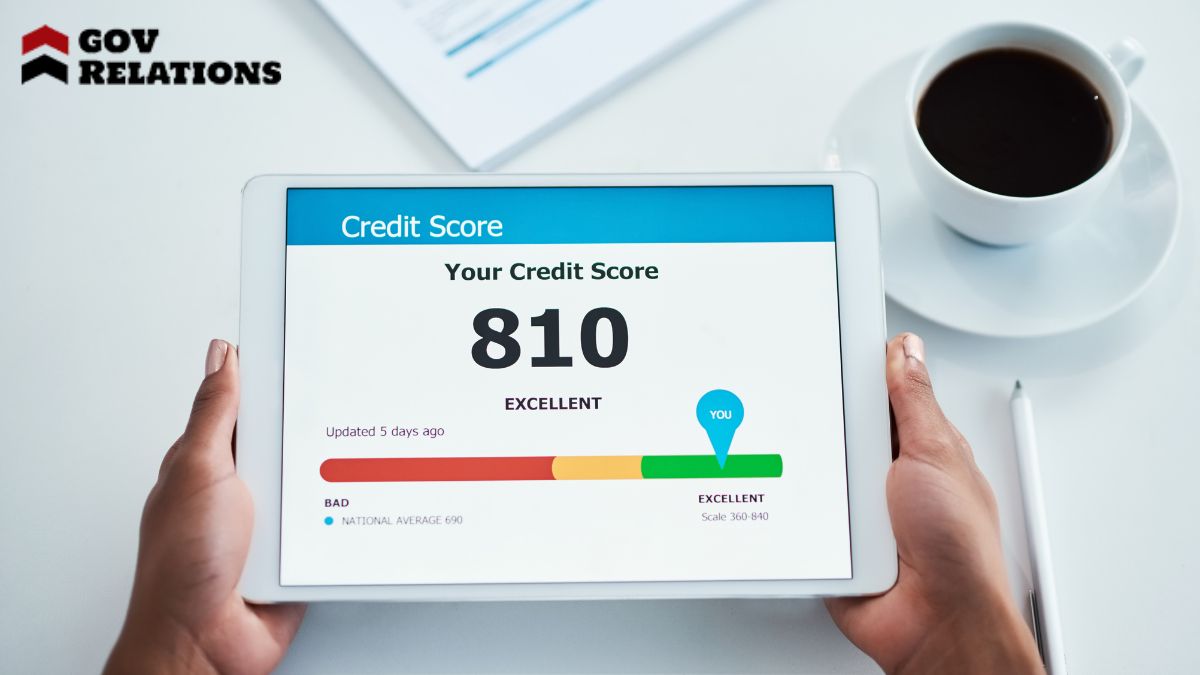
While debt relief can offer immediate financial relief, it often leaves a lasting mark on our credit scores. When we pursue options like debt settlement or bankruptcy, creditors may view us as a higher risk. This perception can lead to reduced credit scores, which reflect our financial behavior and reliability. A lower score can hinder our ability to secure loans, mortgages, or even rental agreements in the future.
It's essential to understand how our credit score is affected. Payment history, amounts owed, and length of credit history are critical factors in credit scoring. Debt relief strategies can alter these elements, impacting scores for years.
We must weigh these consequences against the benefits. Understanding this balance helps us make informed decisions about our financial futures.
Potential for Increased Interest Rates
Opting for debt relief might lead to a rise in interest rates on future credit endeavors. We often embrace debt relief to lighten our financial burdens, but it’s important to ponder how it might affect our future borrowing power.
Creditors might view us as higher-risk borrowers due to our past need for debt relief, which can result in higher interest rates. This consequence can impact our long-term financial goals and overall cost of borrowing.
- Increased Monthly Payments: Higher interest rates mean our monthly payments could become more expensive.
- Longer LoanA sum of money borrowed that is expected to be paid back with interest. Terms: We might end up stretching payments over longer periods, costing us more in the long run.
- Financial Stress: The added financial strain can be emotionally taxing, affecting our peace of mind.
Understanding these potential outcomesThe changes or benefits resulting from the project's activities, often categorized as short-term, in... helps us make informed decisions.
Loss of Negotiation Leverage
When we choose debt relief, we might inadvertently weaken our negotiation leverageThe use of borrowed capital (debt) to increase the potential return of an investment. with creditors. This leverage often comes from our ability to repay, negotiate terms, or seek alternative solutions. By opting for debt relief, we signal financial distress, making creditors less inclined to offer favorable terms or concessions. They might perceive us as less capable of managing our obligations, hence reducing their motivation to negotiate in good faith.
Additionally, once debt relief is initiated, creditors know we're committed to this path, limiting our bargaining options. We lose the potential to negotiate lower interest rates, extended payment plans, or reduced balances directly.
As a result, while debt relief can provide immediate relief, we need to understand that it might compromise our ability to negotiate future terms effectively.
Tax Implications and Liabilities
When we receive debt relief, we mightn't realize that this forgiven debt can be considered taxable income by the IRS.
This means we could face unexpected financial liabilities at tax time, potentially leaving us in a precarious situation.
It's essential for us to understand these implications to fully prepare for any tax obligations that may arise.
Debt Forgiveness Taxation
Although debt relief can feel like a financial lifeline, it’s vital to understand the tax implications that come with it. When a lender forgives a portion of our debt, the IRS may regard this forgiven amount as taxable income. This can lead to unexpected tax liabilities.
Imagine finally breaking free from debt, only to face a hefty tax bill. It’s essential that we prepare ourselves to avoid surprises.
Here are a few emotional triggers to reflect on:
- Shock: Realizing we owe taxes on forgiven debt.
- Overwhelm: Maneuvering through complex tax laws without guidance.
- Relief: Finding exemptions or options that lighten our load.
We should consult a tax professional to understand our specific situation and explore any exemptions or relief options available.
Potential Financial Liabilities
While debt relief can be a great step forward, it often comes with potential financial liabilities that we shouldn’t overlook. One major concern is the tax implications. When a debt is forgiven, the IRS might see it as taxable income. This means we could face unexpected tax bills, which can feel overwhelming.
We need to understand how this could impact our financial situation and plan accordingly.
Additionally, there are liability considerations. If we settle a debt for less than the owed amount, it could affect our credit score, making future borrowing costly or difficult.
It’s essential to weigh these potential liabilities against the benefits of debt relief. By being informed, we can make the best choices for our financial future.
Risk of Fraud and Scams
When considering debt relief, we must stay vigilant against fraud and scams.
Identifying fraudulent companies and recognizing scam warning signs can protect us from financial harm.
Let's also guarantee we safeguard our personal information to avoid falling victim to these schemes.
Identifying Fraudulent Companies
How can we protect ourselves from the risk of fraud and scams when considering debt relief options?
It's vital that we’re vigilant and informed. Fraudulent companies prey on our vulnerabilities and desperation to escape financial burdens. By being proactive, we can shield ourselves from their deceitful tactics.
Here are a few steps we can take:
- Research thoroughly: Let’s investigate the company’s background. Look for reviews, complaints, and any legal actions.
- Verify credentials: Confirm the company is registered and accredited with reputable organizations. It’s our responsibility to validate their legitimacy.
- Trust our instincts: If something feels off or too good to be true, let’s heed that warning.
Recognizing Scam Warning Signs
Why do some offers seem too good to resist? Scammers know we're keen for quick solutions to our debt woes. They often present enticing deals that promise immediate relief, making it hard to see the red flags.
First, if a company guarantees debt elimination or pressures us to act quickly, we should be cautious. Legitimate services don’t make impossible promises or use high-pressure tactics.
Second, upfront fees for services not yet rendered can indicate a scam. A trustworthy company will explain its fees and how it operates.
Finally, vague contact information or a lack of transparency about the company’s credentials should make us pause.
Protecting Personal Information
While managing our debt, protecting our personal information is essential to avoid fraud and scams.
We need to stay vigilant and informed to safeguard our financial well-being. Fraudsters often target those seeking debt relief, so let's make certain our details remain secure.
Here are some steps we can take:
- Stay alert: Monitor our bank statements and credit reports regularly for unfamiliar transactions.
- Verify authenticity: Before sharing information, confirm the legitimacy of companies or individuals offering help.
- Use strong passwords: Create complex passwords and change them often to prevent unauthorized access to our accounts.
Negative Credit Report Entries
When we pursue debt relief, it's important to take into account how it might impact our credit reports. Engaging in debt relief strategies like settlement or consolidation can lead to negative entries.
These entries might include notations of settled debts, which can signal to creditors that we didn't pay the full amount originally owed. Such entries can linger on our credit reports for up to seven years, potentially affecting our credit scores.
It's vital to understand that while debt relief can ease financial burdens, it doesn't erase past challenges from our credit histories. We need to weigh the benefits of immediate relief against the longer-term impact on our credit profiles.
Limited Access to New Credit
When we consider debt relief, we must also think about its impact on our credit score and how it affects our ability to obtain new credit.
Lenders often view past debt relief as a sign of financial instability, which can make them hesitant to extend new loans or credit lines.
This skepticism means that even though we've managed existing debts, we might face challenges in securing future credit.
Impact on Credit Score
Although debt relief can provide significant financial relief, it often comes with the downside of impacting one's credit score. When our credit score drops, it can limit our access to new credit. This situation can be challenging, especially if we need to finance a major purchase or handle unexpected expenses.
Understanding the emotional impact of a lowered credit score is essential:
- Frustration: The inability to qualify for new credit can be discouraging, especially if we're trying to rebuild our financial standing.
- Worry: Concerns about future financial flexibility can lead to stress and anxiety.
- Disappointment: After working hard to manage debt, a damaged credit score can feel like a setback.
Lender Trustworthiness Concerns
While a reduced credit score poses challenges, issues of lender trustworthiness further complicate our access to new credit. When lenders perceive us as high-risk due to past debt relief, they may hesitate to extend new credit. Their trust in our ability to repay diminishes, leading to stricter borrowing conditions or outright denial.
It's not just about numbers; it's about trust. They want assurance that we’re reliable borrowers, and past financial struggles can cast doubt.
As we seek new opportunities, we must rebuild this trust. Demonstrating responsible financial behavior, like timely bill payments and maintaining low credit balances, helps.
We can also communicate proactively with potential lenders, explaining our circumstances and showing our commitment to financial stabilityRequirements for demonstrating the financial health and stability of the applicant organization.. Establishing trust opens doors to better credit options.
Long-Term Financial Planning Challenges
Steering through debt relief can feel liberating, yet it often introduces complexities to our long-term financial planning.
We might enjoy the immediate freedom from debt, but the future can become clouded with uncertainty. Without careful planning, we risk falling back into old habits or facing unforeseen financial hurdles.
Consider these potential challenges:
- Limited Savings: With past debts behind us, we may neglect to build a strong savings cushion for emergencies.
- Retirement Planning: Prioritizing immediate relief can lead us to overlook critical retirement contributions, jeopardizing our future security.
- Credit Score Recovery: Post-relief, rebuilding our credit takes time and effort, impacting our ability to secure favorable terms on future loans.
Possible Legal Consequences
After achieving debt relief, we might assume our financial woes are behind us; however, potential legal consequences still exist that we must navigate carefully.
It's essential to understand that not all debts are forgiven. Some, like student loans, may remain unless specifically discharged through bankruptcy.
We should also be aware that forgiven debt can be considered taxable income, potentially leading to unexpected tax liabilities.
Creditors might challenge the debt relief process, claiming fraud or other misconduct, which can result in legal disputes.
We must keep thorough records and guarantee complianceAdherence to the rules, regulations, and requirements set forth by the grantor, ensuring proper use ... with all legal requirements during and after the relief process.
Emotional and Psychological Impact

Maneuvering debt relief can take a significant toll on our emotional and psychological well-being. As we navigate this tricky path, we're often hit with feelings of uncertainty and vulnerability.
We might feel relief from the burden of debt, but there's also the stress of potential financial instability and the fear of judgment from others. The emotional rollercoaster can be overwhelming.
We must remember the importance of self-care and seeking support during this time.
- Uncertainty: Will we truly be free, or is it just a temporary fix?
- Vulnerability: Sharing financial struggles can leave us feeling exposed.
- Judgment: The fear of how others perceive our financial decisions can be devastating.
Understanding and addressing these feelings helps us regain control and resilience.
Conclusion
As we weigh the pros and cons of debt relief, let’s remember it’s not a one-size-fits-all solution. While it might offer immediate relief, the potential for higher interest rates, tax liabilities, and credit score impacts can’t be ignored. We also face risks like fraud and limited future credit access. Steering through these challenges requires careful planning and awareness. Let’s empower ourselves with knowledge to make informed decisions, ensuring our long-term financial health and peace of mind.