When it comes to understanding what medical supplies Medicare will cover, there are several factors to take into account. We need to think about the type of equipment, its necessity, and if it meets Medicare's criteria. From wheelchairs to diabetes supplies, the coverage is broad, but not all-encompassing. It's vital for us to know what's included and how much Medicare will pay, especially since costs can quickly add up. Let's explore the details together.
Key Takeaways
- Medicare covers durable medical equipment like wheelchairs and walkers, requiring a doctor's prescription and use at home.
- Diabetes testing supplies are covered, including blood glucose monitors and test strips, from Medicare-approved suppliers.
- Home oxygen therapy equipment is covered with documented medical necessity, often rented rather than purchased.
- Wound care supplies like bandages and dressings are covered if deemed medically necessary for home use.
- Prosthetic devices are covered when prescribed by an approved doctor and obtained from Medicare-approved suppliers.
Understanding Medicare Coverage for Medical Supplies
When it comes to understanding Medicare coverage for medical supplies, it’s crucial to know what types of equipment and items are included. Medicare typically covers items that are medically necessary and prescribed by a doctor for use at home.
We should focus on durable medical equipment (DME), which often includes things like wheelchairs, walkers, and hospital beds. However, Medicare usually doesn’t cover items that are more convenience-focused or for general health purposes, such as grab bars or air purifiers.
It’s important for us to review the specific categories Medicare considers eligible for coverage. By doing so, we can make sure we're getting the most out of our benefits and avoiding unexpected expenses.
Criteria for Coverage of Durable Medical Equipment
Let's explore what it takes for Medicare to cover durable medical equipment.
We'll look at the specific coverage requirements and how they assess the necessity of the equipment for each of us.
Understanding these criteria helps guarantee that we get the right support when we need it.
Medicare Coverage Requirements
Understanding the criteria for Medicare's coverage of durable medical equipment (DME) is vital for both beneficiariesIndividuals or groups who directly benefit from the project's activities and outcomes. and caregivers.
We need to know that Medicare Part B covers DME if it's deemed medically necessary and prescribed by a doctor for use in the home. The equipment should be durable, meaning it can withstand repeated use and serve a medical purpose.
It's important that the supplier is enrolled in Medicare to guarantee coverage. In addition, the equipment must be appropriate for home use, not just in a hospital setting.
Equipment Necessity Assessment
Evaluating the necessity of durable medical equipment (DME) involves examining specific criteria that determine Medicare coverage.
Let’s explore these criteria together. First, the equipment must serve a medical purpose and be used to treat a diagnosed condition. It should also be durable, meaning it can withstand repeated use over time.
Medicare requires a doctor’s prescription confirming that the equipment is medically necessary. Additionally, the DME should be appropriate for home use, guaranteeing practicality for our daily lives.
Finally, the prescription must come from a Medicare-enrolled provider to qualify for coverage.
By understanding these criteria, we can better navigate the process and guarantee that we receive the necessary equipment without unnecessary financial burden.
Let’s make informed decisions for our health.
Wheelchairs and Mobility Aids
Although traversing the world of Medicare coverage can sometimes feel overwhelming, understanding what's covered for wheelchairs and mobility aids doesn't have to be. Medicare Part B helps cover these essential items if they're deemed medically necessary.
First, we need a doctor's prescription to confirm the necessity of a wheelchair or mobility aid. Once we've this, Medicare typically covers 80% of the approved amount, leaving us responsible for the remaining 20% and any applicable deductibles.
There are various options, including manual wheelchairs, power-operated vehicles, and scooters, depending on individual needs.
It's vital to work with a Medicare-approved supplier to guarantee coverage. By taking these steps, we can navigate the process smoothly and guarantee we or our loved ones receive the necessary mobility support.
Diabetes Testing Supplies and Equipment
Let's explore the diabetes testing supplies and equipment that Medicare covers.
We'll look at the specifics of covered testing supplies, understand the glucometer reimbursementThe process of compensating the grantee for expenses incurred, usually requiring documentation and p... guidelines, and see how insulin pump coverage works.
Covered Testing Supplies
How essential are the right tools when managing diabetes? They're critical for keeping our health in check.
Medicare steps in to ease the burden by covering a range of diabetes testing supplies. Having the right supplies on hand helps us maintain our blood sugar levels and overall health.
Here's what Medicare typically covers:
- Blood glucose monitors: Essential for tracking blood sugar levels.
- Test strips: Used with glucose monitors, they provide crucial blood sugar readings.
- Lancet devices and lancets: Used to obtain small blood samples for testing.
- Control solutions: Guarantees the accuracy of glucose monitors.
These tools are instrumental for effective diabetes management.
Glucometer Reimbursement Guidelines
When it comes to managing diabetes, understanding the reimbursement guidelines for glucometers under Medicare can greatly simplify our healthcare journey.
Medicare Part B covers glucose monitors, test strips, and lancets as durable medical equipment (DME) if prescribed by our doctor. It's essential that we've a diagnosis of diabetes and a documented need for frequent testing.
Medicare typically covers 80% of the approved amount, and we’re responsible for the remaining 20% after meeting the Part B deductible. We should guarantee our glucometers and supplies come from a Medicare-enrolled supplier for coverage.
Let’s keep our prescriptions and any necessary documentation up to date to streamline the process. Knowing these details helps us focus on what matters most: managing our health effectively.
Insulin Pump Coverage
Although managing diabetes can be challenging, understanding Medicare's coverage for insulin pumps can ease some of our burdens.
Medicare Part B covers insulin pumps as durable medical equipment (DME) if we meet specific criteria. To qualify, our doctor must prescribe the pump, and we must have diabetes that necessitates frequent insulin injections.
It's important to keep these key points in mind:
- Doctor's prescription: Confirm that our doctor documents the medical necessity.
- Approved suppliers: Use Medicare-approved suppliers for coverage.
- Insulin costs: Part B may cover insulin used with the pump, subject to deductibles and coinsurance.
- Continuous glucose monitors: Often covered alongside pumps if they meet Medicare's guidelines.
Let's remember to check our specific plan details to avoid any surprises in coverage.
Home Oxygen Therapy and Respiratory Equipment

For those of us with respiratory conditions, access to home oxygen therapy and respiratory equipment can greatly enhance quality of life. Medicare Part B generally covers these essentials if we meet specific criteria, such as a documented need from our doctor. This coverage typically includes oxygen equipment, tanks, and supplies necessary for home use.
Our physician must confirm that these are medically necessary, and the supplier must be Medicare-approved.
Moreover, Medicare often rents the equipment rather than purchasing it outright, which can impact our out-of-pocket costs. It’s essential for us to understand that while Medicare covers a significant portion, there may still be some costs we’re responsible for.
Always check with Medicare or our healthcare provider to confirm eligibility and understand any financial responsibilities.
Coverage for Ostomy Supplies
Ostomy supplies are essential for many of us managing a stoma, and Medicare Part B provides coverage to help ease this burden. Understanding what’s covered can make our lives a bit easier.
Medicare typically covers ostomy supplies under the prosthetic devices benefit. This means we’re eligible if our doctor prescribes them as medically necessary.
Coverage includes:
- Ostomy bags: Different types for either colostomy, ileostomy, or urostomy.
- Skin barriers: To protect the skin around the stoma and guarantee a secure fit.
- Adhesive remover wipes: To gently remove barriers or bags without damaging skin.
- Deodorants and pastes: To manage odors and help seal the skin barrier.
Knowing these details can help us navigate our healthcare needs more effectively.
Wound Care and Medical Dressings
When it comes to wound care and medical dressings, understanding what Medicare covers can be essential for us to manage our health effectively. Medicare Part B typically covers medically necessary wound care supplies if our doctor prescribes them. These supplies might include bandages, gauze, and other dressings essential for treating wounds or ulcers.
It's important to remember that Medicare only covers supplies used at home, and they must be part of a treatment plan. We should verify our healthcare provider documents the necessity clearly.
While Medicare covers 80% of the approved costs, we’re responsible for the remaining 20%, unless we've additional coverage. Keeping track of these details helps us access the care we need without unexpected expenses.
Eligibility for Prosthetic Devices
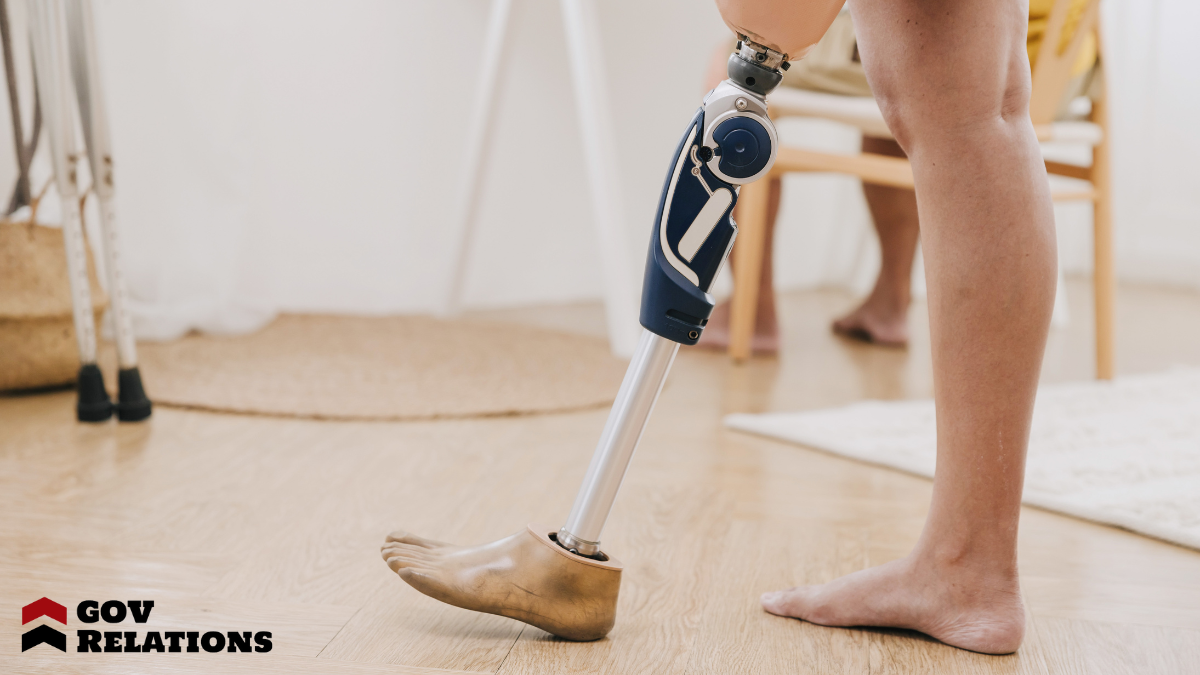
Steering through the domain of prosthetic devices under Medicare can feel intimidating, but understanding eligibility is essential for accessing the support we need.
First, let’s recognize that Medicare Part B covers prosthetic devices when they’re medically necessary. It’s vital to have a prescription from a doctor and use Medicare-approved suppliers.
Remember, eligibility hinges on several factors:
- Medical Necessity: The device must be deemed necessary by a healthcare provider.
- Doctor’s Prescription: A valid prescription from an approved doctor is required.
- Approved Suppliers: We need to utilize suppliers that accept Medicare.
- Coverage Limits: Understand that certain limitations could apply to the devices covered.
Understanding Medicare's Role in Home Health Supplies
While traversing the landscape of Medicare, it’s important to understand how it supports home health supplies. When we need medical supplies at home, Medicare Part B can be our ally. It covers certain durable medical equipment (DME), like walkers, wheelchairs, and hospital beds, if a doctor certifies it’s medically necessary.
But let's remember, not all items are covered. We must verify the supplier is Medicare-enrolled to receive full benefits.
Medicare also assists with some home health services, like intermittent skilled nursing care and physical therapy. However, to qualify, we'll need a doctor's order and a home health agency that's Medicare-certified.
It’s vital to check our coverage specifics, as not everything we might need falls under Medicare's umbrella. By staying informed, we can navigate our healthcare needs effectively.
Conclusion
In summary, we should always remember that Medicare provides essential support for a wide range of medical supplies, guaranteeing we have access to what's necessary for our health. By understanding the criteria for coverage, we can make informed decisions and maximize our benefits. Let's work with our doctors and Medicare-enrolled suppliers to make certain our needs are met, whether it's mobility aids, diabetes supplies, or prosthetic devices. Staying informed helps us navigate our healthcare journey more effectively.