

Let's explore the landscape of poverty alleviation programs in the U.S. and see how they work together to support those in need. From food assistance to housing and healthcare, these initiatives are essential. They offer a lifeline to many, ensuring basic needs are met while empowering individuals through education and job training. How do these programs intertwine and impact everyday lives? The answers might surprise you.
Key Takeaways
- SNAP provides essential grocery access to families facing food insecurity.
- Section 8 Vouchers help low-income families afford safe housing options.
- MedicaidA joint federal and state program that helps with medical costs for some people with limited income ... ensures healthcare accessCriteria ensuring that the project improves access to healthcare services. for low-income individuals and families.
- Educational grants and scholarships reduce financial barriers to higher education.
- Community health clinics offer affordable healthcare services to improve residents' well-being.
Federal Food Assistance Programs
When it comes to tackling hunger in the United States, federal food assistance programs play a crucial role.
We've the Supplemental Nutrition Assistance Program (SNAP)A federal aid program that provides food-purchasing assistance for low- and no-income individuals an..., which helps millions of families put food on the table. With its benefits, families can purchase essential groceries, guaranteeing they don’t go hungry.
Another significant program is the Women, Infants, and Children (WIC) program. It provides nutritious food, education, and support for mothers and young children in need.
We can’t overlook the impact of the National School Lunch Program either. It guarantees children receive healthy meals during school days, helping them focus and learn better.
These programs not only combat hunger but also promote overall well-being, ensuring everyone has access to the nutrition they need for a healthier future.
Housing Support Initiatives
Housing support initiatives are essential in our fight against poverty, and programs like Section 8 vouchers and public housing assistance play a vital role.
These programs help families afford safe and stable housing, which is a fundamental need.
Section 8 Vouchers
Though often overlooked, Section 8 Vouchers play a crucial role in housing support initiatives across the United States. These vouchers help low-income families, the elderly, and disabled individuals afford safe and decent housing.
By bridging the gap between income and rent, they guarantee that we all have the opportunity to live in stable environments. The process involves local public housing agencies distributing vouchers to eligible applicants, who then find housing that meets program requirements.
We can see how Section 8 empowers tenants by offering greater flexibility and choice in selecting a home. This initiative not only alleviates financial strain but also promotes diverse communities.
When we support housing stabilityRequirements for projects aimed at providing stable and affordable housing solutions., we contribute to breaking the cycle of poverty and improving overall quality of life.
Public Housing Assistance
As we explore public housing assistance, it's clear this initiative forms a cornerstone of housing support systems in the U.S. Public housing provides affordable homes to low-income families, seniors, and individuals with disabilities, guaranteeing a stable living environment.
Managed by local housing authoritiesOrganizations that fund affordable housing projects and community development initiatives., these programs aim to reduce homelessness and improve living standards. We recognize the significance of maintaining these properties to guarantee safety and comfort for residents.
Public housing can be a stepping stone for families attempting to improve their circumstances. By offering rent based on income, public housing helps residents allocate their resources towards education, healthcare, and other necessities.
It's essential we continue advocating for and supporting these programs, as they play a fundamental role in addressing poverty and fostering community resilienceEligibility for projects that enhance the resilience and adaptive capacity of communities to various....
Healthcare Access Programs
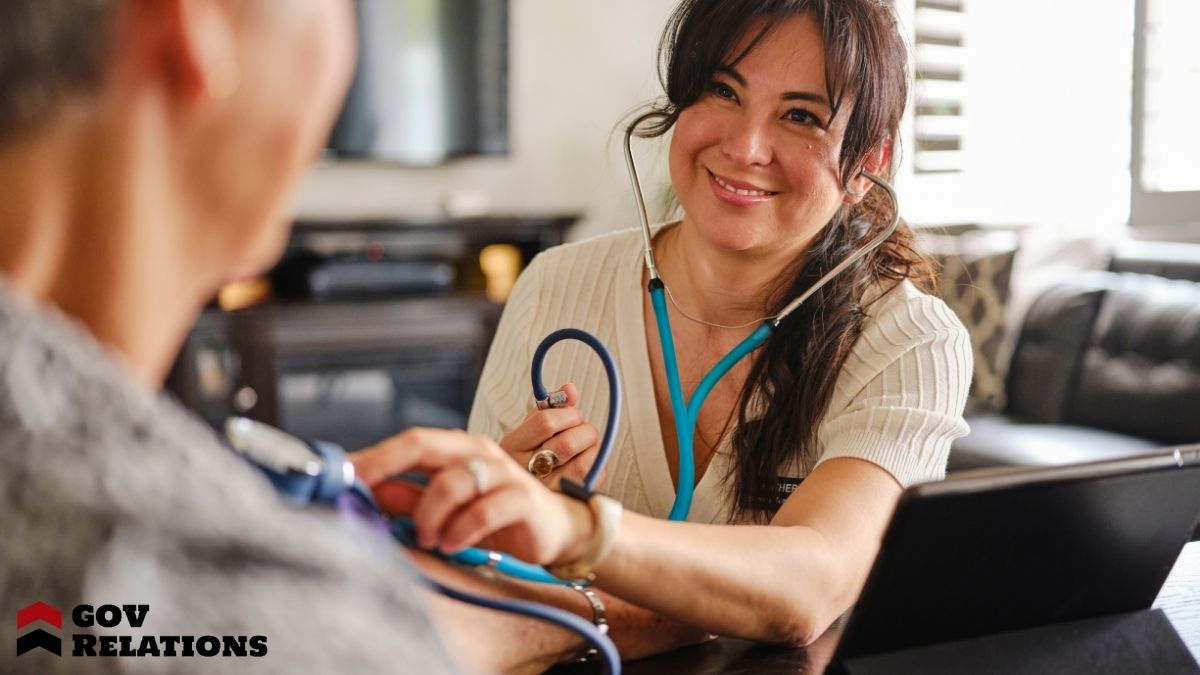
Access to healthcare is essential in breaking the cycle of poverty, and several programs in the US are designed to guarantee that everyone has the medical services they need.
Many of us mightn't realize how critical these programs are for low-income families. For instance, Medicaid provides health coverage to millions of Americans, including eligible low-income adults, children, pregnant women, elderly adults, and people with disabilities.
We also have the Children's Health Insurance Program (CHIP), which ensures that children in families with incomes too high to qualify for Medicaid can still receive quality healthcare.
Finally, the Affordable Care Act (ACA) has expanded healthcare access through marketplaces and subsidies.
- Medicaid: Offers extensive coverage for various groups.
- CHIP: Focuses on children's health.
- ACA: Broadens access through marketplaces.
Educational Opportunities for Low-Income Families
As we explore educational opportunities for low-income families, we can't overlook the impact of scholarships and grants that make higher education more accessible.
These financial aids, combined with free tutoring services, provide essential support for students working to succeed academically.
Together, they offer a pathway to break the cycle of poverty and release potential for future generations.
Scholarships and Grants Access
While the challenges of affording higher education can seem overwhelming for low-income families, scholarships and grants offer an essential pathway to academic achievement and economic mobility.
By reducing financial barriers, they allow students to focus on their studies without the burden of student debt. These opportunities can make a substantial difference in our lives, opening doors that might otherwise remain closed.
Scholarships and grants can offer:
- Access to elite institutions: We can attend schools that might've seemed out of reach financially.
- Reduced financial stress: With less debt, we can concentrate more on academics and less on finances.
- Increased career prospects: Education often leads to better job opportunities and income potential.
Free Tutoring Services
Countless families across the nation struggle to afford supplementary educational resources, but free tutoring services can bridge this gap for low-income students.
These services offer essential academic support without adding financial strain. It's understood that students often need extra help outside the classroom to excel, and that's where these programs shine. They provide personalized attention, helping students grasp challenging subjects and improve grades.
Organizations like Khan Academy and local community centers frequently offer free tutoring. Many schools partner with nonprofits to provide these resources.
It's not just about boosting test scores; it's about building confidence and a love for learning. By utilizing these services, we're empowering students to reach their full potential, breaking the cycle of poverty through education.
Let's make the most of these opportunities.
Employment and Job Training Services
Though challenges persist, employment and job training services in the US play a crucial role in alleviating poverty. These programs help individuals gain skills, secure jobs, and achieve financial stabilityRequirements for demonstrating the financial health and stability of the applicant organization..
Let’s explore some impactful services available to those in need.
- Workforce Innovation and Opportunity Act (WIOA)Legislation designed to help job seekers access employment, education, training, and support service...: This program offers training and support for job seekers, especially those facing barriers to employment.
- Job CorpsA federal program that provides free education and vocational training to young men and women aged 1...: A free educational and vocational training program that helps young people learn a trade, earn a high school diploma or GED, and find employment.
- Apprenticeships: These programs provide hands-on training and education, allowing participants to earn while they learn, often leading to full-time positions.
Child and Family Welfare Programs
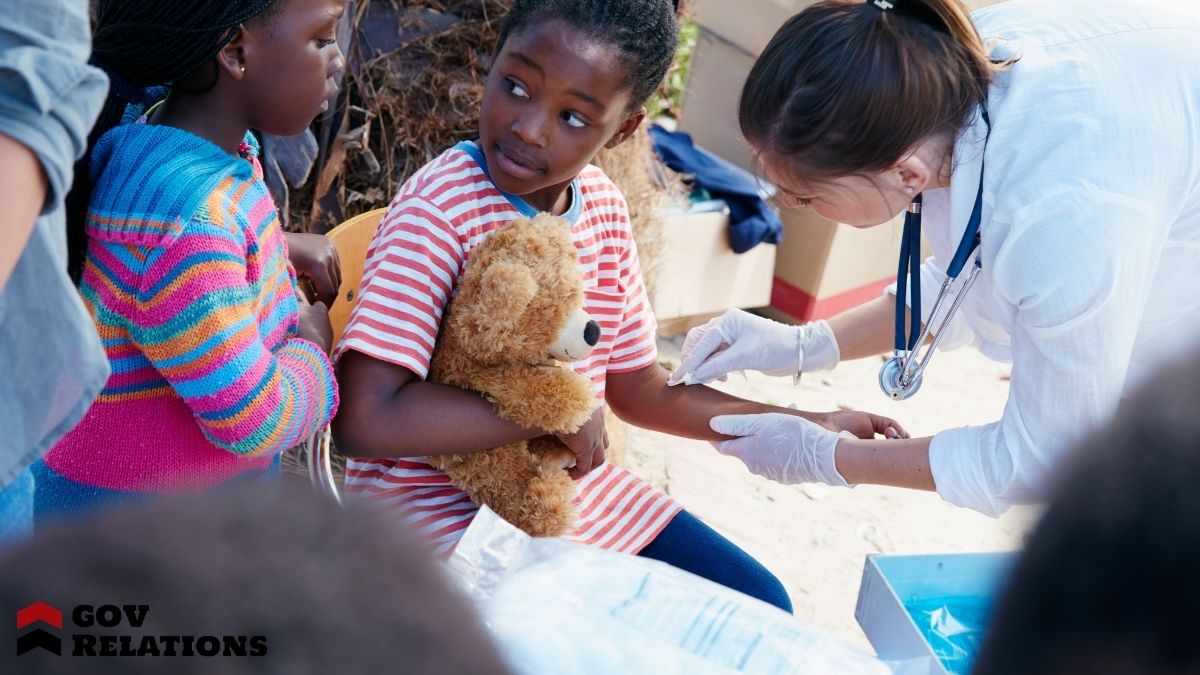
Besides employment and job training services, we recognize the importance of addressing the needs of children and families to effectively combat poverty.
In the U.S., several programs provide essential support, such as the Supplemental Nutrition Assistance Program (SNAP), which guarantees families have access to food. The Child Tax Credit offers financial relief, reducing poverty for millions of children.
Additionally, the Temporary Assistance for Needy Families (TANF)A federal assistance program that provides temporary financial assistance to low-income families wit... program provides cash assistance while promoting work and responsibility. Head Start programs prepare young children from low-income families for school success, offering education, health, and nutrition support.
Community-Based Poverty Alleviation Efforts
While national programs play a significant role in addressing poverty, community-based efforts are equally essential in tailoring solutions to local needs.
These grassroots initiatives have the flexibility to identify specific challenges and deliver targeted support. By working directly within communities, we can create sustainable change and empower residents.
- Local Food Banks: They provide immediate relief by distributing groceries to families in need, helping to combat food insecurity.
- Job Training Programs: These initiatives equip individuals with skills and resources, increasing their employment opportunities and financial independence.
- Community Health Clinics: Offering affordable healthcare services guarantees that residents have access to necessary medical care, improving overall well-being.
When we support these local efforts, we foster a collaborative environment where everyone contributes to reducing poverty.
Financial Assistance and Income Support
Financial assistance and income support programs are vital in our fight against poverty. They provide essential resources to individuals and families facing economic hardship. Programs like Temporary Assistance for Needy Families (TANF) offer cash assistance to help cover basic needs, while Supplemental Security Income (SSI) supports those with disabilities or limited income.
These programs aim to stabilize financial situations, giving people a chance to rebuild. We also have the Earned Income Tax Credit (EITC), which boosts income for low to moderate-wage workers, encouraging employment while reducing poverty.
Additionally, the Supplemental Nutrition Assistance Program (SNAP) guarantees access to food, alleviating one of the most immediate concerns for struggling families. By utilizing these programs, we can help create a more equitable society for everyone.
Conclusion
In the U.S., we have a range of programs designed to tackle poverty and support those in need. From ensuring access to food with SNAP to providing affordable housing through Section 8, we’re working to make a difference. Healthcare is more accessible thanks to Medicaid and CHIP, while educational and job training programs empower families toward financial independence. Together, these initiatives create a safety net that helps lift individuals and families out of poverty.




