We have a plethora of resources for children of veterans with disabilities. Educational help includes the Dependents' Educational Assistance and the Post-9/11 GI Bill. For mental well-being, therapy and support groups tailored for military families are accessible. Healthcare comes through CHAMPVA and CHIP. Community engagement, advocacy, and peer networks enhance emotional support, while online platforms provide valuable guidance. Exploring these opportunities can deeply benefit the children of our brave veterans.
Key Takeaways
- Educational Assistance Programs like the DEA provide financial aid for tuition and fees for children of veterans with disabilities.
- Mental health servicesCriteria for projects providing mental health support and services. offer tailored therapy options and support groups for emotional processing and community connection.
- Healthcare resources such as CHAMPVA and CHIP ensure medical coverage for families of veterans.
- Legal aid and advocacy ensure access to essential services and rights for families of veterans.
- Online platforms and community networks provide access to educational materials, support, and networking opportunities for military families.
Educational Assistance Programs
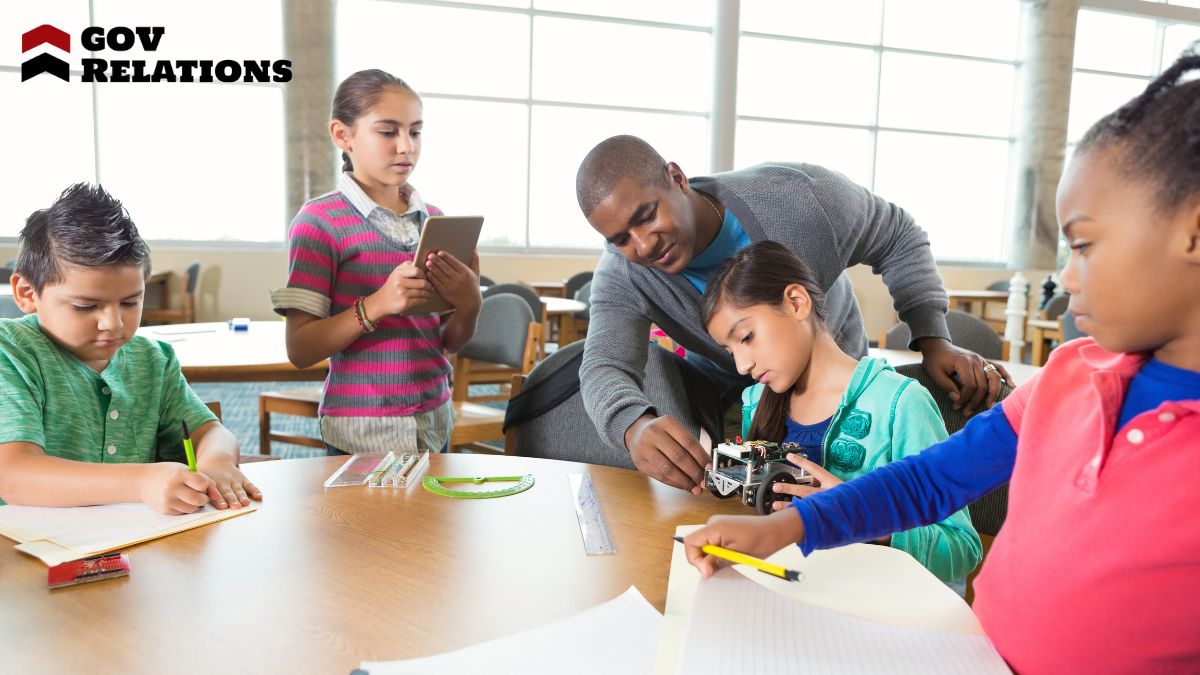
Educational assistance programs provide essential support for children of veterans with disabilities, helping them access quality educational opportunities. These programs often cover tuition, fees, and other educational expenses, easing the financial burden on families.
It's apparent that it's vital that these children have the same chances to succeed as their peers, and these resources make it possible. By tapping into such programs, we're ensuring our children can pursue their educational dreams without the stress of financial constraints.
We can explore options like the Dependents' Educational Assistance (DEA) program, which offers financial aid for degree and certificate programs.
Let's be proactive in seeking these opportunities for our children, ensuring they benefit from the support available. Understanding and utilizing these resources can truly make a difference in their educational journey.
Mental Health and Counseling Services
Let's explore the mental health and counseling services available for children of veterans with disabilities.
We can find accessible therapy options that cater to their unique needs, along with support groups that provide a sense of community and understanding.
Additionally, crisis intervention programs are in place to offer immediate assistance during challenging times.
Accessible Therapy Options
Steering through the world of mental health and counseling services can be intimidating, especially for children of veterans with disabilities.
It's understood how essential it is to find the right therapy options that cater to their unique needs. Thankfully, there are accessible therapy options available, such as cognitive behavioral therapy (CBT) and play therapy. These approaches can help children process their emotions and develop coping strategies.
Many therapists offer sliding scale fees to make services more affordable. Additionally, some organizations provide free or low-cost counseling specifically for military families.
Let’s remember to explore teletherapy options, which can be a convenient choice for those with transportation challenges or living in remote areas.
We’re here to support their journey towards emotional well-being.
Support Groups Availability
While therapy options provide individual support, joining a support group offers an invaluable sense of community and shared experience.
We can’t underestimate the power of connecting with others who understand our unique challenges. Children of veterans with disabilities often face emotional hurdles that can feel isolating.
Support groups provide a safe space for them to express feelings, share stories, and learn coping strategies from peers facing similar situations. These groups foster a sense of belonging that can be incredibly healing.
Many organizations, like the National Alliance on Mental Illness (NAMI), offer accessible support groups tailored for children of veterans.
By participating, we allow ourselves to build resilience and gain insight, knowing we’re not alone in our journey.
Let’s embrace this supportive community together.
Crisis Intervention Programs
Even when life feels overwhelming, crisis intervention programs offer essential support and guidance.
As children of veterans with disabilities, we recognize that emotional challenges can arise unexpectedly.
These programs provide a lifeline, offering immediate assistance to help navigate intense situations.
They connect us with mental health professionals who understand our unique circumstances and can offer practical solutions.
Financial Aid and Scholarships
As we explore financial aid and scholarships, let's focus on key opportunities available for children of veterans with disabilities.
Federal financial assistance programs, along with state-specific scholarshipFinancial aid awarded to a student, typically based on academic or other achievements, to support th... opportunities, provide essential support.
Additionally, private and nonprofit grants can ease the financial burden of education.
Federal Financial Assistance Programs
Steering through the world of federal financial assistance can seem intimidating, but understanding the available programs can make all the difference for children of veterans with disabilities.
Let's explore some key options that provide essential support:
- Post-9/11 GI Bill: This program offers tuition and fees, a monthly housing allowance, and a book stipend for eligible dependents. It's a thorough package that eases the financial burden of higher education.
- Survivors' and Dependents' Educational Assistance (DEA): DEA provides educational benefits for children of veterans who are permanently disabled or have passed away due to service-related issues.
- Federal Pell GrantA subsidy provided by the federal government to help students pay for college, awarded based on fina...: As a need-based grantA sum of money given by a government or other organization for a particular purpose, usually without..., this doesn't require repayment and supports undergraduate students in financial need, ensuring access to education without added debt.
State-Specific Scholarship Opportunities
While federal programs offer substantial support, it's important to contemplate the diverse scholarship opportunities available at the state level. Each state has crafted its own unique financial aid packages to assist children of veterans with disabilities.
We can explore these options by visiting state education department websites or contacting local veterans' affairs offices for guidance. Many states offer scholarships tailored specifically for our community, often not as widely publicized as federal options.
By tapping into these resources, we can greatly reduce educational expenses. It’s essential that we stay informed about deadlines and eligibility requirements, as they can differ from state to state.
Let’s make sure we’re taking full advantage of these opportunities to support our children’s educational journey.
Private and Nonprofit Grants
Beyond state-specific scholarships, private and nonprofit grants offer another valuable avenue for financial aid and scholarships.
These resources can greatly ease the financial burden for children of veterans with disabilities. We can explore several options that might align with our needs:
1. Pat Tillman Foundation: This foundation provides scholarships to military veterans and their families, focusing on leadership and service.
It's a great fit for those who demonstrate a strong commitment to community involvement.
2. Fisher House Foundation: Known for its scholarships for military children, this organization offers educational support through various programs, which are worth exploring.
3. Marine Corps Scholarship Foundation: Specifically targeting children of Marine and Navy veterans, this foundation provides need-based scholarships to guarantee access to higher education.
Peer Support and Community Networks
Connecting with others who share similar experiences can be incredibly valuable for children of veterans with disabilities. It provides a sense of belonging and understanding that might be hard to find elsewhere.
Peer support groups and community networks offer these children a safe space to express themselves and gain insights from those who truly understand their unique challenges.
Access to Healthcare and Medical Support
Peer support and community networks offer invaluable emotional connections, but addressing practical needs like healthcare accessCriteria ensuring that the project improves access to healthcare services. is equally important for children of veterans with disabilities.
We must guarantee that these children receive the medical support they need. Thankfully, several resources are available to help navigate healthcare challenges:
- TRICARE - This program provides extensive health coverage for military families, including children with specific medical needs. It covers a range of services from routine check-ups to specialized care.
- CHAMPVA - For families not eligible for TRICARE, CHAMPVA offers medical benefits that can fill gaps, covering necessary treatments and services.
- State Children's Health Insurance Program (CHIP) - This option offers low-cost health coverage for families who earn too much to qualify for MedicaidA joint federal and state program that helps with medical costs for some people with limited income ... but can't afford private insurance.
Let's guarantee these resources are fully utilized.
Recreational and Therapeutic Activities
While healthcare is essential, we shouldn’t overlook the significance of recreational and therapeutic activities for children of veterans with disabilities. These activities offer more than just fun; they provide critical emotional and social support. By engaging in sports, art classes, or music therapy, children can develop confidence and resilience. Programs like adaptive sports leagues or equine therapy are specifically designed to meet their unique needs.
Let’s focus on how these activities encourage socialization and foster a sense of belonging. Participating in group activities helps build friendships and promotes teamwork.
Art and music can also be powerful outlets for expression, helping children process emotions and reduce stress. By prioritizing these recreational opportunities, we can support their overall well-being and growth.
Advocacy and Legal Assistance
When it comes to advocacy and legal assistance for children of veterans with disabilities, we must recognize the importance of securing their rights and ensuring access to essential services.
These resources are crucial in maneuvering complex systems and obtaining necessary support. Here’s how we can help:
- Legal Aid Organizations: Many organizations specialize in providing free or low-cost legal services to veterans and their families, helping address issues like benefits and education rights.
- Veterans Advocacy Groups: These groups work tirelessly to advocate for policy changes and provide a platform for families to voice their needs and concerns.
- School Liaison Officers: They serve as advocates within educational settings, ensuring children receive the accommodations and support they require for their academic success.
Online Resources and Information Platforms

In addition to advocacy and legal assistance, we should explore the wealth of online resources and information platforms available to support children of veterans with disabilities. These platforms offer a treasure trove of information, guidance, and community supportDemonstration of local community support for the project, often through letters of support or commun....
Websites like Military OneSource provide extensive resources, including educational materials and counseling services tailored for military families. We can also access online forums where families share experiences, advice, and encouragement, helping us connect with others who understand our unique challenges.
Additionally, the U.S. Department of Veterans Affairs website offers detailed information about available benefits and programs.
Let’s not forget the power of social media groups that offer real-time support and networking opportunities. By leveraging these online tools, we can empower ourselves and foster a supportive environment for our children.
Conclusion
In supporting children of veterans with disabilities, we find a wealth of resources designed to empower and uplift them. From educational assistance programs and financial aid to mental health services and peer support networks, there's a robust framework in place. Access to healthcare, recreational activities, and advocacy guarantees thorough support. Let's utilize these resources to make a difference in their lives and together build a brighter future for these resilient young individuals.