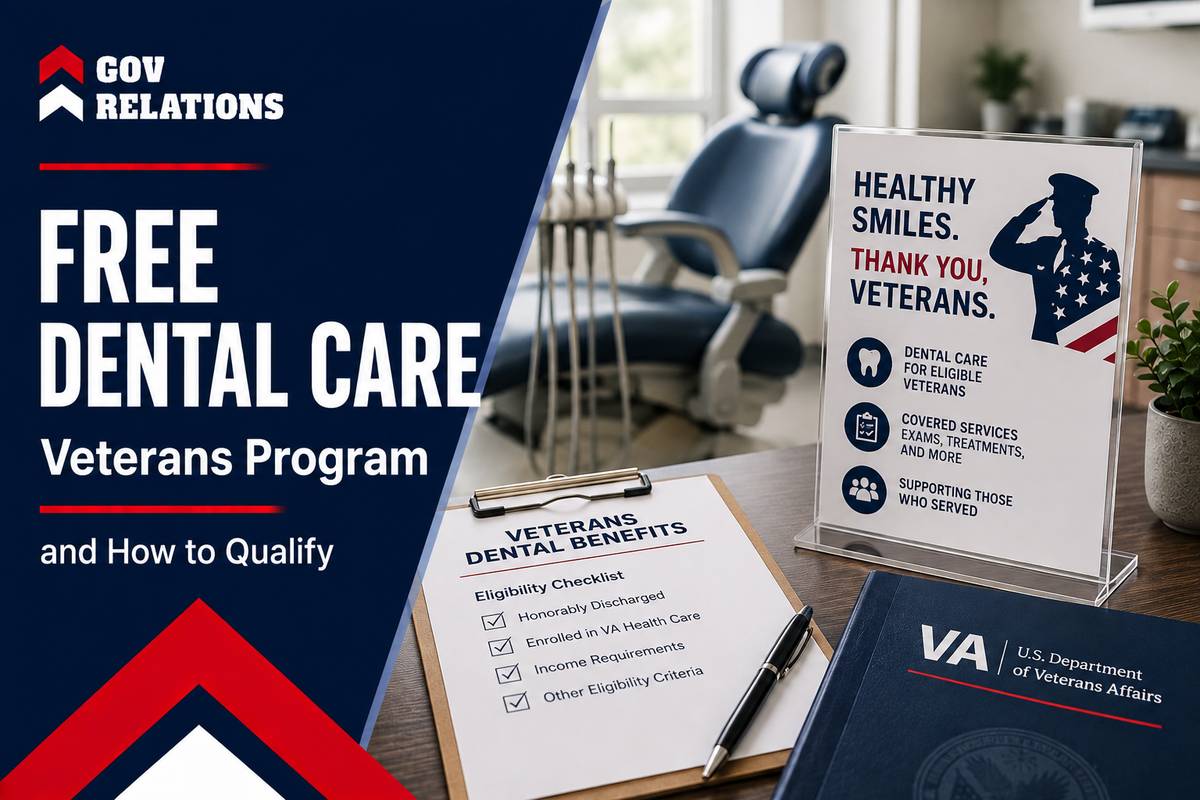
We recognize the critical need for veterans to have access to excellent healthcare options tailored specifically to their unique situations. We suggest exploring the VA Healthcare System for thorough care and VA Caregiver Support for those assisting veterans with service-related conditions. TRICARE for Life and CHAMPVA Benefits offer outstanding coverage for eligible retirees and their families. Additionally, the Veterans Choice Program guarantees faster access to community providers, while the Aid and Attendance Benefit provides financial assistance for daily care needs. Finally, State Veterans Homes offer affordable long-term care. Let's delve deeper into how these options can assist you and your loved ones.
Key Takeaways
- VA Healthcare System offers comprehensive medical support, including primary care and specialized treatments, for eligible veterans nationwide.
- TRICARE for Life provides Medicare-wraparound coverage, covering copayments, coinsurances, and deductibles for eligible TRICARE and Medicare beneficiariesIndividuals or groups who directly benefit from the project's activities and outcomes..
- CHAMPVA Benefits cover medical services for dependents and survivors of veterans, with a cost-sharing system and a catastrophic cap on expenses.
- Veterans Choice Program allows veterans to access community healthcare providers if facing long wait times or living far from VA facilities.
- State Veterans Homes provide affordable long-term care with specialized services, including therapy and Alzheimer's units, for veterans.
VA Healthcare System
The VA Healthcare System serves as the cornerstone of medical support for veterans across the United States. We rely on it to provide extensive care tailored to our unique needs. The system offers a range of services, from primary care to specialized treatments, ensuring we've access to quality healthcare.
Enrollment is a straightforward process. First, we need to meet eligibility requirements, which generally include having served in active military service and receiving an honorable discharge. Once enrolled, we can access various benefits like routine check-ups, mental health servicesCriteria for projects providing mental health support and services., and emergency care.
The VA also offers support for chronic conditions and rehabilitation services, which are vital for many of us.
One of the most significant advantages is the emphasis on veteran-specific care. The VA staff are trained to understand the physical and emotional challenges we face, making the care more personalized and effective. Additionally, the system includes nationwide facilities so we can find help close to home.
TRICARE for Life

While the VA Healthcare System remains a primary resource for many of us, there's another valuable option available through TRICARE for Life. TRICARE for Life is a Medicare-wraparound coverage for those of us who are eligible for both TRICARE and Medicare. It's designed to cover the expenses that Medicare doesn't, including copayments, coinsurances, and deductibles.
One of the main benefits of TRICARE for Life is its simplicity. As long as we're enrolled in Medicare Part A and Part B, we're automatically covered by TRICARE for Life without needing to pay an additional premium. This can greatly ease the financial burden of medical care, especially for those of us with chronic conditions or frequent healthcare needs.
Additionally, TRICARE for Life gives us access to a wide network of providers. We can visit any Medicare-accepting provider, ensuring we've flexibility and choice in our healthcare.
Plus, if we require services not covered by Medicare but covered by TRICARE, TRICARE steps in as the primary payer.
Understanding how TRICARE for Life complements Medicare is important. It can fill many gaps and provide inclusive coverage, making our healthcare journey smoother and less stressful.
CHAMPVA Benefits
Now, let's explore the CHAMPVA benefits available to certain veterans and their families.
We'll cover who's eligible and how to enroll, what medical services are included, and the costs and reimbursementThe process of compensating the grantee for expenses incurred, usually requiring documentation and p... process. Understanding these can help us make informed decisions about our healthcare options.
Eligibility and Enrollment Process
Understanding the eligibility and enrollment process for CHAMPVA benefits can seem overwhelming, but breaking it down step-by-step makes it manageable.
First, it's important to know who qualifies. CHAMPVA, or the Civilian Health and Medical Program of the Department of Veterans Affairs, provides coverage for certain dependents and survivors of veterans. To be eligible, we need to be the spouse, widow(er), or child of a veteran who's either permanently and totally disabled due to a service-connected disability, died from such a disability, or died while having that status.
Once we confirm eligibility, the next step is enrollment. We start by filling out VA Form 10-10d, available on the VA's website. Along with the form, we need to submit documents like copies of marriage certificates, birth certificates, and the veteran's VA rating decision. It's essential to double-check everything before submission to avoid delays.
After submitting the application, we should expect a processing time of about 6-8 weeks. If approved, we'll receive a CHAMPVA card and program guide in the mail. Remember, staying organized and thorough in our application process ensures a smoother path to obtaining these valuable benefits.
Covered Medical Services
Once we've navigated the eligibility and enrollment process for CHAMPVA, it's time to explore the medical services covered under this program. CHAMPVA, or the Civilian Health and Medical Program of the Department of Veterans Affairs, offers a wide range of healthcare services to eligible beneficiaries.
First and foremost, CHAMPVA covers inpatient and outpatient care, which includes hospital stays, surgeries, and routine doctor visits. Preventive services like vaccines, cancer screenings, and annual physical exams are also part of the package.
For those needing specialized care, CHAMPVA provides coverage for mental health services, physical therapy, and durable medical equipment such as wheelchairs and prosthetics.
Prescription medications are another critical component. CHAMPVA covers most FDA-approved prescriptions, ensuring we've access to necessary treatments. Additionally, lab tests, X-rays, and other diagnostic procedures are included, helping us stay on top of our health.
For families, maternity and newborn care are covered, ensuring both mother and child receive necessary medical attention. Home healthcare services, hospice care, and skilled nursing facilities are also available, providing extensive support.
Cost and Reimbursement

When considering the cost and reimbursement aspects of CHAMPVA benefits, it's important to understand how our financial responsibilities are managed. CHAMPVA, which stands for the Civilian Health and Medical Program of the Department of Veterans Affairs, helps cover healthcare expenses for eligible dependents. While it's not a free service, CHAMPVA does provide significant financial aid.
We've got a cost-sharing system in place where CHAMPVA typically covers 75% of the allowable amount for covered services, leaving us accountable for the remaining 25%. There's also an annual outpatient deductible of $50 per person, capped at $100 per family. Once we meet this deductible, CHAMPVA will start paying its share.
One of the great things about CHAMPVA is the catastrophic cap, which limits our out-of-pocket expenses. For a calendar year, this cap is set at $3,000 per family. Once we hit this limit, CHAMPVA pays 100% of covered services for the rest of the year.
Reimbursement is straightforward. After receiving medical care, we submit a claim form along with an itemized bill. CHAMPVA processes the claim and reimburses us based on their coverage guidelines. This system guarantees we're not left shouldering overwhelming medical bills.
VA Caregiver Support
Caring for our veterans often requires a team effort, and that's where VA Caregiver Support steps in. When a loved one returns home with service-related injuries or illnesses, the responsibility can feel overwhelming. Thankfully, the VA offers an all-encompassing Caregiver Support Program designed to assist those who sacrifice their time and energy to care for our heroes.
The VA Caregiver Support Program provides a variety of services to ease the burden. These include training, educational resources, and financial stipends to help cover caregiving costs. Additionally, caregivers can access respite care, ensuring they get the necessary breaks to recharge. This support is essential for maintaining both the caregiver's and the veteran's well-being.
Moreover, the program offers counseling and peer support services. It's often helpful to connect with others who understand the unique challenges of caregiving. By sharing experiences and advice, caregivers can find emotional support and practical solutions.
The VA also provides a dedicated Caregiver Support Coordinator in every VA medical center. These coordinators are there to assist with navigating the various resources and benefits available. With these all-encompassing services, the VA Caregiver Support Program truly stands as a lifeline for those caring for our veterans.
Veterans Choice Program
Finding healthcare options for veterans can be challenging, but the Veterans Choice Program makes it easier for eligible veterans to access the care they need. Through this program, veterans who face long wait times or live far from VA facilities can receive care from community providers.
We know how frustrating it can be to wait for essential healthcare. With the Veterans Choice Program, veterans can see a local doctor if they meet certain criteria, like waiting more than 30 days for a VA appointment or living more than 40 miles from the nearest VA facility. This way, we're not stuck with delays and can get timely care closer to home.
Applying for the program is straightforward. We just need to call the Veterans Choice Program call center, confirm our eligibility, and schedule an appointment with a participating local provider. The program covers a wide range of services, from primary care to specialized treatments, making it a versatile option.
Aid and Attendance
Many veterans may not be aware of the Aid and Attendance (A&A) benefit, a lesser-known but incredibly valuable resource for those who need extra help with daily living activities. This benefit, provided by the Department of Veterans Affairs, offers financial support to veterans and their surviving spouses who require assistance with tasks like bathing, dressing, or eating.
To qualify for A&A, we need to meet specific criteria:
- Service Requirement: We must have served at least 90 days of active duty, with at least one day during a wartime period.
- Medical Necessity: We must demonstrate a need for help with daily activities due to a disability or illness.
- Financial Need: There are also income and asset limitations that we must meet.
Applying for A&A can seem overwhelming, but there are resources available to guide us through the process. We can reach out to Veterans Service Organizations (VSOs) or the VA directly for assistance.
Ensuring all necessary documents, such as medical records and financial statements, are in order will streamline the application.
State Veterans Homes

While Aid and Attendance provide important financial support for daily living, another significant resource to take into account is State Veterans Homes. These homes offer long-term care specifically tailored for veterans. They're not just facilities; they're communities where veterans can receive the care they need while connecting with others who share their experiences.
We should understand that State Veterans Homes offer more than just medical care. They include services like physical therapy, occupational therapy, and recreational activities, all designed to improve the quality of life for our veterans. Many homes also provide specialized care units for those suffering from conditions like Alzheimer's or other forms of dementia.
Let's not overlook the financial aspect. State Veterans Homes often have lower costs compared to private nursing homes. They may accept various forms of insurance, including MedicaidA joint federal and state program that helps with medical costs for some people with limited income ... and Medicare, which can further alleviate the financial burden on families.
It's essential to research the specific State Veterans Home in our area, as services and availability can vary. By considering these homes, we can guarantee our veterans receive thorough, compassionate care in a supportive environment. This option is undeniably worth exploring for those who've served our country.
Frequently Asked Questions
How Do I Apply for Disability Compensation as a Veteran?
To apply for disability compensation, we need to gather our service and medical records, fill out VA Form 21-526EZ, and submit it online through eBenefits, by mail, or in person at a VA regional office.
Are There Mental Health Services Specifically Tailored for Veterans?
Yes, there are mental health services specifically tailored for veterans. We can access counseling, therapy, and support groups through the VA. They understand our unique experiences and offer treatments to help us heal and thrive.
What Transportation Options Are Available for Veterans to Attend Medical Appointments?
We can find several transportation options available for veterans attending medical appointments. Many VA facilities offer shuttle services, and some organizations provide free or discounted rides. Check with local VA offices for specific programs in your area.
Can Veterans Access Dental Care Through Any Healthcare Aid Programs?
Yes, veterans can access dental care through the VA's dental program if they meet certain eligibility criteriaThe specific requirements and conditions that applicants must meet to qualify for a grant.. Let's check the VA website or contact a VA representative to find out if we qualify and how to apply.
Are There Financial Assistance Programs for Veterans' Prescription Medications?
Yes, there are financial assistance programs for veterans' prescription medications. We can look into VA healthcare benefits, which often cover prescriptions, and also check state-specific programs and non-profits that offer additional support.
Conclusion
To sum up, we've explored several healthcare aid options tailored for veterans, ensuring they receive the support they deserve. From the VA Healthcare System to State Veterans Homes, these programs offer a range of benefits to meet diverse needs. We hope this guide helps you or a loved one navigate the available resources. Don't hesitate to reach out and take advantage of these valuable services. Your health and well-being are a priority, and help is always within reach.