

Are single-child parents happier? It seems many parents of an only child appreciate the focused attention and strong emotional bonds that develop. With fewer financial burdens, they can prioritize quality experiences and education. These parents often enjoy a fulfilling, balanced life, blending work with family time. Societal expectations can add pressure, but embracing this unique family dynamic often leads to satisfaction and happiness. Discover how we navigate this rewarding journey.
Key Takeaways
- Single-child parents often experience heightened parental satisfaction due to a strong emotional bond with their children.
- Financial relief from reduced childcare costs allows parents to focus on quality family interactions.
- Only children form deep connections with peers, enhancing socialization and potentially leading to happier parenting experiences.
- Parents can focus on their child's individual growth, creating a rewarding and fulfilling parenting journey.
- Societal pressures may impact perceived happiness, but strong family bonds often counteract these challenges.
Understanding the Shift Towards Single-Child Families
Although families have traditionally favored having multiple children, there's been a noticeable shift towards single-child families in recent years.
We can see this change reflected in how parents are redefining family dynamics and priorities. Many of us are choosing to focus on the quality of upbringing rather than quantity. We want to provide undivided attention, emotional support, and tailored educational opportunities for our children.
This shift might also stem from societal changes, with parents seeking a balanced lifestyle, including career aspirations and personal growth.
As we look into this trend, it's essential to reflect on how the decision influences family happiness and well-being.
The Financial Aspect of Raising One Child

As we consider the financial aspect of raising a single child, we've likely noticed some relief in our budgets compared to larger families.
The reduced cost of childcare can ease monthly expenses, allowing us to allocate more funds towards education savings.
This strategic financial planningThe process of defining financial goals, developing budgets, and creating strategies to achieve them... not only supports our child's future but also contributes to our overall happiness and peace of mind.
Cost of Childcare
Raising a single child comes with its unique set of financial challenges, especially when it comes to the cost of childcare. We often find ourselves weighing the balance between quality care and our budgetA detailed financial plan outlining the projected costs of the project, including personnel, equipme....
Childcare expenses can be significant, making us rethink how we allocate our finances. Whether we're considering daycare, a nanny, or after-school programs, each option comes with its own price tag. It's essential to plan ahead and understand what fits best for our family.
We might explore government assistance programs or tax credits to ease this financial burden. Some of us might even opt for flexible work arrangements to reduce the need for full-time childcare.
Education Savings Benefits
Investing in education savings early on can be a significant advantage when raising a single child. With fewer financial obligations compared to parents with multiple children, we can allocate more resources toward building a robust education fund. This means we can provide our child with quality education opportunities without the overwhelming stress of juggling multiple tuition fees.
Starting an education savings plan allows us to take advantage of compound interest, growing our contributions over time. We can explore options like 529 plans or education savings accounts, which often offer tax benefits.
Time and Attention: The Single Child Advantage
As parents of a single child, we often experience the unique benefit of focused parenting dynamics, allowing us to tailor our attention and resources specifically to their needs.
This personalized approach not only supports our child's development but also reduces familial stress by eliminating the need to divide our time among multiple children.
Our ability to concentrate on one child can lead to a more harmonious and fulfilling family life.
Focused Parenting Dynamics
While families come in all shapes and sizes, those with a single child often enjoy a unique dynamic that allows parents to focus their time and attention more fully on that one child.
This focused approach can foster a stronger bond and deeper understanding between parents and their children. We can better cater to their individual needs and interests, creating a nurturing environment for growth.
Here are three ways focused parenting dynamics benefit families with a single child:
- Enhanced Communication: We've more opportunities to engage in meaningful conversations that encourage emotional and intellectual development.
- Customized Support: We can tailor our support to their specific challenges, helping them navigate life's hurdles more effectively.
- Quality Time: We can dedicate more time to shared activities, strengthening our connection and creating lasting memories.
Personalized Development Opportunities
When we've only one child, the opportunity to focus on their personalized development becomes a distinct advantage. We can tailor our time and energy towards nurturing their unique skills and interests, allowing them to flourish in a supportive environment.
With just one child, we often have more time to engage in meaningful conversations, explore their passions, and encourage their creativity. This focused attention can lead to stronger parent-child bonds and a deeper understanding of their needs.
Moreover, we can invest in activities and resources that cater specifically to their growth. Whether it's enrolling them in classes or simply sharing experiences, we're able to prioritize their development.
Such personalized attention can foster confidence and independence, setting the foundation for a well-rounded individual.
Stress Reduction Benefits
Having a single child can greatly reduce the stress levels associated with parenting. We often find ourselves juggling multiple responsibilities, but with just one child, we can focus our time and energy more effectively. This allows us to be more present and attentive.
Here are three stress-reduction benefits of raising a single child:
- Quality Time: We can dedicate more quality time to our child, strengthening our bond and understanding their needs more deeply.
- Financial Ease: Managing expenses becomes more straightforward, reducing financial stress and allowing us to provide better opportunities.
- Simplified Logistics: We can simplify daily routines, making it easier to plan activities, meals, and family outings.
Emotional Bonding and Parental Satisfaction
Creating a strong emotional bond with our only child often leads to heightened parental satisfaction. We cherish the opportunity to focus our attention and energy on nurturing a deep connection. This unique dynamic allows us to understand our child's needs and desires better, fostering a sense of fulfillment.
By spending more one-on-one time, we build trust and open communication, which strengthens our relationship. Our child benefits from our undivided support, and we, in turn, experience the joy of witnessing their growth and development firsthand.
This close-knit relationship often translates into a rewarding parenting experience. We feel more engaged and responsive, knowing we can tailor our efforts to meet our child's individual needs.
Ultimately, this bond enhances our overall happiness as parents.
The Socialization Factor: Siblings vs. Only Children
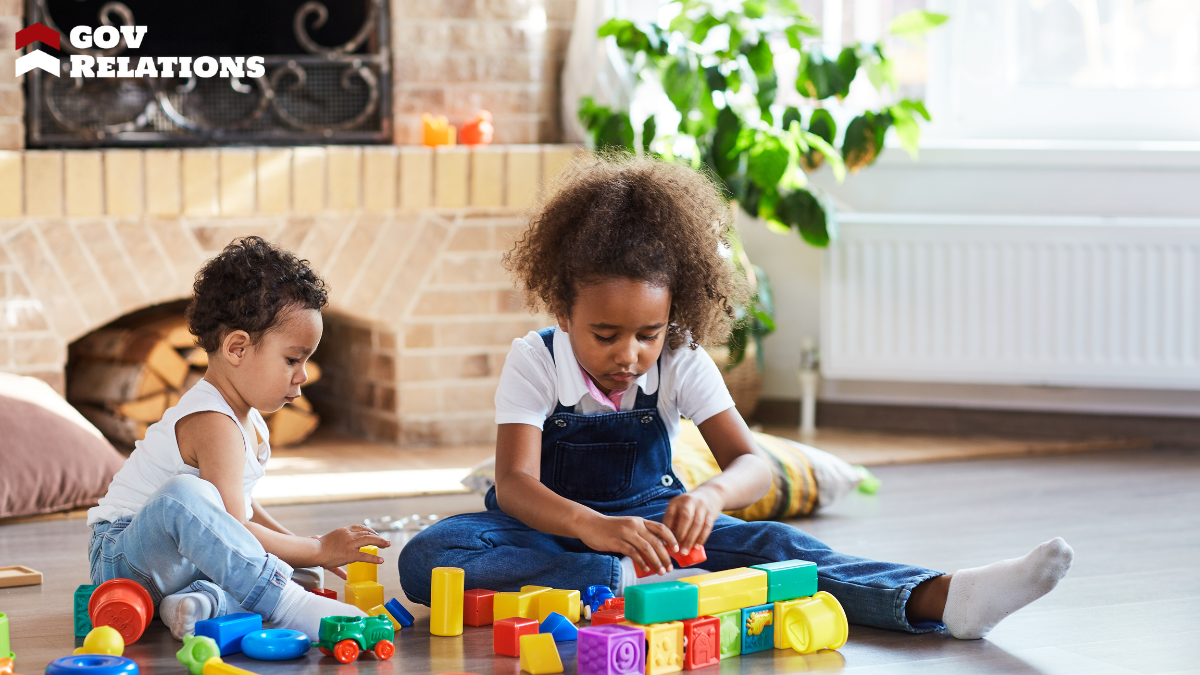
While some might argue that siblings provide essential socialization opportunities, raising an only child offers its own distinct advantages.
We recognize the concern about social skills, but let's explore how only children can thrive socially.
- Quality over quantity: Only children often form deeper connections with peers outside their family. They learn to value friendships and develop strong interpersonal skills.
- Adult interaction: With more exposure to adult conversations, only children can mature faster in communication and problem-solving, giving them a social edge.
- Focused social activities: Parents of only children can invest more time and resources in enrolling them in various social activities, enhancing their socialization experiences.
Balancing Work and Family Life
Balancing work and family life is a challenge we all face, but it can be particularly nuanced for parents of an only child. We often feel the pressure to excel professionally while ensuring our children get the attention and opportunities they need.
Without siblings, our child may rely more on us for companionship and engagement, heightening our sense of responsibility. This unique dynamic requires us to manage our time effectively, carving out moments for quality family interactions amidst busy schedules.
We might find ourselves strategizing ways to integrate work commitments with family activities, seeking a harmony that benefits everyone.
Let's remember that it's essential to communicate openly with our partners and children, ensuring we foster a supportive environment where everyone thrives.
The Role of Cultural and Societal Expectations
Cultural and societal expectations greatly influence how we perceive our roles as parents of a single child. These expectations shape our decisions, often making us question if we're providing enough for our children.
We face unique pressures, and understanding them is essential for our happiness and satisfaction as parents. Here are three ways these expectations impact us:
- Family Size Norms: Society often celebrates larger families, making us feel our choice might be inadequate.
- Social Skills Concerns: There's a belief that only children might struggle with social skills, adding pressure to guarantee our child is well-rounded.
- Resource AllocationThe process of assigning and distributing resources, including personnel, funds, and equipment, to v...: We're expected to provide more resources and attention to a single child, sometimes leading to heightened expectations of success.
Coping With the Pressures of Parenting an Only Child

Despite the unique pressures we face as parents of an only child, there are effective strategies to cope with these challenges and foster a fulfilling family life.
First, let's embrace the opportunity to create deep, meaningful connections with our child. Spending quality time together strengthens our bond and reassures them of our unwavering support.
Second, we should seek support from other parents, sharing experiences and advice that can be invaluable. This community provides comfort and reminds us we're not alone.
Third, establishing boundaries helps create a balanced environment, preventing feelings of being overwhelmed.
Finally, let's encourage our child to develop diverse friendships and interests outside the home. This helps them build social skills and fosters independence, easing our concerns.
Long-term Implications for Parents and Children
As we consider the long-term implications of raising an only child, it's important to acknowledge how our parenting decisions shape their development and our family dynamics.
We often worry about their social skills, independence, and our own future. Let's explore these concerns:
- Social Skills: Only children might miss daily sibling interactions, but they can excel in adult communication and form deep friendships outside the home.
- Independence: They often learn to entertain themselves, fostering creativity and self-reliance, but they may also feel pressure to meet our expectations.
- Our Future: Without siblings to share parental care responsibilities, we might worry about being a burden.
However, having a close bond can mean mutual support as we age.
Understanding these dynamics helps us navigate our unique journey.
Conclusion
In our exploration of single-child families, we've found that parents often experience increased happiness due to fewer financial pressures and more quality time with their children. The ability to focus attention and build a strong emotional bond can lead to greater parental satisfaction. While societal expectations and socialization concerns exist, many parents feel they can balance work and family life more effectively. Ultimately, each family's happiness depends on their unique circumstances and values.




