You're wondering if there are specific disaster relief grants for farmers, and you're in the right place. These grants can be a lifeline for those hit hard by natural disasters, offering financial aid to bounce back. But how do you know if you qualify or where to start the application process? Understanding these details could make all the difference in your recovery journey. Let's explore what's available and how it can benefit you.
Key Takeaways
- Disaster relief grants specifically target farmers facing crop and livestock losses.
- Grants are available for rebuilding farm infrastructure damaged by natural disasters.
- Emergency conservation grants help farmers implement recovery measures post-disaster.
- Farmers in federally declared disaster areas may qualify for tailored financial support.
- Eligibility requires proof of disaster impact and significant financial losses.
Understanding the Importance of Disaster Relief for Farmers

Disaster relief serves as a significant lifeline for farmers facing the devastating impacts of natural disasters. When floods, droughts, or hurricanes strike, your crops and livestock can suffer greatly, jeopardizing your livelihood.
You might wonder why disaster relief is important. It helps you recover faster by providing immediate support, reducing financial losses, and enabling you to rebuild. Without it, you could struggle to regain stability, affecting your ability to produce food and sustain your community.
Understanding disaster relief's importance means recognizing its role in maintaining agricultural productivity and economic stability. When relief efforts are timely and effective, they help you bounce back, ensuring food securityCriteria ensuring that the project addresses issues related to food access, nutrition, and sustainab... and protecting rural economies.
It’s crucial to appreciate how these measures support you and your fellow farmers through challenging times.
Types of Disaster Relief Grants Available to Farmers
While natural disasters can be unpredictable, you can rely on several types of disaster relief grants to help you recover and rebuild.
These grants can make a significant difference by providing financial support tailored to the needs of farmers facing hardship.
For instance, some grants focus on:
- Crop and Livestock Losses: These grants compensate you for the loss of crops and livestock, helping to ease the financial burden and support replanting or restocking efforts.
- Infrastructure Repair: You can access funds for repairing or rebuilding essential farm infrastructure like barns, fences, and irrigation systems.
- Emergency Conservation: Grants may also be available to assist with soil erosion control and water conservation measures after a disaster.
Understanding these options can empower you to take proactive steps toward recovery.
Eligibility Criteria for Farmers Seeking Disaster Relief Grants
To qualify for disaster relief grants, you must meet specific eligibility criteriaThe specific requirements and conditions that applicants must meet to qualify for a grant. tailored to the unique challenges farmers face.
First, your farm should be located in a federally declared disaster area. This declaration guarantees the event's severity and your need for assistance.
You must also provide evidence of the disaster's impact on your operations, such as damaged crops or infrastructure. Financial documentation is essential, demonstrating that your losses exceed a certain percentage of your expected income.
Additionally, confirm that you're actively engaged in farming, with a history of production and sales. Some grants may have additional criteria, like farm size or specific crop types.
Understanding these requirements helps guarantee you're ready when seeking aid.
How Farmers Can Apply for Disaster Relief Grants
Having understood the eligibility criteria, you're now ready to explore how to apply for disaster relief grants.
Start by gathering all necessary documents, like proof of farm ownership and damage assessments. These are essential for demonstrating your need.
Next, research the specific grantA sum of money given by a government or other organization for a particular purpose, usually without... programs available. Different grants may have varying requirements and deadlines. Make sure you understand them fully to increase your chances of success.
Finally, submit your application, ensuring all sections are completed accurately and thoroughly.
Remember these steps:
- Gather Documentation: Collect evidence of farm ownership and damage.
- Research Grants: Identify and understand grant options and deadlines.
- Submit Application: Complete all sections accurately and thoroughly.
Success Stories: How Disaster Relief Grants Have Helped Farmers Rebuild
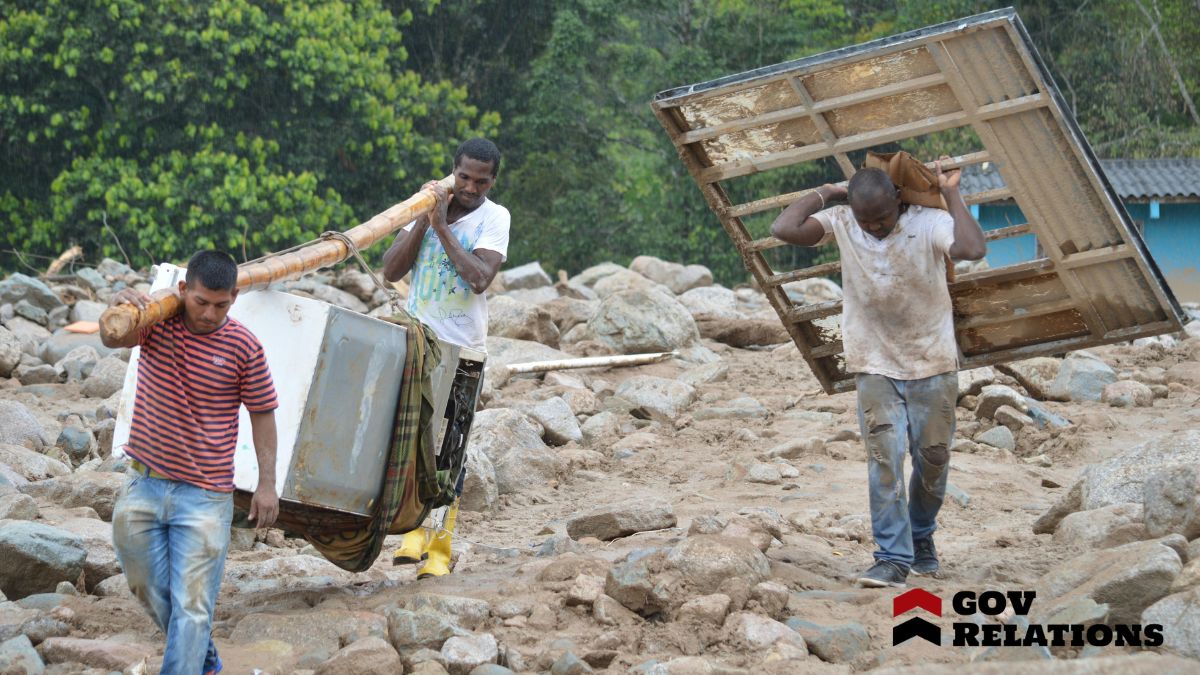
Though the journey to recovery can be challenging, countless farmers have transformed their fortunes through disaster relief grants. You might find inspiration in stories like that of the Smith family, who rebuilt their barn after a devastating tornado. With grant funding, they not only restored their structure but also upgraded their equipment, boosting productivity.
Consider the case of Maria Lopez, who faced severe drought. With a relief grant, she invested in efficient irrigation systems, saving her crops and sustaining her livelihood.
Each story highlights the impact of targeted aid, empowering farmers to bounce back. It's not just about survival; it's about rebuilding stronger.
These grants provide hope and resources, allowing you to overcome setbacks and foster resilience in your farming endeavors.
Conclusion
In steering through the aftermath of natural disasters, you can benefit greatly from disaster relief grants specifically designed for farmers. These grants offer essential financial support to help you recover crop and livestock losses, repair critical infrastructure, and implement necessary conservation measures. By understanding the eligibility criteria and application process, you can access these funds to restore your farm's stability and productivity. Many farmers have successfully rebuilt their livelihoods through these grants, and you can, too.