You're wondering if disaster relief grants can be used to repair septic systems. It's an important question, especially if your home has been hit by a natural disaster. These grants could be a lifeline, helping you restore essential functions like wastewater management. But how do you know if you're eligible, and what steps should you take to apply? Understanding the process could be the key to getting the help you need.
Key Takeaways
- Disaster relief grants can be used for septic system repairs if the damage is disaster-related.
- Eligibility often requires the property to be in a federally declared disaster zone.
- Homeowners must provide documentation proving septic system damage from the disaster.
- GrantA sum of money given by a government or other organization for a particular purpose, usually without... funds may be limited, requiring homeowners to cover additional repair costs.
- Application processes typically require proof of ownership and financial need documentation.
Understanding the Role of Septic Systems in Communities
Although they often go unnoticed, septic systems play an essential role in maintaining public health and environmental quality within communities. You mightn't realize it, but these systems treat and dispose of domestic wastewater right on your property, preventing harmful contaminants from entering local water bodies.
By breaking down waste and filtering water, septic systems protect groundwater quality, which is vital for drinking water and ecosystem health.
In your community, understanding how a septic system works can help you appreciate its significance. It consists of a tank where solids settle and decompose, and a drain field that filters wastewater naturally through soil.
Proper maintenance is key to preventing failures and costly repairs. Regular inspections and pumping can guarantee your system functions effectively, safeguarding your environment and health.
The Impact of Disasters on Septic System Functionality
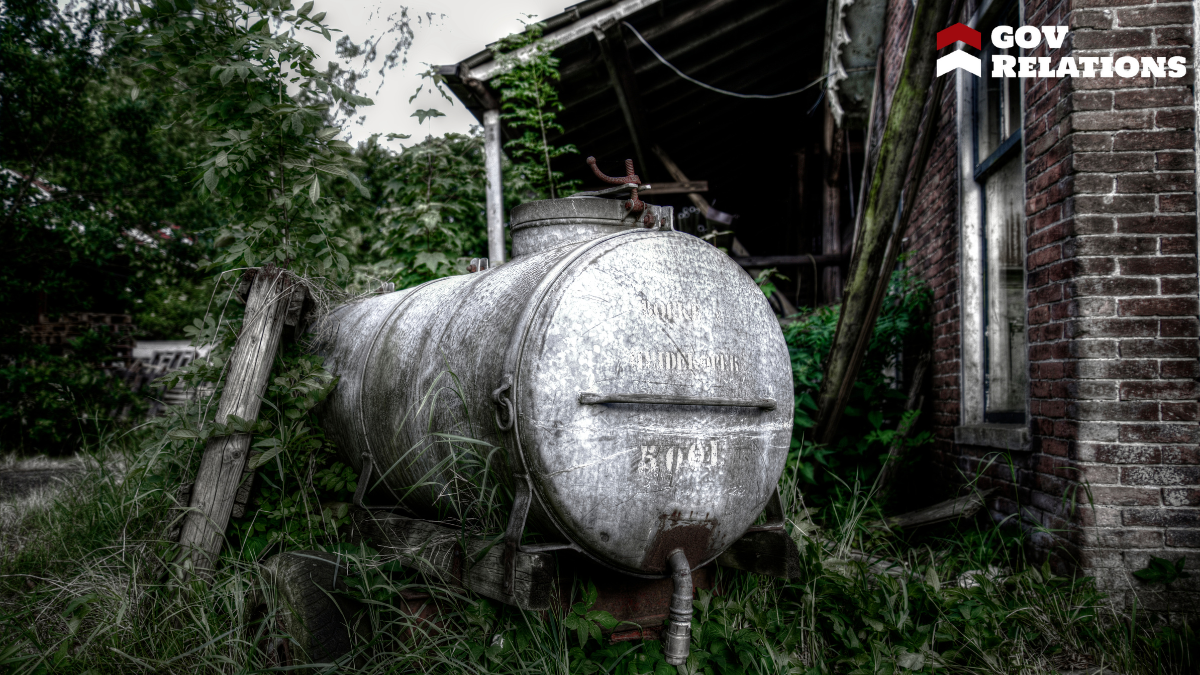
When a disaster strikes, your septic system can face significant challenges, from flooding that causes failures to earthquakes that damage the infrastructure.
You'll also need to take into account how power outages might result in backups, creating further complications.
Understanding these impacts helps you prepare and respond effectively to protect your system.
Flooding and Septic Failures
Flooding poses a significant threat to the functionality of septic systems, as excess water can overwhelm the system, leading to failures.
When heavy rains or rising waters inundate your area, your septic tank can fill with water, reducing its ability to process waste. This waterlogged condition might cause sewage to back up into your home or yard, creating unsanitary conditions and potential health risks.
You should monitor your septic system closely during flood events. Be cautious about using water-intensive appliances, as the system's capacity is already stretched.
If you notice slow drains or unusual odors, these are signs of trouble. Address them promptly to prevent further damage.
Understanding these risks helps you respond effectively and maintain your system's integrity.
Earthquake-Induced System Damage
Just as flooding can threaten your septic system, earthquakes pose their own unique risks.
When the ground shakes, your septic tank and its components might shift or crack, leading to leaks or system failures. If the pipes that connect your home to the septic tank break, it can cause sewage to back up into your home or escape into the environment.
You might notice unpleasant odors, soggy spots in your yard, or even slow drainage. These are signs that your system has been compromised.
It's essential to inspect your septic system after an earthquake to identify any damage early on. Addressing these issues promptly can prevent more significant problems and guarantee your septic system functions efficiently again.
Power Outages and Backups
Although often overlooked, power outages during disasters can severely impact your septic system's functionality. Without electricity, pumps and other components can't operate, leading to backups and overflows.
If your home relies on an electrically powered pump to move wastewater, a power outage can cause immediate issues. This can result in untreated sewage backing up into your home or yard, posing health risks and environmental concerns.
You should know that even if your system doesn't rely on electricity, prolonged outages can still affect it. Heavy rains or flooding, common during disasters, can saturate the drain field, preventing proper drainage.
Regular maintenance and having a backup plan, like a generator, can mitigate these risks and guarantee your septic system continues to function effectively.
Overview of Disaster Relief Programs
When natural disasters strike, understanding the variety of disaster relief programs available can greatly impact recovery efforts. You’ll find that these programs come from different sources, such as federal, state, and local governmentsMunicipal or county governments that provide grants and funding for community projects and services...., as well as non-profit organizations. They’re designed to help individuals, families, and communities rebuild and recover from damages caused by events like hurricanes, floods, and wildfires.
Federal aid may include grants and loans provided by agencies like FEMA and the Small Business Administration.
State and local programs often complement federal assistance, offering additional resources tailored to specific regional needs. Non-profit organizations also play an essential role, providing support through funding, supplies, and volunteer services.
Eligibility Criteria for Grant Assistance
Understanding the eligibility criteriaThe specific requirements and conditions that applicants must meet to qualify for a grant. for grant assistance can greatly enhance your access to disaster relief funds. To qualify, you must prove that your septic system damage directly results from a natural disaster.
Check if your area has been declared a disaster zone by the government. You might need to demonstrate financial need, showing limited income or resources to cover repair costs. Homeowners are typically the primary recipients, so owning your property is essential.
Be prepared to provide relevant documentation, like proof of residency and property ownership. Different programs have varying criteria, so it's important to review each one carefully.
Keep in mind, grants are often prioritized for primary residences, so make sure your application reflects this status.
Steps to Apply for Septic System Repair Grants
After ensuring you meet the eligibility criteria for disaster relief grants, it's time to tackle the application process for septic system repair assistance.
First, gather essential documents like proof of income, property ownership, and any damage assessments. You'll need these to support your application.
Next, identify the agency or organization offering the grants. This might be a local government office or a state agency. Check their website or contact them directly for specific application forms and instructions.
Fill out the application formA standardized document that applicants must complete and submit as part of the grant proposal, ofte... thoroughly, ensuring all information is accurate. Include any required documentation. Missing details can delay your application.
Finally, submit your application within the specified deadline. Keep a copy for your records. Stay proactive and follow up if you don’t hear back in a reasonable timeframe.
Navigating the Application Process
When you're ready to apply for a disaster relief grantFinancial assistance provided to support recovery and rebuilding efforts following a natural disaste..., start by understanding the eligibility criteria to guarantee you qualify.
Gather all necessary documents using a checklist to avoid missing any vital paperwork. This preparation will make the application process smoother and increase your chances of securing the grant.
Eligibility Criteria Overview
Before diving into the application process for disaster relief grants related to septic systems, it’s vital to know the eligibility criteria that can determine your qualification.
Understanding these criteria will save you time and effort:
- Location: Your property must be in a federally declared disaster area. Confirm this status by checking official announcements or government websites.
- Ownership: You need to own the property where the septic system is located. Renters are typically not eligible for these grants.
- Damage Assessment: Demonstrating that damage to your septic system was directly caused by the disaster is significant. Documentation supporting this claim may be required.
- Income Requirements: Some programs may consider your income level, specifically targeting low to moderate-income households to prioritize assistance.
Familiarize yourself with these requirements to streamline your application process effectively.
Required Documentation Checklist
Understanding the eligibility criteria is just the beginning. To successfully navigate the application process for disaster relief grants, you'll need an extensive documentation checklist.
Start by gathering proof of property ownership, such as a deed or mortgage statement. You'll also need to provide documentation of septic system damage, including photos and professional assessments. Don't forget to include personal identification, like a driver's license or passport.
Next, compile any insurance documents, especially those detailing coverage and claims related to the disaster. Financial records, such as recent tax returns and pay stubs, may be necessary to demonstrate financial need.
Finally, fill out the grant application accurately and completely. Double-check all entries for errors. Having these documents ready will streamline your application process and increase your chances of success.
Success Stories: Communities That Have Benefited
Although disaster relief grants often focus on immediate recovery efforts, they’ve also paved the way for long-term improvements in communities, particularly through the enhancement of septic systems.
You can see this positive impact in various areas where grants have helped transform lives. Let’s explore some success stories:
- Rural Town Revitalization: A small rural town used grants to upgrade outdated septic systems, improving sanitation and community health.
- Coastal Community Recovery: Following a hurricane, a coastal community repaired their septic systems, preventing future contamination of essential waterways.
- Suburban Area Enhancement: A suburban neighborhood invested grant funds into modern septic solutions, increasing property values and attracting new residents.
- Underserved Region Support: In an underserved region, grant assistance provided access to reliable septic systems, enhancing overall quality of life.
These stories showcase how strategic use of disaster relief grants can foster enduring benefits.
Challenges and Considerations for Homeowners

While disaster relief grants have clearly brought about significant improvements, homeowners face several challenges and considerations when upgrading septic systems.
First, steering through the application process can be overwhelming. You’ll need to gather various documents, from proof of damage to financial records, to qualify.
Once approved, selecting a reliable contractor is essential. Not all contractors have the necessary experience with septic systems. It's important to research and check references.
Additionally, the costs can exceed grant amounts, leaving you to cover the difference. Planning for potential out-of-pocket expenses is wise.
Timing is another issue; repairs can’t always wait for grant approval. You must also consider local regulations and permits, as these can impact timelines and costs.
Being prepared helps you manage these challenges effectively.
Conclusion
In summary, you can absolutely use disaster relief grants to repair your septic system if it’s been damaged by a natural disaster. These grants are an essential resource for helping you restore vital infrastructure. Make sure you document the damage thoroughly and check if your area is a federally declared disaster zone. By following the application process and meeting eligibility criteria, you’ll be well on your way to securing the financial support you need.