In Texas, we can't use EBT to purchase McDonald's meals because the state doesn't participate in the Restaurant Meals Program (RMP), which typically allows such purchases in certain regions. The RMP is designed to assist those who are elderly, disabled, or homeless and unable to prepare meals at home, but Texas isn't one of the participating states for fast food options like McDonald's. Instead, EBT in Texas focuses on purchasing groceries at approved stores to guarantee nutritional needs are met. Let's explore other options and guidelines around EBT usage that might surprise you.
Key Takeaways
- Texas does not participate in the Restaurant Meals Program (RMP) for using EBT at fast-food restaurants like McDonald's.
- EBT in Texas is generally limited to purchasing grocery items, not hot or prepared meals.
- EBT usage at McDonald's requires state participation in RMP, which Texas currently lacks.
- Verify local program details through the Texas Health and Human Services Commission for any updates.
- Alternatives include using EBT at grocery stores for eligible food items.
Understanding EBT and SNAP
EBT, or Electronic Benefits Transfer, is a system that allows recipients of government assistance programs, like SNAP (Supplemental Nutrition Assistance Program), to access their benefits using a card similar to a debit card. It can be complex to navigate these systems, so let's break it down.
The SNAP program provides financial aid to assist low-income individuals and families in buying food. When we utilize our EBT card at approved retailers, funds are deducted directly from our SNAP accounts, making purchases simple and secure.
However, we must keep in mind that SNAP benefits come with specific restrictions. We can use them to purchase eligible food items such as fruits, vegetables, meats, dairy products, and bread. Yet, they can't be used for non-food items, alcohol, tobacco, or hot prepared meals in most cases. Understanding these limitations helps us plan our shopping trips better and ensure our benefits are spent wisely.
It's crucial to acknowledge that each state may have slight variations in how they implement SNAP and EBT. In Texas, for example, specific rules and participating retailers may vary, so it's a good idea for us to stay informed about local guidelines. This awareness empowers us to make the most of our benefits.
Overview of the Restaurant Meals Program
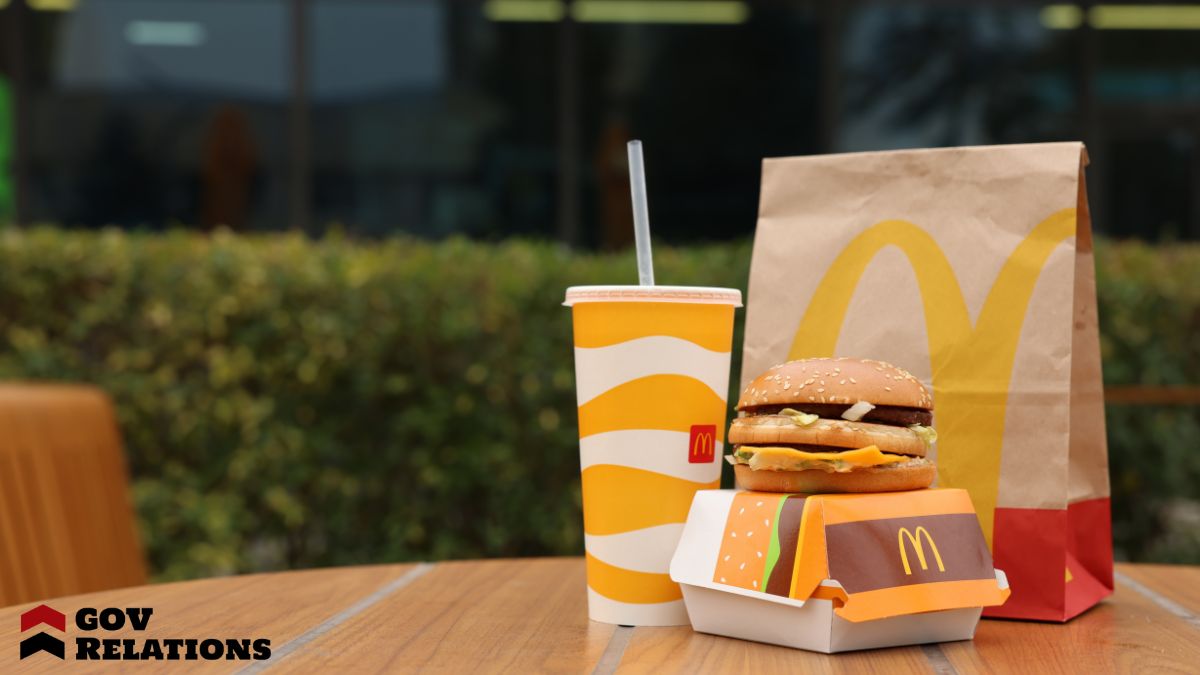
Let's explore the Restaurant Meals Program, which allows specific groups to use their EBT benefits at participating eateries.
We'll look at who qualifies, check out the restaurant options, and see the advantages this program offers.
Understanding these aspects helps us see how the program supports those in need.
Eligible Participants Explained
Understanding who qualifies for the Restaurant Meals Program (RMP) is crucial for those interested in using their EBT cards at McDonald's in Texas. The RMP is designed to assist individuals who may not have the means or ability to prepare meals at home. Primarily, it targets specific groups like the elderly, disabled, and homeless. We must recognize that not everyone with an EBT card is automatically eligible; instead, these particular groups are prioritized due to their unique challenges.
For elderly participants, the age requirement is typically 60 years or older. Disabled individuals must be receiving disability benefits, which confirms their status. Homeless individuals, defined as lacking a fixed and regular nighttime residence, can also qualify. These criteria ensure that those who truly require the program's support can access it.
Participating Restaurants List
Browsing the list of participating restaurants in the Restaurant Meals Program (RMP) is necessary for those of us looking to use EBT benefits at McDonald's in Texas. The RMP allows specific individuals to purchase hot, prepared meals using their EBT cards, and understanding which restaurants participate can save us a lot of guesswork and effort.
The Restaurant Meals Program is designed to assist those who mightn't have access to cooking facilities or the ability to prepare meals for themselves, such as the elderly, disabled, or homeless. Since not all restaurants participate, it's important to know where we can use our benefits. Each participating restaurant, including McDonald's locations, will have signage indicating their acceptance of EBT for eligible items under the program.
Unfortunately, the availability of McDonald's accepting EBT within Texas under the RMP is limited. The program itself isn't statewide, so only certain areas and restaurants participate. It's best to check with local authorities or online resources to see if the McDonald's near us is part of this program. Staying informed guarantees, we can make the most of the benefits available to us.
Program Benefits Highlighted
The Restaurant Meals Program (RMP) offers significant benefits for those of us who face challenges in meal preparation due to lack of access to kitchen facilities or other personal circumstances. By allowing us to use our EBT cards at participating restaurants, RMP guarantees that we're still able to enjoy nutritious meals without the need for a traditional kitchen setup. This is particularly essential for individuals who are homeless, elderly, or disabled, as it provides a dependable source of nourishment.
The program's flexibility is one of its greatest advantages. We don't have to worry about the limitations of a kitchen or the time it takes to prepare a meal from scratch. Instead, we can focus on enjoying a hot, prepared meal that meets our dietary needs and preferences.
Additionally, RMP fosters a sense of dignity and independence because we can choose from a variety of meal options at participating eateries, just like anyone else.
McDonald's Participation in RMP
McDonald's participation in the Restaurant Meals Program (RMP) is an essential topic for those of us relying on EBT benefits in Texas. As we navigate our options, it's important to understand how this fast-food giant fits into the program. The RMP allows certain individuals to purchase prepared meals with their EBT cards, and McDonald's is often a preferred choice due to its widespread presence and affordable menu. Let's break down the basics of McDonald's involvement:
- Availability: Not all McDonald's locations participate in the RMP, so it's significant to find out which ones do in our area. This varies by region and local regulations.
- Menu Options: When visiting a participating McDonald's, we need to know that not all menu items may be available for purchase with EBT. Typically, only specific meals that fit the program's criteria are eligible.
- Payment Process: Using EBT at McDonald's involves a simple process. We simply need to inform the cashier we're using EBT and make sure our selection is eligible under the program.
- Awareness: Staying informed about changes in McDonald's participation helps us make the best use of our EBT benefits effectively.
Eligibility for RMP in Texas
Understanding eligibility for the Restaurant Meals Program (RMP) in Texas is key for those of us who depend on EBT benefits. This program allows certain individuals to purchase meals at participating restaurants using their EBT card. However, not everyone qualifies for this program.
In Texas, eligibility is generally limited to individuals who are unable to prepare meals at home. This includes seniors, people with disabilities, and homeless individuals.
To determine if we qualify, we need to assess our circumstances based on these criteria. For seniors, being 60 years or older might make us eligible. Those of us with disabilities would need documentation proving our condition hinders meal preparation. If we're homeless, lacking a fixed nighttime residence could qualify us.
Even if we fit one of these categories, it's important to check with local authorities or the Texas Health and Human Services Commission. They can provide detailed guidance on the RMP and confirm our eligibility. Remember, while qualifying for the RMP can be a relief, it's essential to follow the state's specific requirements to access this benefit legally and effectively.
How RMP Works
Let's explore how the Restaurant Meals Program (RMP) functions to assist eligible individuals in Texas.
We'll look at the eligibility criteriaThe specific requirements and conditions that applicants must meet to qualify for a grant., guide you through participating locations, and highlight the benefits for recipients.
Understanding these aspects will help us effectively navigate EBT at places like McDonald's.
Eligibility Criteria Overview
Exploring the Restaurant Meals Program (RMP) can seem overwhelming, but understanding its eligibility criteria is crucial for anyone hoping to use their Electronic Benefit Transfer (EBT) card at McDonald's in Texas. The RMP is designed to assist those who mightn't have the means to prepare meals at home. Let's break down the eligibility criteria for this program to see if we qualify.
- Age Consideration: We must be either elderly, defined as 60 years or older, or disabled, as recognized by specific governmental standards.
- Homelessness: If we're homeless, we might be eligible. This includes individuals without a fixed residence or those temporarily residing in shelters.
- Household Members: Our entire household must be eligible for the RMP, meaning all members must meet the required criteria.
- State Participation: Importantly, not all states participate in the RMP. We need to confirm Texas's involvement and any specific state regulations.
Understanding these criteria helps us determine if we can use our EBT card at McDonald's. Let's make sure we meet these requirements before exploring the next steps in the process.
Participating Locations Guide
Exploring the terrain of participating locations is a fundamental step in utilizing the Restaurant Meals Program (RMP) with our EBT card at McDonald's in Texas. To navigate this effectively, we need to grasp how the program works.
The RMP is designed to help eligible individuals, such as seniors, people with disabilities, or those experiencing homelessness, access hot meals from approved restaurants. However, not every McDonald's location participates in the program, so it's important to identify which ones do.
To find participating locations, we can start by contacting our local SNAP office or visiting their official website for a list of approved McDonald's restaurants. It's also beneficial to keep an eye out for signs at the restaurant itself, as participating locations often display notices indicating they accept EBT for the RMP.
Before we head out, let's make sure to confirm the specific McDonald's location accepts EBT by calling ahead. This saves us time and guarantees our visit will be successful. By taking these steps, we can confidently enjoy a meal at participating McDonald's using our EBT card without unnecessary hassle or confusion.
Benefits for Recipients
Understanding the benefits of the Restaurant Meals Program (RMP) for recipients is essential to making the most of our EBT cards at participating McDonald's locations. The RMP is designed to ensure that those who might struggle to prepare meals at home still have access to nutritious and affordable food options. Let's dive into how the program works and the advantages it offers us.
- Convenience: For those of us who mightn't have the means or ability to cook, the RMP provides a convenient way to access prepared meals. With participating restaurants, we can enjoy meals without the hassle of cooking or cleaning.
- Accessibility: The RMP helps individuals who are homeless, elderly, or disabled access food options that might otherwise be out of reach. We can find participating McDonald's locations where these options are available.
- Variety: By allowing us to purchase meals from McDonald's, the program offers a range of choices to suit different tastes and dietary needs, ensuring that everyone can find something they enjoy.
- Dignity: Using EBT at places like McDonald's allows us to dine out like anyone else, helping to maintain a sense of normalcy and dignity in our daily lives.
Alternatives to McDonald's for EBT
When it comes to using EBT benefits beyond fast-food chains like McDonald's, there are several options we can consider that provide nutritious and satisfying meals. Grocery stores are a primary choice, offering a wide array of fresh produce, dairy, meats, and grains. These ingredients allow us to prepare diverse meals at home, ensuring better control over nutrition and portion sizes. Shopping wisely, we can stock up on essentials like rice, beans, and vegetables, which form the base of many healthy dishes.
Farmers' markets also present a fantastic alternative. Many accept EBT and offer Double Up Food Bucks, doubling the value of our benefits for fresh fruits and veggies. This not only supports local farmers but also lets us enjoy seasonal, fresh produce at a lower cost. Cooking with fresh ingredients can be more rewarding and cost-effective in the long run.
Lastly, some community-supported agriculture (CSA) programs accept EBT. By subscribing, we can receive regular boxes of farm-fresh produce directly from local growers. These alternatives not only help us stretch our benefits further but also encourage healthier eating habits while supporting the community. Embracing these options makes our EBT benefits work harder for us.
Fast-Food Options With EBT
Browsing the fast-food options available for EBT users can be a bit tricky, but it's certainly possible in certain states. While Texas doesn't allow EBT usage at fast-food restaurants like McDonald's, there are programs in other states that do. These programs are designed to help those who might lack access to a kitchen or the ability to cook.
Let's explore some basic options where EBT can be used:
- Restaurant Meals Program (RMP): This is available in a few states, allowing EBT usage at approved restaurants. Unfortunately, Texas isn't one of them, but states like California and Arizona participate.
- Hot Foods Purchase: During disaster situations, some states allow EBT cardholders to buy hot foods. It's a temporary measure but can be quite helpful.
- Farmer's Markets: While not fast food, many markets accept EBT, offering fresh produce that can be quickly prepared.
- Grocery Store Deli Sections: Some grocery stores allow EBT purchases at their deli counters for cold, prepared foods.
Understanding these options helps us navigate the landscape of EBT usage and find ways to make it work, even if fast-food choices are limited.
Applying for EBT in Texas
Applying for EBT in Texas is a straightforward process that can provide essential assistance to those in need. First, we need to determine if we're eligible. EBT, or Electronic Benefits Transfer, is part of the Supplemental Nutrition Assistance Program (SNAP)A federal aid program that provides food-purchasing assistance for low- and no-income individuals an..., which helps low-income individuals and families. Eligibility is based on factors like income, household size, and certain expenses. We can find detailed eligibility criteria on the Texas Health and Human Services website.
Once we've confirmed eligibility, we can apply online through YourTexasBenefits.com, which is convenient and user-friendly. The site guides us through the application process, ensuring we provide all necessary information. Alternatively, we can apply by mail or in person at a local Health and Human Services office. It's important to gather required documents, such as proof of income, identification, and residency, to expedite processing.
After submitting our application, we'll receive a notification regarding the status of our benefits. If approved, we'll get an EBT card, which works like a debit card and can be used at authorized retailers. Remember, applying for EBT is just the first step in accessing valuable support for our food needs.
Common Misconceptions on EBT Use
Let's clear up some common misconceptions about using EBT at restaurants like McDonald's in Texas.
Many people think EBT can be used at any fast-food place or for hot meals, but that's not entirely true. Each state has specific rules, so it's crucial for us to grasp what the Texas guidelines actually allow.
Limited Restaurant Eligibility
When it comes to using EBT cards at restaurants like McDonald's in Texas, misunderstandings about eligibility often arise. It's crucial to clarify that the Supplemental Nutrition Assistance Program (SNAP) typically restricts the use of EBT cards to purchasing eligible food items for home preparation and not at restaurants. There are exceptions in some states through the Restaurant Meals Program (RMP), but Texas isn't one of them.
Let's break down some common misconceptions:
- Universal Acceptance: Many assume that all fast-food chains accept EBT, but in reality, only certain locations in states with RMP allow it.
- State-Specific Rules: Each state has its own rules about EBT use, so what might be possible in one state isn't necessarily so in another. Texas, for instance, doesn't participate in the RMP.
- Restaurant Eligibility: Not all restaurants in RMP states accept EBT. Only approved ones do, typically those offering affordable meals.
- Program Variability: Just because a restaurant accepts EBT in one location, it doesn't mean all their locations do. Participation can vary widely.
Hot Food Purchases
A common misconception about EBT use is that hot food purchases are generally allowed, but that's not the case. Many of us might think it's possible to swipe an EBT card for a warm meal at our favorite fast-food restaurants, but the reality is different.
The Supplemental Nutrition Assistance Program (SNAP), which funds EBT, generally prohibits buying hot, prepared foods. This rule aims to guarantee that recipients spend their benefits on groceries that can be cooked and eaten at home.
It's important to recognize that the restriction on hot foods stems from the program's intention to support nutritional needs in a cost-effective way. By focusing on unprepared food items, SNAP encourages recipients to budgetA detailed financial plan outlining the projected costs of the project, including personnel, equipme... wisely and make meals at home, which can stretch benefits further.
This limitation can be frustrating, especially when we're on the go or lack cooking facilities, but it's a key part of the program's design.
Understanding these guidelines helps us manage expectations and plan our food purchases accordingly. While it might seem inconvenient, knowing the rules assures that we can make informed decisions about how to best use our benefits for nutritional and financial well-being.
State-Specific EBT Rules
Understanding the complexities of state-specific EBT rules can feel overwhelming, but it's essential to grasp them to maximize our benefits. Every state has its nuances, and Texas is no exception. It's vital to clear up some common misconceptions surrounding EBT use to navigate the system effectively.
- Restaurant Meals Program (RMP): Texas doesn't participate in the RMP, which allows EBT use at restaurants. This means we can't purchase McDonald's or any other fast food with EBT in Texas. Other states might've different rules, but here, the focus is on essentials.
- Eligible Items: In Texas, EBT cards can be used for groceries but not for hot, prepared foods. It's a common misunderstanding that all food items are eligible. Only cold, unprepared items qualify under the SNAP guidelines.
- VendorAn individual or organization that provides goods or services to the project, often through a contra... Participation: Not every store accepts EBT. We need to make sure that the vendor is authorized. Generally, larger supermarkets and some smaller grocery stores participate, but it's always wise to check beforehand.
- Benefit Allocation: The EBT system is designed to assist with basic nutrition. It's vital to budget our benefits carefully throughout the month to meet our household needs.
Future of EBT at Fast-Food Chains

The future of EBT at fast-food chains is a topic gaining traction as more states explore expanding food assistance programs. As we contemplate this, understanding the potential impact on accessibility and nutrition is crucial.
Currently, only specific programs like the Restaurant Meals Program (RMP) allow EBT use at fast-food restaurants, and not all states participate. However, there's growing interest in widening this access.
We're witnessing a shift in how people view food assistance. Fast-food chains, traditionally seen as unhealthy, are responding by offering more nutritious options. If EBT were accepted more broadly at these chains, it could provide low-income families with convenient, affordable meals, especially in food deserts where healthy options are scarce.
Expanding EBT use at fast-food establishments requires careful consideration of the balance between accessibility and health. Policymakers need to address concerns about promoting unhealthy eating habits while recognizing the convenience and necessity for some families.
As discussions persist, we must advocate for thoughtful policies that ensure EBT expansion aligns with public health goals. Together, we can push for a future where everyone has access to both affordable and nutritious meals, regardless of where they live or their financial situation.
Conclusion
To wrap up, while EBT and SNAP provide essential support, using them at fast-food chains like McDonald's isn't simple in Texas due to the state's non-involvement in the Restaurant Meals Program (RMP). We should stay informed about our eligibility and available options, as misunderstandings can lead to confusion. As the future of EBT at fast-food chains evolves, let's push for broader access to affordable, nutritious meals for all. Together, we can work towards a more inclusive system.