
We often wonder how nonprofits support low-income households with their utility and energy costs. These organizations are essential in providing financial relief, energy efficiencyRequirements for projects that promote energy conservation and efficiency. programs, and collaborations with utility companiesEnergy and water companies that provide funding for community projects and sustainability initiative.... By helping families manage and reduce their energy expenses, nonprofits play a significant role in ensuring energy security for vulnerable communities. But how exactly do they make this impact, and what are the tangible benefits for those in need? Let's explore further.
Key Takeaways
- Nonprofits provide direct financial assistance to help low-income households cover utility expenses like electricity, water, and gas.
- They offer energy efficiency initiatives to reduce energy consumption and cut utility costs for low-income households.
- Nonprofits conduct workshops and outreach programs to educate communities on energy-saving practices.
- Collaborations with utility companies help nonprofits offer bill assistance and access to energy-saving devices.
- Nonprofits measure their impact by collecting data on utility cost reductions and household satisfaction.
The Role of Nonprofits in Addressing Energy Insecurity
While energy insecurity remains a pressing issue for many low-income households, nonprofits play an essential role in mitigating its impact. We find that these organizations offer various services to ease the burden of high utility costs. They provide information on energy-saving practices, helping families reduce consumption and costs.
By conducting workshops and outreach programs, nonprofits empower communities with knowledge and tools necessary for energy efficiency.
Moreover, they often partner with utility companies and government agencies to facilitate access to resources like weatherization assistance, which improves home energy efficiency.
Through these efforts, nonprofits not only address immediate needs but also contribute to long-term solutions for energy insecurity. Together, we can support these initiatives to create a more sustainable and equitable energy future for all.
Direct Financial Assistance Programs for Utility Relief
Recognizing the financial strain utility bills place on low-income households, direct financial assistance programs offer critical relief. Through these programs, nonprofits can help struggling families by providing funds directly to cover electricity, water, and gas expenses.
We acknowledge the importance of having uninterrupted utility services, especially during extreme weather conditions. These programs prioritize keeping the lights on and the heating or cooling functional, ensuring families remain safe and comfortable.
Nonprofits partner with local utility companies to identify those most in need. By doing so, they streamline the process, making it easier for families to access the necessary funds quickly.
Additionally, these programs often offer flexible payment plans and emergency assistance, tailored to individual circumstances, making a significant difference in people's lives.
Energy Efficiency Initiatives and Home Weatherization
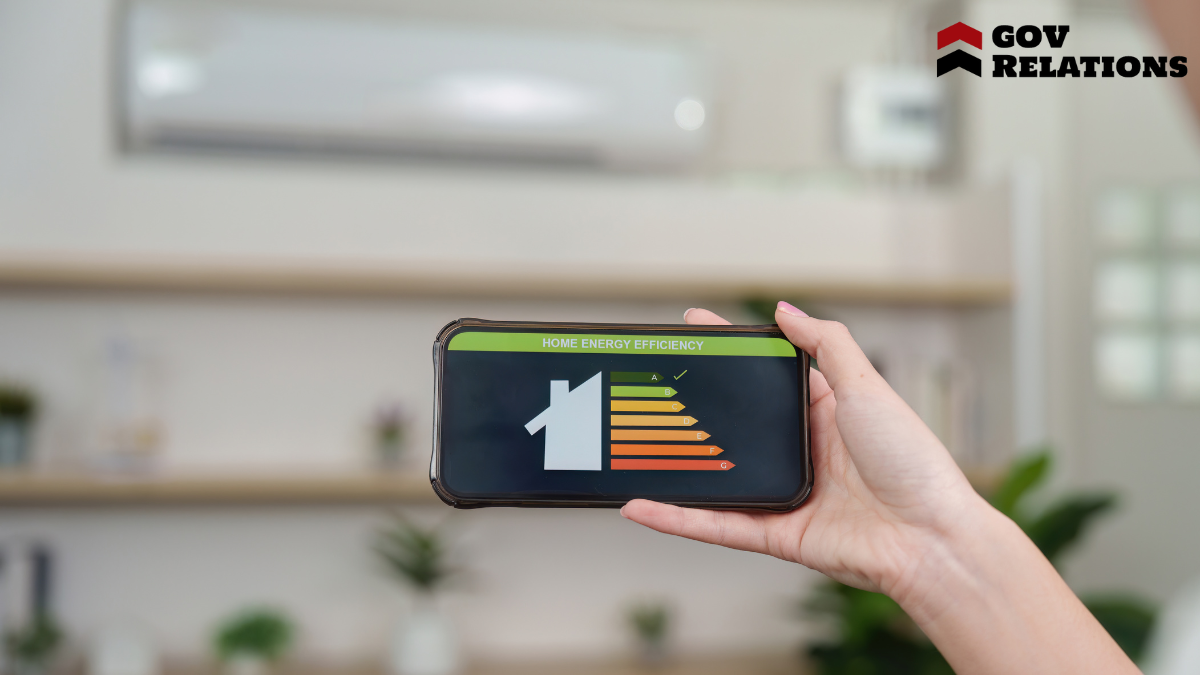
Although utility costs can strain low-income households, adopting energy efficiency initiatives and home weatherization can considerably ease that burden.
By improving the energy efficiency of our homes, we can reduce energy consumption, which leads to lower bills. Let’s focus on simple steps like sealing windows and doors, insulating attics, and using energy-efficient appliances. These changes might seem small, but they make a significant difference over time.
We should also explore weatherization programs often provided by nonprofits. These programs offer valuable resources and guidance, ensuring that homes remain comfortable and energy-efficient year-round.
Collaborations Between Nonprofits and Utility Companies
Building on the benefits of energy efficiency and weatherization, we can’t overlook the powerful impact of collaborations between nonprofits and utility companies.
These partnerships create opportunities to extend essential resources to low-income households. By working together, we can offer programs that provide bill assistance, energy-saving devices, and education on reducing consumption.
Utility companies often have the infrastructure and knowledge to implement effective solutions, while nonprofits bring a deep understanding of community needs.
By aligning these strengths, we can tailor initiatives that address both immediate financial relief and long-term energy conservation. This synergy enables us to maximize impact, ensuring that assistance reaches those who need it most.
Together, we can create sustainable solutions that empower households to manage energy costs more effectively.
Measuring the Impact of Nonprofit Interventions on Communities
To truly understand the effectiveness of our efforts, we must measure the impact of nonprofit interventions on communities. By collecting and analyzing data, we can see whether our initiatives genuinely reduce utility costs for low-income households. This involves tracking metrics like energy savings, household satisfaction, and financial relief.
We need to set clear goals and use surveys, interviews, and utility bills to gauge success. By doing so, we can identify which strategies work best and where improvements are needed.
Engaging with community members offers insights into their experiences, ensuring our interventions meet their needs. Ultimately, measuring impact not only validates our work but also guides us in refining our approaches to make a tangible difference in people's lives.
Conclusion
In addressing energy insecurity, we see the essential role nonprofits play in supporting low-income households. By offering direct financial assistance and implementing energy efficiency and weatherization programs, they help families manage utility costs. Collaborations with utility companies further enhance resource access and support. Together, we can measure the positive impact of these efforts, ensuring vulnerable communities gain improved energy security and a brighter, more sustainable future. Let's continue to support and expand these imperative initiatives.




