

When we explore how food assistance nonprofits operate, it’s like piecing together a complex puzzle. These organizations don’t just provide food; they collaborate with local food banks, farms, and community partners to guarantee access to nutritious meals. Relying on donations and a dedicated volunteer base, they tackle the immediate needs of hunger. But what about the deeper issues like poverty and unemployment? Let's uncover how they're addressing these challenges.
Key Takeaways
- Food assistance nonprofits distribute surplus food from food banks and local farms to increase food securityCriteria ensuring that the project addresses issues related to food access, nutrition, and sustainab....
- They rely on donations and fundraising to cover food purchases and operational costs.
- Volunteers sort, package, and distribute food, playing a crucial role in operations.
- Partnerships with local organizations enhance outreach and reduce food waste.
- They address root causes of hunger, like poverty, through advocacy and educational programs.
Understanding the Mission and Vision
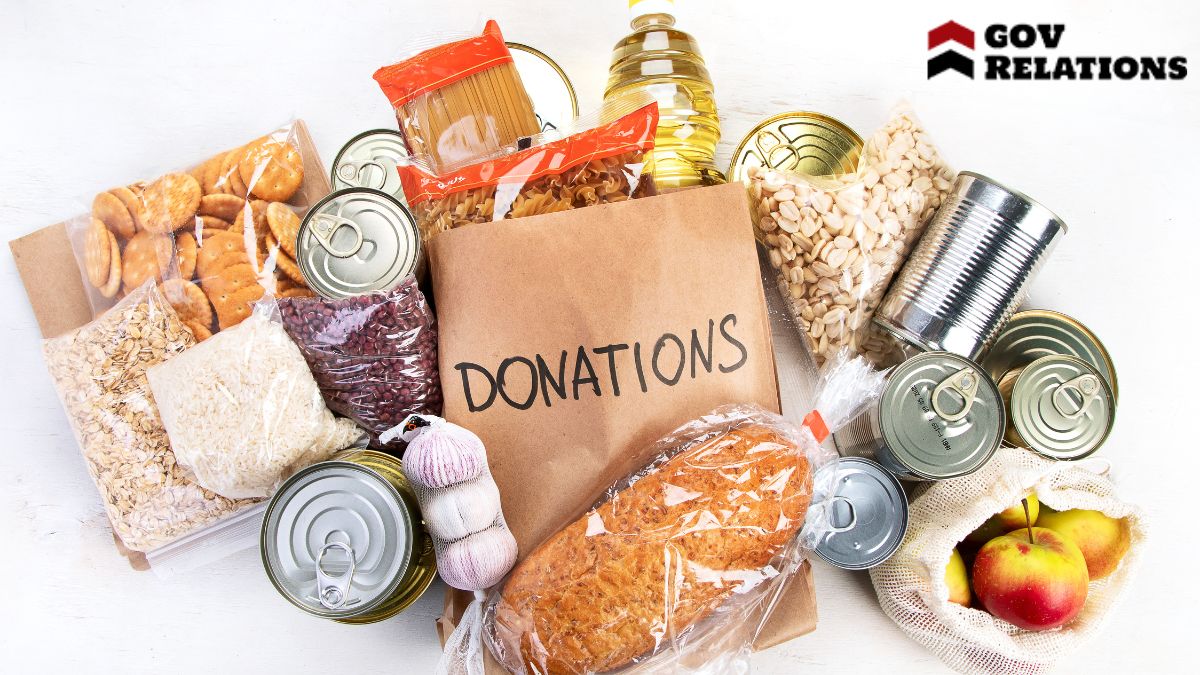
At the heart of every food assistance nonprofit lies a clear mission and vision that guide its efforts and impact. We’re driven by a commitment to alleviate hunger and improve access to nutritious food for those in need.
Our mission defines what we aim to achieve, while our vision paints a picture of the community we endeavor to create—a place where everyone has enough to eat.
We align our goals and strategies with this core purpose, ensuring that all our actions contribute to making a tangible difference.
By staying focused on our mission and vision, we’re able to maintain a coherent direction and rally support from volunteers, donors, and the community.
Understanding this foundation helps us stay committed to creating lasting change.
Partnering With Food Banks and Local Sources
Partnering with food banks and local sources is essential for maximizing our impact in the fight against hunger. By working together, we can guarantee food reaches those who need it most.
Food banks often have access to large quantities of surplus food, which we can distribute through our networks. Collaborating with local farms and food producers allows us to provide fresh, nutritious options to communities.
These partnerships strengthen our ability to respond quickly to changing needs. When we leverageThe use of borrowed capital (debt) to increase the potential return of an investment. local connections, we also support the community's economy.
It's a win-win situation: we reduce food waste while increasing food security. Through these collaborations, we’re building a more sustainable and resilient system that benefits everyone involved.
Together, we can make a significant difference.
The Role of Donations and Fundraising
While partnerships are essential, donations and fundraising play an equally important role in sustaining our nonprofit's efforts. These contributions provide the financial backbone needed to purchase food, cover operational costs, and support our programs. Without them, our reach would be greatly limited.
We rely on the generosity of individuals, businesses, and community groups who believe in our mission.
Fundraising events not only generate funds but also raise awareness and build community supportDemonstration of local community support for the project, often through letters of support or commun.... Whether it's a charity walk, auction, or online campaign, every dollar raised translates into meals for those in need.
We must continuously innovate to keep our fundraising efforts effective and engaging. By maintaining transparency and showcasing impact, we foster trust, encouraging ongoing support from our donors and the community.
Volunteer Involvement and Coordination
Engaging volunteers is the lifeblood of our nonprofit's operations. We rely on their dedication to sort, package, and distribute food to those in need. Coordination is essential to guarantee that each volunteer knows their role and feels valued.
We organize training sessions to equip them with necessary skills and knowledge. By using online platforms, we streamline scheduling and communication, making it easier for everyone to stay informed and connected.
To maintain morale and commitment, we regularly recognize their contributions and hold appreciation events. We encourage feedback, as it helps us improve the volunteer experience.
Our success depends on creating a welcoming environment where volunteers feel like part of a community, working together towards the common goal of alleviating hunger.
Innovative Programs and Initiatives
Recognizing the need for fresh approaches, we've developed innovative programs and initiatives to enhance our food assistance efforts.
One standout program is our community garden initiative, which empowers local residents to grow fresh produce. By providing workshops and resources, we help communities cultivate their own food, promoting self-sufficiency and nutritional education.
Another initiative is our mobile pantry service, designed to reach underserved areas where residents might struggle to access traditional food banks. This program guarantees food equity by bringing essential resources directly to those in need.
Additionally, we've launched a food recovery network that collaborates with local businesses to redirect surplus food to our nonprofit, reducing waste and feeding more families. These initiatives represent our commitment to dynamic, impactful solutions.
Logistics of Food Distribution
Managing the logistics of food distribution is essential to ensuring that our assistance reaches those who need it most. We must carefully plan and coordinate everything from sourcing to delivery.
First, we establish partnerships with local food banks, farms, and retailers to secure a steady supply of nutritious food. Then, we use technology to track inventory levels, allowing us to respond quickly to changing needs.
Transportation is another key element. We rely on a fleet of refrigerated trucks to maintain food quality during transit. Our volunteers and staff play important roles in efficiently packing and unloading shipments.
Finally, strategically located distribution centers help us minimize travel time and maximize reach, ensuring we serve communities effectively. This logistical precision enables us to provide reliable food assistance.
Addressing the Root Causes of Hunger
While distributing food is essential, tackling hunger requires us to address its root causes. We need to look beyond immediate needs and focus on factors like poverty, unemployment, and access to education. By understanding these issues, we can work on long-term solutions that empower individuals and communities.
Let’s consider how improving job opportunities and providing skills training can uplift families. When people have stable employment, they’re less likely to face food insecurity.
Additionally, advocating for policies that guarantee fair wages and affordable housing can create a more sustainable environment.
Education is another powerful tool. By supporting educational programs, we help break the cycle of poverty.
Together, we can create a future where everyone has the resources they need to thrive, not just survive.
Measuring Impact and Success
As we explore how food assistance nonprofits measure success, let's focus on three key areas: evaluating resource allocationThe process of assigning and distributing resources, including personnel, funds, and equipment, to v..., tracking beneficiary outcomesThe changes or benefits resulting from the project's activities, often categorized as short-term, in..., and appraising program efficiency.
By ensuring that resources are used effectively, we can maximize the positive impact on those we aim to help.
Together, we'll understand how these organizations can achieve their missions more efficiently and effectively.
Evaluating Resource Allocation
To truly comprehend the effectiveness of food assistance nonprofits, we must explore the evaluation of resource allocation, a crucial aspect that measures impact and success.
When we assess how resources like funding, food, and volunteers are distributed, we gain insight into a nonprofit's efficiency. By analyzing budgets and expenditure reports, we can determine if resources are directed toward those most in need or if adjustments are required.
We should also consider how nonprofits prioritize their resources.
Do they allocate funds to outreach, ensuring more people are aware of available services? Or do they focus on logistics, making sure the food reaches beneficiariesIndividuals or groups who directly benefit from the project's activities and outcomes. promptly?
Tracking Beneficiary Outcomes
Understanding how nonprofits allocate resources offers a glimpse into their strategic priorities, but analyzing beneficiary outcomes truly measures their impact and success. We need to ask: Are the individuals and families we're helping experiencing meaningful change?
Tracking outcomes involves collecting data on how beneficiaries' lives improve after receiving assistance. This could include reductions in food insecurity, improved nutrition, or increased self-sufficiency. By documenting these changes, we can determine if our programs are effective.
Moreover, listening to beneficiaries' stories provides qualitative insights that numbers can't capture. Are they feeling more hopeful and secure? These personal testimonials can illuminate the real-world impact of our work.
Assessing Program Efficiency
How can we guarantee our food assistance programs are running efficiently and truly making a difference? We need to measure both impact and success.
First, we should set clear objectivesSpecific, measurable goals that the project aims to achieve within a set timeframe, often linked to .... What specific changes do we want to see in our community? Once defined, let’s track progress using quantitative dataNumeric information collected through surveys, tests, and statistical methods to measure project out... like the number of meals distributed and qualitative feedback from beneficiaries.
Surveys and interviews can help us understand the broader impact on individuals’ lives. Comparing these results against our goals shows where we’re succeeding and where adjustments are needed.
Regularly reviewing this data helps us refine our strategies, ensuring resources are used effectively. By staying committed to transparency and accountability, we maintain trust with donors and the communities we serve.
Challenges Faced by Food Assistance Nonprofits

While food assistance nonprofits play an essential role in fighting hunger, they face a multitude of challenges that can hinder their efforts. Funding is a constant struggle; we rely heavily on donations and grants, which can fluctuate unpredictably. This instability makes it difficult to plan long-term strategies.
Additionally, logistical hurdles like storage and transportation complicate the efficient distribution of food. We often face shortages of volunteers, especially during non-holiday periods, which strains our resources further. Maneuvering through complex regulations and ensuring food safety standards adds layers of complexity to our operations.
Finally, raising awareness and reducing stigma around food insecurity requires ongoing community engagement. Despite these obstacles, our commitment remains steadfast, as we endeavor to provide crucial support to those in need.
Conclusion
In our journey to understand food assistance nonprofits, we've seen how collaboration, donations, and volunteer power drive their mission. By partnering with food banks and local sources, we guarantee that nutritious food reaches those in need. We're not just tackling immediate hunger; we're committed to addressing its root causes. Through innovative programs and careful impact measurement, we aim to create lasting change. Despite challenges, our collective efforts make a real difference in the fight against hunger.




