

When you apply for disaster relief funds, the timelineA schedule outlining the key activities, milestones, and deadlines throughout the project's duration... for receiving them can be frustratingly uncertain. You're probably wondering how long it'll take, especially when you're facing urgent needs. Various factors, like the type of disaster and agency response times, play a role. Typically, initial application reviews might take weeks, but there's more to it. Knowing what to expect and how to expedite the process can make all the difference. Curious about where to start?
Key Takeaways
- Initial application reviews can take a few days to several weeks, depending on the volume.
- VerificationThe process of confirming the accuracy and authenticity of project activities, data, and reports. of information might extend processing time if discrepancies are found.
- Approval and disbursementThe release of grant funds from the grantor to the grantee, usually in installments based on project... usually occur within 2-4 weeks post-verification for hurricane relief.
- Earthquake relief funds typically reach applicants within 2-3 weeks after approval.
- Fund availability and effective agency coordination significantly impact the speed of aid distribution.
Understanding the Types of Disaster Relief Funds

Disaster relief funds are vital lifelines that come in various forms to address the immediate and long-term needs of communities affected by calamities. When you apply for assistance, it's important to understand the types of funds available.
Emergency relief funds provide quick financial assistance for immediate needs like shelter, food, and medical care. Recovery funds focus on long-term rebuilding efforts, helping communities restore infrastructure and housing. Mitigation funds aim to reduce future disaster risks by supporting projects that strengthen community resilienceEligibility for projects that enhance the resilience and adaptive capacity of communities to various....
Knowing these distinctions helps you identify the right type of aid for your situation. Each fund type has specific criteria, so understanding them guarantees you apply for the assistance that best meets your immediate and future needs.
The Role of Government Agencies in Fund Disbursement
You're likely curious about how government agencies manage the intricate process of disbursing disaster relief funds.
They handle everything from processing applications to coordinating efforts between various agencies, ensuring a streamlined approach.
Understanding their funding approval procedures can give you insights into the efficiency and speed of relief efforts.
Application Processing Time
When natural disasters strike, government agencies play an essential role in guaranteeing that relief funds are disbursed efficiently.
You're probably wondering how long it takes for your application to be processed. Here's a quick breakdown of the process:
- Initial Review: After submitting your application, agencies will review it for completeness and eligibility. This step can take a few days to a few weeks, depending on the volume of applications.
- Verification Process: Your information is then verified to confirm accuracy. This involves cross-checking your details with other databases and may take additional time if discrepancies arise.
- Approval and Disbursement: Once verified, your application is approved, and funds are disbursed. This final step can vary in time, but agencies aim for prompt action.
Understanding these steps helps manage your expectations.
Interagency Coordination Efforts
While natural disasters demand swift responses, it's the seamless coordination between government agencies that guarantees relief funds reach those in need effectively.
When you apply for disaster relief, several agencies, like FEMA and the Department of Housing and Urban DevelopmentEligibility for projects aimed at revitalizing urban areas and addressing urban-specific challenges...., work together. They share information and resources to make certain funds are distributed accurately and quickly.
You'll find that the process involves agencies communicating your needs, verifying your eligibility, and prioritizing areas with significant damage. This collaboration reduces delays and guarantees transparency.
Funding Approval Procedures
To guarantee disaster relief funds are distributed efficiently, government agencies have established specific funding approval procedures. You need to understand these steps to anticipate when aid might arrive.
First, agencies review your application thoroughly, confirming all necessary documents are complete and accurate.
Second, they evaluate the disaster's severity and your eligibility, which affects prioritization and fund allocation.
Finally, upon approval, funds are disbursed directly to you or through designated channels.
Here's a simplified process:
- Application Review: Confirm all information is accurate and complete.
- Eligibility and Prioritization: Agencies assess your needs and disaster impact.
- Fund Disbursement: Approved funds are transferred to you or your partners.
Factors That Affect the Speed of Fund Allocation
Although disasters require immediate action, several factors can delay the allocation of relief funds.
First, the availability of funds plays a huge role. If resources are limited or stretched across multiple disasters, it might take longer to get your aid.
Coordination between agencies is another factor. When federal, state, and local agencies don’t effectively collaborate, the process becomes slow.
Political considerations can also impact timing. Changes in government priorities or leadership can shift focus and delay fund distribution.
Finally, the complexity of the disaster itself matters. Some situations need more time for assessment and planning, which can postpone fund delivery.
Understanding these factors helps you gauge why relief funds mightn't arrive as quickly as you’d hope.
The Importance of Accurate and Complete Documentation
Accurate and complete documentation is critical in ensuring relief funds are allocated swiftly and effectively. When you apply for disaster relief, providing all necessary paperwork helps eliminate delays. Here’s why:
- Verification: Clear documentation confirms your eligibility, making it easier for agencies to validate your claim quickly. Missing information can lead to rejections or requests for additional documents, prolonging the process.
- Transparency: Detailed records help maintain transparency, ensuring funds go to those who genuinely need them. This trust encourages agencies to process your application without hesitation.
- Efficiency: Well-organized documents streamline the review processThe method by which a grantor evaluates submitted grant proposals to determine their eligibility and.... When everything's in order, your application moves faster through the system, reducing the wait time for you to receive aid.
Typical Waiting Periods for Different Types of Disasters
When you're managing disaster relief, understanding waiting periods for different types of disasters is vital.
For instance, hurricane relief funds often have a specific timeline that can differ greatly from the processing time for earthquake assistance.
Knowing these timelines helps you manage expectations and plan accordingly.
Hurricane Relief Fund Timeline
After a hurricane strikes, understanding the typical waiting periods for disaster relief funds becomes essential for affected communities. You may find yourself anxious for assistance, and knowing the process can ease some of that stress.
Here’s a breakdown of what to expect:
- Initial Assessment (1-3 Days): Authorities assess the damage to determine the level of aid required. This phase involves local and federal agenciesGovernment departments that provide funding for various programs and projects, including research, e... working together.
- Application Process (1-2 Weeks): Once the disaster is declared, you can apply for relief funds. Make certain you fill out all necessary forms accurately to avoid delays.
- Funds Disbursement (2-4 Weeks): After approval, funds are usually disbursed within a few weeks. Keep communication lines open with agencies to track your application statusThe current stage of the grant application, such as submitted, under review, approved, or rejected..
Earthquake Assistance Processing Time
Just as with hurricanes, understanding the timeline for earthquake assistance is essential for those affected. When you apply for earthquake relief, knowing how long it’ll take to get help can ease some anxiety.
Typically, once you submit your application, you might wait around one to two weeks for an official response. The processing speed can vary based on demand and infrastructure damage.
After your application is approved, funds might reach you within two to three weeks. It’s important to keep in touch with relief agencies during this period, as they may require additional information.
Always make sure your contact details are up-to-date. With patience and persistence, you’ll receive the assistance needed to begin rebuilding your life.
Tips for Streamlining Your Application Process
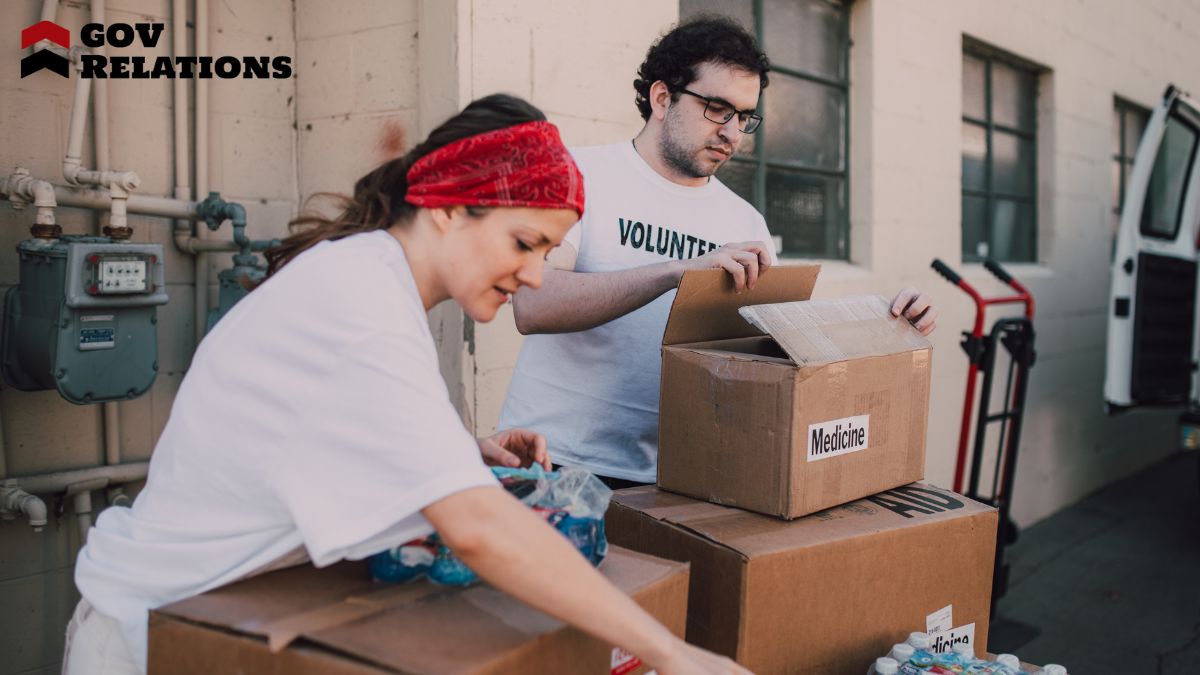
Although applying for disaster relief funds can seem overwhelming, simplifying the process is within your reach with a few strategic tips. By focusing on organization and preparation, you can make your application journey smoother and faster.
- Gather Essential Documents: Have important paperwork like identification, proof of property ownership, and income statements ready. Being organized reduces application time considerably.
- Double-Check Information: Verify every detail you enter. Inaccurate or incomplete information often causes delays in processing your application.
- Utilize Available Resources: Reach out to local assistance centers or online resources. They can offer guidance and confirm you're following the correct procedures.
Understanding these steps can help you avoid common pitfalls, making sure you get the relief you need as quickly as possible.
Stay proactive, and you'll navigate the process more efficiently.
Conclusion
To speed up receiving disaster relief funds, guarantee your application is complete and accurate. Stay in touch with the relevant agencies and be proactive in providing any additional information they might need. Remember, each disaster type has a typical waiting period, so stay informed about these timelines. By understanding the process and maintaining communication, you'll improve your chances of a quicker fund allocation, helping you get back on your feet sooner.




