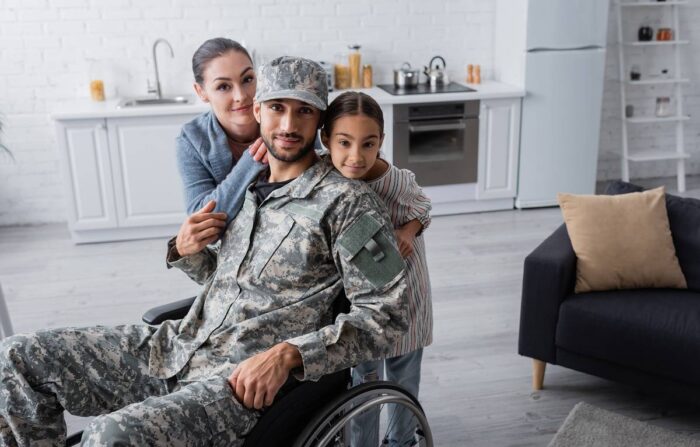
To access healthcare benefits for disabled soldiers, we begin by ensuring they meet eligibility criteriaThe specific requirements and conditions that applicants must meet to qualify for a grant. like service-connected disabilities or financial need. We'll need documents such as a Military ID, DD Form 214, and medical records. Complete VA Form 10-10EZ online, by mail, or in person at a VA medical center, where immediate help is available. Disabled veterans can access a wide range of services, including specialized treatments, mental health support, and prescription benefits. Let's explore how organizing these documents and understanding the enrollment process can make maneuvering the VA system easier.
Key Takeaways
- Complete and submit VA Form 10-10EZ online, by mail, or in person at a local VA medical center.
- Gather essential documents: Military ID, Discharge Papers (DD Form 214), and medical service records.
- Verify eligibility through criteria like service-connected disability, income, or special groups such as former POWs.
- Follow up with the VA post-submission to ensure timely processing and avoid delays.
- Utilize VA's specialized treatment programs and mental health support tailored to disabled soldiers' unique needs.
Understanding VA Healthcare
When discussing VA healthcare, understanding how this system functions to support disabled soldiers is crucial. The Veterans Health Administration (VHA) operates one of the largest healthcare systems in the United States, specifically designed to meet the unique needs of veterans. Through the VHA, disabled soldiers can access a wide range of services, from regular check-ups to specialized treatments for complex conditions.
We should acknowledge that VA healthcare is more than just medical appointments. It encompasses mental health servicesCriteria for projects providing mental health support and services., rehabilitation programs, and support for chronic illnesses. The objective is to provide holistic care that addresses both physical and mental well-being.
For instance, the VA places a strong emphasis on mental health, offering counseling and therapy to assist veterans in coping with PTSD, depression, and other related issues.
Furthermore, the VHA employs an integrated care model, ensuring that all aspects of a veteran's health are managed cohesively. This approach aids in developing personalized care plans tailored to each individual's needs. By grasping these fundamental elements, we can better understand how VA healthcare strives to offer the best possible support for our disabled soldiers, guaranteeing they receive the care they merit.
Eligibility Criteria

Determining who qualifies for VA healthcare benefits is crucial for disabled soldiers seeking support. Understanding the eligibility criteria helps us navigate the system more efficiently and guarantees we access the benefits we deserve.
First, we need to confirm our military service meets specific requirements. Generally, this means we must have served in the active military, naval, or air service and been discharged under conditions other than dishonorable. Here's a breakdown of the key points:
- Service-Connected Disability: If we've sustained an injury or illness during our service, we might qualify. The disability needs to be officially recognized and rated by the VA.
- Income and Financial Need: Some veterans qualify based on their income level. The VA uses financial thresholds, and if our income falls below these levels, we're eligible for healthcare benefits.
- Special Groups: Certain groups, like former prisoners of war or those who received a Purple Heart, have automatic eligibility. Additionally, veterans exposed to Agent Orange or other toxic substances may qualify under specific criteria.
Knowing these criteria can help us determine our next steps and get ready for the enrollment process. Let's ensure we're well-informed so we can make the most of the benefits available to us.
Enrollment Process
Exploring the enrollment process for VA healthcare benefits can seem overwhelming, but with the right guidance, we can make it straightforward. First, we need to understand that applying for VA healthcare starts with completing the VA Form 10-10EZ, also known as the "Application for Health Benefits." This form can be found online on the VA's official website.
Once we have the form, we can fill it out digitally or by hand. If we choose the digital route, it's as simple as following the prompts on the VA site, which will guide us through each section.
After completing the form, we've multiple submission options:
- we can submit it online,
- mail it to the Health Eligibility Center or
- take it to a local VA medical center.
It's important to remember that we can also apply in person at a VA medical center, where staff are available to assist us in filling out the form. This method can be especially helpful if we've questions or need immediate assistance.
Required Documentation
To access healthcare benefits, we need to gather some important identification documents and medical service records. These documents are vital for verifying our eligibility and ensuring we receive appropriate care. Let's outline the specific papers required to streamline this process.
Essential Identification Documents
When accessing healthcare benefits for disabled soldiers, having the right identification documents is indispensable. Without them, we might face delays or even denials of the benefits our soldiers rightfully deserve. Let's make sure we gather everything needed to streamline this process.
Here are three key documents we should have ready:
- Military ID Card: This card is the most essential piece of identification. It verifies the soldier's service status and eligibility for benefits. Make sure it's current and not expired.
- Discharge Papers (DD Form 214): This document provides a detailed summary of a soldier's military service, including the type of discharge. It's crucial for proving service history and eligibility for benefits.
- Social Security Card: While it might seem fundamental, having the soldier's social security card on hand is significant for verifying identity and processing benefits applications.
Medical Service Records

Traversing the path to obtaining healthcare benefits for disabled soldiers, we can't overlook the significance of medical service records. These records are vital because they contain detailed information about a soldier's medical history, treatments, and any disabilities incurred during service. Without them, proving eligibility for benefits becomes notably more challenging.
First, let's secure a complete copy of the medical service records. To do this, we can request them from the National Personnel Records Center (NPRC) or use the eBenefits portal. Having these documents at hand will help us provide thorough evidence of the medical conditions related to military service.
When submitting a claim, accurate and meticulous documentation is key. We should pay attention to every detail in the service records, ensuring nothing is missing or incorrect.
It's a good idea to cross-reference these records with any other medical documents we've to guarantee consistency and fullness.
VA Medical Services
Now that we've covered the required documentation let's explore the VA medical services available to disabled soldiers.
We'll look at the eligibility and enrollment process and the range of medical treatments they can access. Understanding these services guarantees that we can make the most of the benefits provided.
Eligibility and Enrollment Process
Understanding the eligibility and enrollment process for VA Medical Services is vital for disabled soldiers seeking healthcare benefits. To navigate this journey, we need to be well-informed about the steps and requirements. To start with, confirming eligibility is essential. VA healthcare benefits are available to veterans who've served in active military, naval, or air service and were discharged under any condition other than dishonorable.
Next, let's follow a simple yet effective plan to make sure we're on the right track:
- Gather Documentation: Collect necessary documents like your DD214 form (Certificate of Release or Discharge from Active Duty) and any medical records that outline your disability.
- Complete Enrollment Form: Fill out VA Form 10-10EZ, which is the Health Benefits Application. This form can be submitted online, by mail, or in person at a VA medical center.
- Submit and Follow-Up: After submission, keep a copy for your records and follow up with the VA to confirm receipt and current status. This guarantees your application is processed without unnecessary delays.
Available Medical Treatments
When it comes to accessing medical treatments through VA Medical Services, there's a wide range of care options available to us. The VA provides inclusive healthcare tailored to our unique needs as disabled soldiers. From primary care to specialized treatments, we can find the right support for our health conditions.
Primary care services are our go-to for routine check-ups, preventive care, and management of chronic conditions. If we need specialized care, the VA offers services in areas like cardiology, mental health, and orthopedics. Mental health support is particularly extensive, with counseling, therapy, and psychiatric services available to help us cope with PTSD, depression, and anxiety.
For those of us requiring advanced treatments, the VA provides surgery, rehabilitation, and prosthetic services. We can also access long-term care options, including nursing home care and home-based primary care. Additionally, the VA covers audiology and vision services, ensuring we've access to hearing aids and eyeglasses if needed.
Telehealth services have expanded, allowing us to receive care remotely, which is incredibly convenient. With these options, we can be confident that the VA is equipped to meet our diverse medical needs inclusively and compassionately.
Specialized Treatment Programs

For disabled soldiers, specialized treatment programs are vital in addressing their unique healthcare needs. These programs focus on providing targeted care that goes beyond general medical treatments, ensuring that our veterans receive the best possible support for their specific conditions.
We should consider the following specialized treatment programs:
- Prosthetics and Orthotics Services: These services are essential for soldiers who've lost limbs or need support devices. They offer custom-made prosthetics and orthotics that improve mobility and overall quality of life.
- Rehabilitation Programs: These programs include physical, occupational, and speech therapy designed to help disabled soldiers regain as much independence as possible. They focus on improving daily functioning and adapting to new physical limitations.
- Chronic Pain Management: Many disabled soldiers deal with chronic pain as a result of their injuries. Specialized pain management programs provide thorough approaches, including medication, physical therapy, and alternative treatments like acupuncture.
Mental Health Support
Addressing our disabled soldiers' healthcare needs isn't complete without focusing on their mental well-being. Many veterans face challenges like PTSD, depression, and anxiety, which can be just as debilitating as physical injuries. It's essential we grasp the resources available to support their mental health.
First, let's explore the Veterans Affairs (VA) healthcare system. The VA offers a range of mental health services, including counseling, therapy, and support groups. Veterans can access these services at VA medical centers and community-based outpatient clinics. It's vital to know that these services often come at no cost to the veteran, ensuring that financial barriers don't hinder access to care.
Next, we should consider non-VA options. Many community organizations offer mental health support tailored to veterans. Programs like the Wounded Warrior Project and Give an Hour provide free counseling services. Additionally, some veterans find peer support programs particularly beneficial, as they connect with others who share similar experiences.
Lastly, let's not forget the importance of family support. Encouraging our loved ones to seek help and providing a listening ear can make a significant difference. By grasping and utilizing these resources, we can guarantee our disabled soldiers receive the inclusive mental health care they deserve.
Prescription Benefits
Ensuring our disabled soldiers have access to necessary medications is an essential part of their healthcare benefits. These prescription benefits cover a range of medications required to manage chronic conditions, pain, and mental health issues. To make the most of these benefits, we need to understand the available options and processes.
Here are three key points to keep in mind:
- VA Pharmacy Services: Veterans can obtain their prescriptions through the VA's pharmacy services, which often provide medications at a lower cost or even free of charge, depending on the veteran's eligibility and the medication required.
- Mail-Order Pharmacy: For convenience, the VA offers a mail-order pharmacy service, allowing veterans to receive their medications directly at home. This service is particularly beneficial for those with mobility issues or living in remote areas.
- Emergency Prescriptions: In urgent situations, veterans can access emergency prescriptions from non-VA pharmacies. They must later seek reimbursementThe process of compensating the grantee for expenses incurred, usually requiring documentation and p... from the VA, which requires submitting the necessary documentation and receipts.
Community Care Options
Now, let's explore the community care options available to us. We'll cover the eligibility and enrollment process, the medical services we can access, and how to find local providers. Understanding these aspects can help us make the most of the benefits available.
Eligibility and Enrollment Process

Exploring the eligibility and enrollment process for community care options is crucial for disabled soldiers seeking comprehensive healthcare. First, let's understand the eligibility criteria. Veterans are typically eligible if they require services not available through a VA medical facility, reside in a state without a full-service VA medical center, or encounter an unreasonably long wait time for VA services. Knowing if we meet these conditions is the first step toward accessing the care we need.
Once we've established our eligibility, the enrollment process comes next. Here are three key steps:
- Consult with a VA Primary Care Provider: Our VA doctor will assess our medical needs and determine if community care is the best option.
- Receive Authorization: If community care is approved, we'll receive authorization detailing the services and approved providers.
- Schedule Appointments: With authorization in hand, we can schedule appointments directly with community care providers, ensuring we receive timely and appropriate care.
Understanding these steps can demystify the process and empower us to take control of our healthcare journey. By following these guidelines, we guarantee that we're leveraging all available resources to maintain our health and well-being.
Available Medical Services
Accessing the correct medical services is vital for our well-being. As disabled soldiers, we have a range of community care options available to guarantee we receive the best possible treatment. These services extend beyond traditional VA facilities, allowing us to seek care from providers in our local communities.
First, it's important to understand that community care can include various medical services such as primary care, specialized treatments, mental health services, and rehabilitation. This flexibility means we can find the right specialists and services that fit our specific needs, whether it's for ongoing physical therapy or specialized mental health support.
Community care options also provide us access to emergency care, urgent care, and even routine check-ups, ensuring our health is consistently monitored and managed. By leveraging these services, we can reduce travel time and receive care closer to home, making our healthcare journey more convenient and less stressful.
Additionally, with the VA's Community Care program, we're not limited to VA medical centers. This can greatly enhance our access to timely and appropriate care, ultimately improving our overall health outcomesThe changes or benefits resulting from the project's activities, often categorized as short-term, in.... Understanding these options can empower us to make informed decisions about our healthcare.
Finding Local Providers
Finding local providers for community care can feel overwhelming, but with the right approach, it becomes manageable. It's crucial to locate the appropriate healthcare providers who understand our unique needs as disabled soldiers. To simplify this process, we can follow a clear and structured plan.
- Utilize the VA Facility Locator: The Department of Veterans Affairs offers a tool called the VA Facility Locator, which helps us find nearby VA medical centers, community-based outpatient clinics, and other healthcare facilities. This is a great starting point for identifying potential providers in our area.
- Check Eligibility for Community Care: Not all services are available at all VA facilities, so it's important to know if we qualify for community care. Typically, eligibility is determined based on factors like the availability of VA services, distance from a VA facility, and specific medical needs. Checking this can save us time and effort.
- Seek Recommendations: Connecting with fellow veterans can provide valuable insights. We can ask for recommendations from those who've navigated the system before us. Local veteran organizations and support groups are excellent resources for finding trusted healthcare providers.
Maximizing Your Benefits
To make sure we get the most from our healthcare benefits, understanding the available resources and how to navigate them effectively is vital.
First, acquaint ourselves with the Veterans Affairs (VA) healthcare system. By grasping what's covered and the eligibility requirements, we can make sure we're not missing out on any important services.
Let's also make use of specialized programs. The VA offers a variety of services tailored to meet the unique needs of disabled veterans, such as rehabilitation, mental health care, and home-based primary care. Being informed about these programs allows us to proactively seek out the care we need.
Moreover, staying organized is crucial. Maintain a detailed record of our medical history, treatments, and any correspondence with healthcare providers. This helps simplify the process when applying for new benefits or appealing decisions.
Don't hesitate to seek assistance from Veteran Service Organizations (VSOs). These groups can provide invaluable support in comprehending and accessing benefits, often advocating on our behalf.
Lastly, let's stay informed. Policies and benefits can change, so regularly check the VA's website or subscribe to updates. By staying proactive and informed, we can maximize the benefits we've earned through our service.
Frequently Asked Questions
How Can Family Members Support a Disabled Soldier in Accessing Healthcare Benefits?
We can support our disabled soldiers by helping them gather necessary documents, guiding them through online applications, and ensuring they attend medical appointments. Let's stay informed about their benefits and advocate for their needs together.
What Are the Most Common Challenges Faced by Disabled Soldiers When Accessing Healthcare Benefits?
We often see disabled soldiers face issues like dealing with complex paperwork, long wait times, and lack of clear information. Let's work together to understand these challenges and find ways to make the process smoother for them.
Are There Any Specific Benefits for Disabled Soldiers Who Are Also Caregivers?
Yes, there are specific benefits. We can access caregiver support programs, financial assistance, and respite care services. These benefits are designed to ease the burden on disabled soldiers who also take on caregiving responsibilities.
How Can Disabled Soldiers Find Local Support Groups for Healthcare Navigation?
We can start by checking online resources like VA websites and local veterans' organizations. They often list support groups specifically for disabled soldiers. Additionally, contacting a VA representative can help us find nearby healthcare navigation support.
What Technology Resources Are Available to Help Disabled Soldiers Manage Their Healthcare?
We can use apps like MyHealtheVet and VA Health Chat to manage our healthcare. These technologies simplify appointment scheduling, medication refills, and access to medical records, making it easier for us to stay organized and informed.
Conclusion
To sum up, accessing healthcare benefits for disabled soldiers may seem challenging, but it doesn't have to be. By understanding VA healthcare, meeting eligibility criteria, and completing the enrollment process with the necessary documentation, we can access a variety of medical services, mental health support, and prescription benefits. Don't overlook community care options as well. Let's maximize our benefits and guarantee we receive the support and care we deserve. We're in this together!