We're thrilled to share the top five veteran aid programs and grants that make a real impact. First, the Post-9/11 GI Bill covers education costs, including tuition and housing. Second, VA Healthcare Services provides extensive medical care and mental health support. Third, Housing Aid Programs like VA Home LoanA sum of money borrowed that is expected to be paid back with interest. Guarantee and HUD-VASH guarantee stable housing. Fourth, Vocational Rehabilitation offers career counseling and job training for a smooth shift to the civilian workforce. Finally, Veteran Entrepreneur Grants provide initial capital and business training for aspiring veteran entrepreneurs. Stick around to discover more about these valuable resources.
Key Takeaways
- The Post-9/11 GI Bill offers extensive educational benefits, covering tuition, housing, and supplies for veterans.
- VA Healthcare Services provides comprehensive medical care, including primary care, specialized treatments, and telehealth services.
- The VA Home Loan Guarantee program helps veterans secure favorable home loans with no down payment required.
- Vocational Rehabilitation supports veterans with career counseling, job training, and job placement assistance for long-term employment success.
- Veteran Entrepreneur Grants offer initial capital, business training, and mentorship for veterans starting or expanding their businesses.
Post-9/11 GI Bill
The Post-9/11 GI Bill is often considered one of the most extensive educational assistance programs available to veterans today. It's designed to help us pursue higher education and training after our military service. This benefit can cover tuition and fees, provide a monthly housing allowance, and supply a stipend for books and supplies. Many of us have found it to be a game-changer, allowing us to smoothly move into civilian careers.
Key aspects of the Post-9/11 GI Bill include eligibility criteriaThe specific requirements and conditions that applicants must meet to qualify for a grant. and benefits. We qualify if we've served at least 90 days of active duty post-September 10, 2001, or were honorably discharged with a service-connected disability after 30 days. The amount of support varies based on our service length, with those serving 36 months receiving the maximum benefits.
Another great feature is the Yellow Ribbon Program, which helps cover out-of-state, private school, or graduate school tuition that the GI Bill doesn't fully cover. Participating schools and the VA share these additional costs, making higher education more accessible for us.
VA Healthcare Services
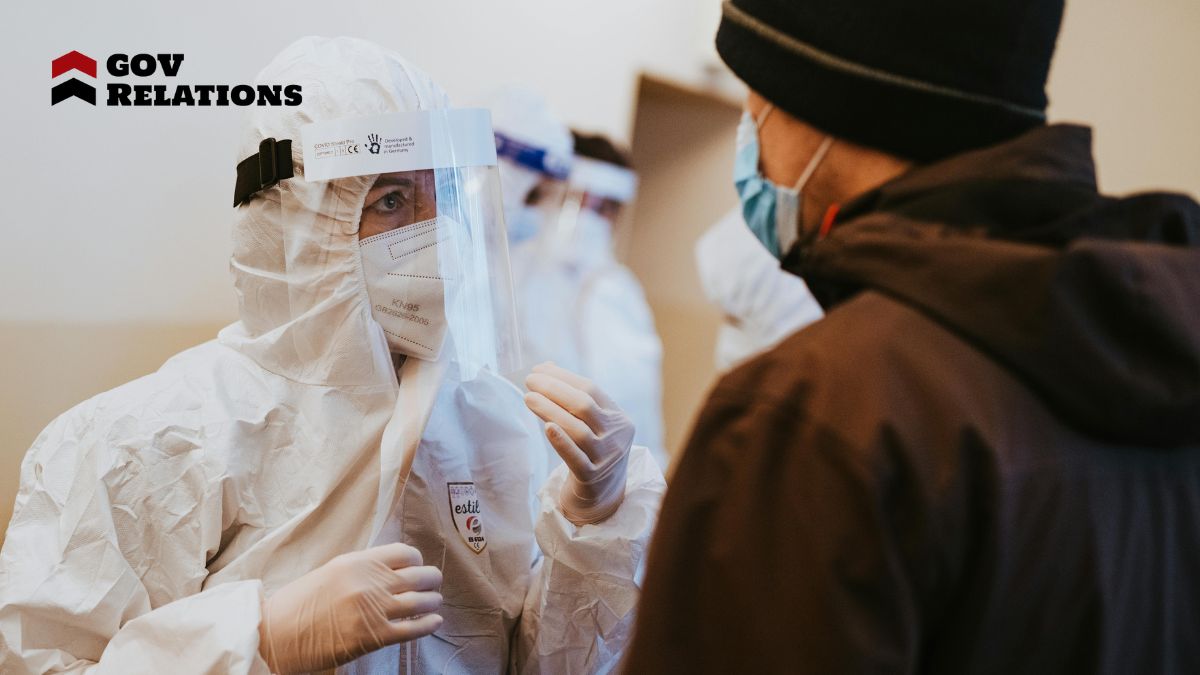
While educational benefits like the Post-9/11 GI Bill open doors to new career opportunities, healthcare remains a fundamental need for many of us veterans. The VA Healthcare Services provide thorough medical care tailored to our unique needs. These services include primary care, specialized treatments, mental health support, and preventive services.
We can access care through VA medical centers, outpatient clinics, and community-based facilities. The VA's integrated healthcare system guarantees continuity and quality of care, addressing conditions arising from our services, such as PTSD, TBI, and other service-related injuries.
For those of us worried about costs, the VA bases healthcare eligibility and costs on factors like service history, disability rating, and income level. Veterans with service-connected disabilities receive priority and may qualify for additional benefits.
Moreover, the VA offers telehealth services, allowing us to consult healthcare providers remotely, which is especially beneficial for those living in rural areas. This flexibility guarantees we receive timely care without the burden of long travel distances.
Housing Assistance Programs
Finding a stable place to call home is a top priority for many veterans returning back to civilian life. We grasp the importance of having a secure and comfortable living environment. Thankfully, there are several housing assistance programs designed specifically to help veterans achieve this goal.
One of the most beneficial programs is the VA Home Loan Guarantee. This program helps veterans secure home loans with favorable terms, often requiring no down payment and offering competitive interest rates. It's a fantastic way for veterans to purchase a home without the typical financial stress.
Additionally, we have the Supportive Services for Veteran Families (SSVF) program, which aims to prevent homelessness among low-income veteran families by providing financial assistance, case management, and supportive services. This program can help with rent, utilities, moving costs, and other expenses that might otherwise lead to homelessness.
For those who need more intensive support, the HUD-VASH program combines HUD housing vouchers with VA supportive services to help homeless veterans and their families find and sustain permanent housing. These programs ensure that we can aid veterans in securing and maintaining a safe place to live, offering them stability and peace of mind.
Vocational Rehabilitation
Often, switching from military to civilian life presents unique challenges, especially when it comes to finding meaningful employment. That's where Vocational Rehabilitation (VR) programs come in. These programs are designed to help veterans shift smoothly by providing them with the skills and resources they need to succeed in the civilian workforce.
Vocational Rehabilitation offers a range of services tailored to meet individual needs. From career counseling to job training and even assistance with resume writing and job placement, these programs aim to prepare veterans for long-term success.
For those with service-connected disabilities, VR can be particularly beneficial, offering specialized support to overcome physical or mental barriers to employment.
One of the standout features of VR is the personalized support we receive. Each veteran gets a dedicated counselor who works closely with them to develop a customized rehabilitation plan. This plan outlines specific goals and the steps needed to achieve them, ensuring that we stay on track.
Veteran Entrepreneur Grants
Veteran Entrepreneur Grants offer a great opportunity for veterans looking to start or grow their own businesses. These grants are designed to help us shift from military service to successful civilian careers by providing the financial support necessary to launch or expand our ventures.
When we think about the benefits of these grants, several key points come to mind:
- Initial Capital: Grants provide the necessary funds needed to get our businesses off the ground without the burden of repayment.
- Business Training: Many programs include training sessions to help us develop the skills we need to run a successful enterprise.
- Networking Opportunities: Access to a network of fellow veteran entrepreneurs and mentors can be invaluable for growth and support.
Navigating the application process can seem challenging, but it's worth it. We need to research the available grants, understand their specific requirements, and prepare a convincing business plan.
Let's remember that these grants are competitive, so attention to detail and demonstrating a clear vision for our business will be vital.
Frequently Asked Questions
What Types of Mental Health Resources Are Available for Veterans?
We can find various mental health resources for veterans, including counseling, support groups, and crisis lines. The VA offers therapy and psychiatric services, while nonprofit organizationsEntities that use surplus revenues to achieve their goals rather than distributing them as profit or... provide additional support tailored to veterans' unique needs.
How Can Veterans Access Emergency Financial Assistance?
We can access emergency financial assistance through various veteran organizations and government programs. Start by contacting Veterans Affairs, local VFW posts, or nonprofits like the American Legion. They'll guide us through the application process and available resources.
Are There Programs That Help Veterans With Legal Issues?
Yes, there are programs that help veterans with legal issues. We can look into Veterans Justice Outreach, Legal Services Corporation, and local veteran legal aid organizations to find the support and resources needed for various legal matters.
What Support Is Available for Veteran Caregivers and Families?
We comprehend the challenges veteran caregivers and families encounter. Programs like the VA Caregiver Support Program and the Elizabeth Dole Foundation offer resources, financial assistance, and respite care. Let's explore these options to provide much-needed relief.
How Can Veterans Find Employment Opportunities Tailored to Their Skills?
We can help veterans find job opportunities by connecting them with resources like the VA's Vocational Rehabilitation and Employment program, Hire Heroes USA, and LinkedIn's military networks. These platforms match skills with employers' needs.
Conclusion
We've covered some fantastic programs and grants available to support our veterans. From educational benefits under the Post-9/11 GI Bill to inclusive VA Healthcare Services, housing assistance, vocational rehabilitation, and entrepreneur grants, there are resources tailored to meet various needs. Let's remember to spread the word and make sure our veterans know about these opportunities. Together, we can help those who've served us so valiantly build successful and fulfilling post-service lives.