
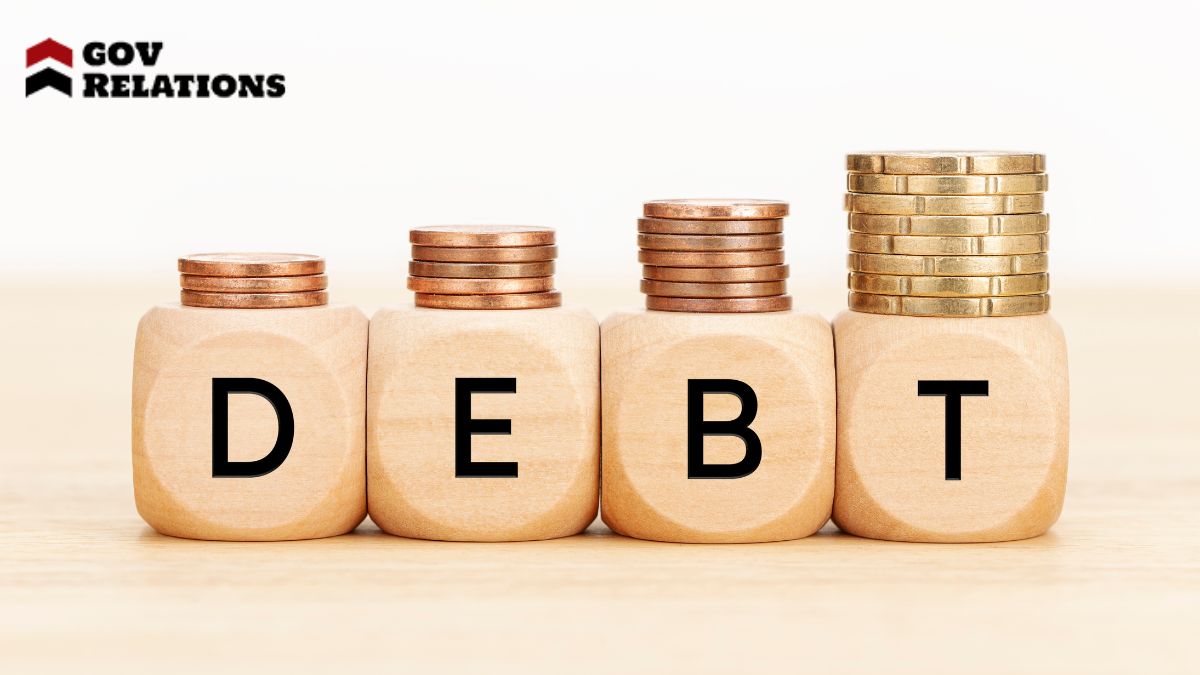
Steering through the world of debt can be overwhelming, but we're here to explore the potential lifeline government debt relief programs offer. These initiatives aim to ease financial burdens through loanA sum of money borrowed that is expected to be paid back with interest. forgiveness, interest reductions, and tailored repayment plans. Whether you're grappling with student loans or medical bills, understanding your options could be a game-changer. Let's explore how these programs work and see if they might be the solution you've been searching for.
Key Takeaways
- Government debt relief programs exist to help individuals manage and reduce financial burdens.
- Common initiatives include loan forgiveness, interest rate reductions, and income-based repayment plans.
- Eligibility criteriaThe specific requirements and conditions that applicants must meet to qualify for a grant. typically involve income levels, debt types, and residency status.
- Official government websites provide specific details and application processes for these programs.
- Participants must weigh potential drawbacks, such as credit score impacts, against benefits.
Understanding Government Debt Relief Programs

Why do government debt relief programs matter to us? They’re essential because they address the financial burdens that can affect our community’s well-being.
When governments intervene to ease debt, they help stabilize our economy, ensuring that resources are available for public services and future growth. These programs can prevent economic crises, allowing us to live in a more secure environment.
Understanding these programs means recognizing how they function and impact our daily lives. They’re not just about numbers on a balance sheetA financial statement that summarizes an organization's assets, liabilities, and equity at a specifi...; they’re about real people and communities.
Types of Government Debt Relief Initiatives
When it comes to government debt relief initiatives, we find several different approaches that can effectively address financial challenges.
One common type is loan forgiveness, where part or all of a debt is canceled. This is often seen in student loan programs, helping borrowers manage educational expenses.
Another approach is interest rate reduction, which lowers the cost of borrowing by decreasing the interest rate on existing loans. This can make payments more manageable over time.
Additionally, we've repayment plans that adjust the payment schedule based on income, ensuring payments are affordable without overwhelming household budgets.
Finally, there's debt consolidation, which combines multiple debts into one, often with a lower interest rate, simplifying the repayment process.
These initiatives aim to ease financial burdens.
Eligibility Criteria for Debt Relief Programs
Let's explore what makes us eligible for government debt relief programs.
We need to evaluate our income levels, the types of debt we have, and whether our residency and citizenship status meet the requirements.
Understanding these criteria will help us determine if we qualify and how we can benefit from these initiatives.
Income Level Requirements
Understanding the income level requirements for debt relief programs is essential for determining eligibility. We need to guarantee we meet specific income thresholds, as these criteria often dictate our qualification for assistance.
Typically, programs evaluate whether our income falls below a certain percentage of the federal poverty line or median income level. This assures aid reaches those most in need.
We should carefully review the guidelines, as they can vary greatly by program and region. By confirming our income eligibility, we can focus on the next steps.
Let’s gather our financial documents, like pay stubs and tax returns, to accurately assess our situation. Staying informed about these requirements helps us make informed decisions and pursue the debt relief avenues available to us.
Debt Type Qualifications
While maneuvering through debt relief programs, identifying eligible debt types is essential for determining our qualification. Not all debts qualify for relief, and understanding which do can save us time and effort.
Commonly, credit card debt, medical bills, and personal loans are eligible. However, secured debts like mortgages and car loans typically aren't included. Student loans might qualify under specific government programs, so it's vital to check their eligibility.
Let's remember that each program has its own criteria; what works for one debt type mightn't apply to another. By clearly identifying our debts and matching them with program requirements, we can better navigate the relief process and move towards financial stabilityRequirements for demonstrating the financial health and stability of the applicant organization..
Understanding these nuances is key to our success.
Residency and Citizenship Criteria
When considering debt relief programs, it’s vital to examine the residency and citizenship criteria since these factors often determine our eligibility. Many programs require us to be citizens or permanent residents of the country offering the relief. This is because the government aims to support its own citizens first.
For example, in the United States, some programs may be available only to U.S. citizens or those with a valid green card.
We should also be aware of state-specific guidelines, as residency requirementsSpecifications about the residency status of applicants, often relevant for individual grants or fel... might differ across regions. It’s important to verify our status and confirm we meet these criteria before applying.
How Government Debt Relief Programs Work
Let's explore how government debt relief programs operate by first understanding the eligibility criteria we've covered.
Once we recognize who qualifies, we can move on to the application process, ensuring we follow each step correctly.
Eligibility Criteria Explained
Understanding who qualifies for government debt relief programs is essential for anyone seeking financial assistance. To determine eligibility, we should consider several factors. Typically, these programs target individuals experiencing significant financial hardship, such as unemployment or unexpected medical expenses.
It’s important to note that not all debts qualify for relief. Federal student loans, certain types of taxes, and mortgage-related debts often have specific programs designed to help.
We must also consider income thresholds, as these programs usually focus on those with limited financial resources. Documentation proving our financial situation is often required, so gathering necessary paperwork in advance can be beneficial.
Program Application Process
How exactly do we navigate the program application process for government debt relief? Let's break it down together.
First, we gather all necessary documents, like proof of income and debt details. It's essential to guarantee everything's accurate and up-to-date.
Next, we visit the official government website to find the specific debt relief program that fits our situation. Each program may have unique requirements, so let's read through the instructions carefully.
Once we've identified the right program, we complete the online application formA standardized document that applicants must complete and submit as part of the grant proposal, ofte..., guaranteeing we fill in every detail correctly.
After submission, we should receive a confirmation. It's important to follow up if we don’t hear back in the expected timeframe.
Potential Benefits of Government Debt Relief
While government debt relief programs often spark debate, they offer undeniable benefits that can substantially impact both individuals and the broader economy.
By easing financial burdens, these programs can lead to positive changes in our economic landscape. Let’s consider some of these benefits:
- Increased Spending Power: When debts are reduced, individuals have more disposable income, which can boost consumer spending and stimulate economic growth.
- Reduced Financial Stress: Lower debt levels can alleviate stress, leading to improved mental health and productivity, which benefits society as a whole.
- Economic Stability: By stabilizing personal finances, debt relief can contribute to a more resilient economy, reducing the risk of widespread financial crises.
These benefits highlight why exploring debt relief options can be a wise choice for many seeking financial stability.
Challenges and Limitations of Debt Relief Programs
Despite the numerous benefits debt relief programs offer, we must also consider the challenges and limitations they present. Often, these programs can't address the root causes of debt, such as poor financial planningThe process of defining financial goals, developing budgets, and creating strategies to achieve them... or unexpected economic downturns.
They might also give a false sense of financial security, leading some of us to accumulate more debt in the future. Furthermore, eligibility criteria can be strict, excluding those who need help the most.
Administrative costs and bureaucratic hurdles can delay relief, adding to the stress. Additionally, debt relief might impact credit scores negatively, affecting long-term financial health.
It's vital that we approach these programs with a clear understanding, weighing the potential drawbacks alongside the benefits to make informed decisions.
Case Studies of Successful Debt Relief Efforts

When we look at case studies of successful debt relief efforts, we find valuable insights into strategies that have worked effectively. By examining these examples, we can pinpoint common elements that contributed to their success.
For instance, take the case of Iceland's response to its financial crisis. The country's proactive approach to addressing household debt provided a model for others.
Key strategies include:
- Community Engagement: Iceland involved its citizens in decision-making, fostering transparency and trust.
- Negotiated Settlements: The government worked with financial institutions to restructure loans, easing the burden on households.
- Targeted Relief: Aid was directed towards those most in need, ensuring efficient use of resources.
These elements demonstrate that a well-planned, inclusive strategy can lead to effective debt relief.
Conclusion
In exploring government debt relief programs, we've discovered how they offer essential support for those in financial distress. These initiatives, like loan forgiveness and repayment plans, can greatly ease our burdens. However, it’s important to remember that eligibility and program specifics can vary. By understanding the application process and actively seeking assistance, we can take control of our financial futures. Let's stay informed and proactive in pursuing the relief we need to build a more secure tomorrow.




