Disaster relief grants can be a lifeline when you're facing the aftermath of a crisis. They cover a range of essential expenses, from temporary housing and home repairs to medical bills and transportation. But what exactly does this mean for you, and how can you guarantee you're getting the help you need? There's more to uncover about making the most of these grants—it's vital to know the specifics.
Key Takeaways
- Disaster relief grants can cover temporary housing costs, including hotel or motel expenses.
- Grants may assist with home repairs for structural damage and essential system repairs.
- Medical and health-related expenses, such as hospital visits and medications, can be covered.
- Transportation and travel costs due to evacuation or relocation are eligible for grantA sum of money given by a government or other organization for a particular purpose, usually without... coverage.
- Essential personal property replacement, including clothing and household items, is supported by grants.
Temporary Housing and Lodging Costs
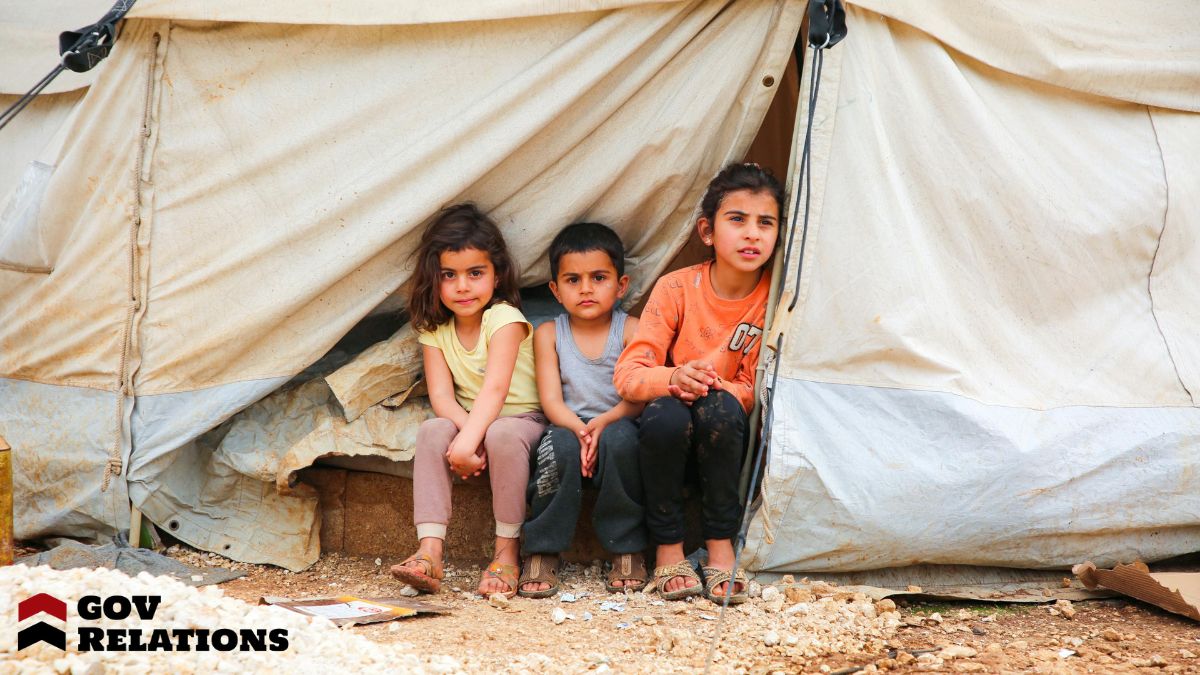
When disaster strikes, finding temporary housing can be both challenging and vital. You might feel overwhelmed, but disaster relief grants can help cover lodging costs. These grants guarantee you have a safe place to stay while you're unable to return home.
They typically cover hotel or motel expenses, allowing you to focus on immediate recovery without the added stress of housing costs. It’s important to keep all receipts and documentation, as they’re needed to process your grant application effectively.
Understanding the specifics of what’s covered will prevent unexpected expenses. Remember, you’re not alone in this process. Agencies providing these grants aim to support you during tough times, helping you regain stability and move forward with confidence and security.
Home Repairs and Property Restoration
After a disaster, your home may need immediate repairs to be safe and livable again. It’s essential to address structural damage quickly, and disaster relief grants can help with costs. These grants might cover important repairs like fixing roofs, windows, and doors.
You can also use them for electrical, plumbing, and heating system repairs, ensuring your home functions properly. Such financial assistance often extends to debris removal, allowing you to clear your property safely.
Additionally, grants may support property restoration efforts, such as replacing siding or repainting walls damaged by floodwaters or storms. They’re designed to help you restore your home’s basic integrity and habitability, not to upgrade or improve on pre-disaster conditions.
Remember to document damages carefully for your application.
Medical and Health-Related Expenses
Although disasters can strike without warning, they often leave behind not only physical damage but also serious medical and health-related issues.
You might face unexpected medical bills from injuries caused by the disaster or illnesses that arise afterward. Disaster relief grants can help cover these expenses. You can use them for hospital visits, medication, mental health counseling, or purchasing medical equipment like wheelchairs or oxygen tanks.
If you or a loved one needs continued care, the grants might support ongoing treatments. It’s essential to keep detailed records and receipts of all medical expenses. This documentation guarantees you receive the necessary support to alleviate financial burdens during recovery.
Always check the specific grant details to confirm what’s covered.
Transportation and Travel Costs
Facing the aftermath of a disaster, you might find yourself needing to travel unexpectedly, whether it's to reach a safe location, attend medical appointments, or manage other urgent matters.
Disaster relief grants can help ease the burden of transportation and travel costs during such challenging times.
Here’s how these grants can assist you:
- Evacuation Expenses: If traveling to a safer area becomes necessary, grants can cover costs like fuel, public transportation, or even emergency flights.
- Vehicle Repairs: If your car is damaged in a disaster, these funds can assist with necessary repairs to get you back on the road.
- Temporary Relocation: Sometimes, you need to stay elsewhere temporarily. Grants can cover travel costs to a temporary location.
Understanding your options can help you navigate these challenges more effectively.
Essential Personal Property Replacement
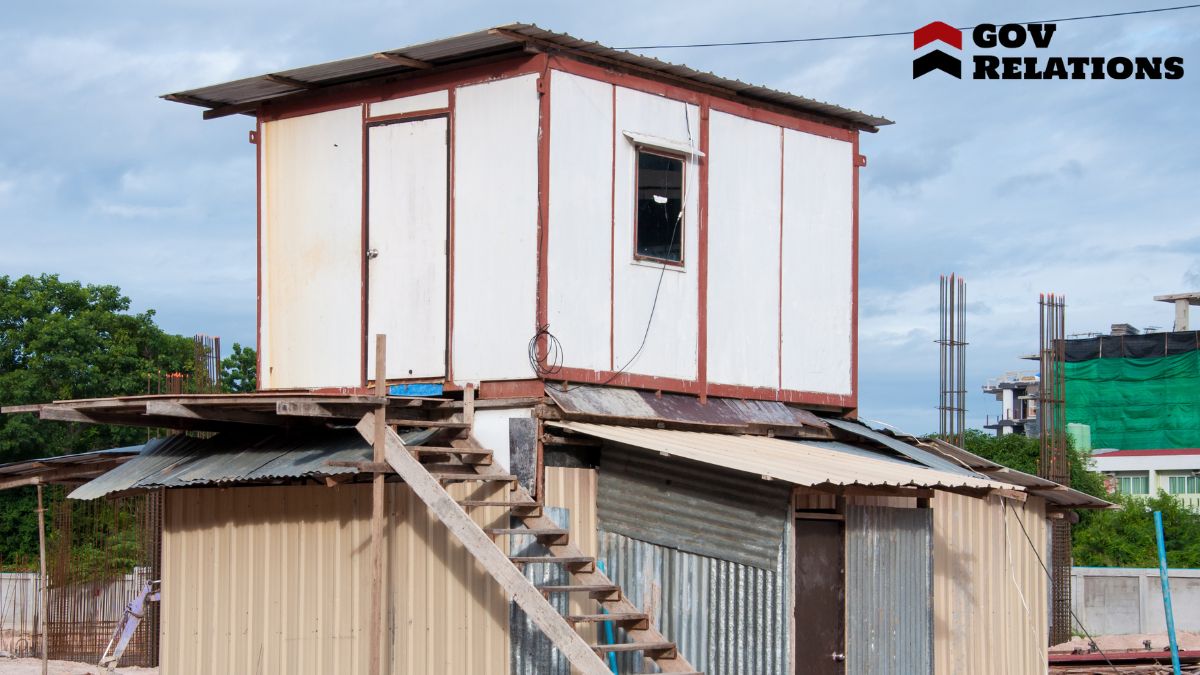
In the wake of a disaster, replacing essential personal property is often a crucial first step toward recovery. You might find yourself without basic necessities like clothing, household items, or furniture.
Disaster relief grants can help cover these costs, easing the burden as you begin to rebuild your life. It's important to understand what qualifies as "essential" to guarantee you're maximizing the assistance available.
Start by listing items you absolutely need for daily living. This can include beds, kitchen appliances, or even a computer for work or school.
Keep receipts and document losses to support your grant application. Remember, grants aim to restore your living conditions as closely as possible to pre-disaster levels, so focus on prioritizing the most critical items first.
Conclusion
When you apply for disaster relief grants, make certain you're aware of what expenses are covered. These grants can help with temporary housing, like hotel stays, and cover home repairs for things like roofs and plumbing. You can also get assistance for medical expenses, including hospital visits and medications. Don’t forget about transportation costs, such as evacuation and vehicle repairs, and replacing essential personal items. Keep detailed records to guarantee a smooth application process.