Securing government grants for elderly healthcare requires us to first understand the specific needs and eligibility criteriaThe specific requirements and conditions that applicants must meet to qualify for a grant. of each grantA sum of money given by a government or other organization for a particular purpose, usually without.... We should use trusted resources like Grants.gov and contact agencies such as state departments of aging for relevant opportunities. Our application must clearly demonstrate how the funds will enhance elderly healthcare services and include a detailed budgetA detailed financial plan outlining the projected costs of the project, including personnel, equipme... plan. Showcasing the positive impact of our programs increases our chances of success. By aligning our proposalA formal document submitted to a grantor, detailing the project plan, budget, and expected outcomes,... with agency priorities and emphasizing innovative solutions, we'll strengthen our application. There are additional tips we can explore to optimize our grant-securing strategy.
Key Takeaways
- Research grantFunding provided to support scientific research projects, often awarded by academic or government in... opportunities on reliable platforms like Grants.gov and state department websites.
- Ensure eligibility by reviewing specific grant criteria and demonstrating a genuine need for funding.
- Prepare detailed proposals highlighting the positive impact and innovative approaches of your elderly healthcare services.
- Include a comprehensive budget plan covering medical equipment, staff, and operational costs.
- Showcase program efficiency and successful outcomesThe changes or benefits resulting from the project's activities, often categorized as short-term, in... to attract additional funding and support.
Understanding Government Grants

When it comes to government grants for elderly healthcare, understanding the fundamentals is essential. These grants serve as a vital source of financial assistance, supporting programs that cater to the unique needs of older adults. By offering funding for services like home care, assisted living, nursing homes, and medical care, government grants help bridge funding gaps and promote the improvement of healthcare services for the elderly.
The role of government grants in elderly healthcare can't be emphasized enough. They guarantee that older adults receive the necessary support and care, enhancing their quality of life. These grants provide essential financial assistance to sustain and innovate healthcare services.
To effectively secure a grant, we must grasp the thorough application process. This involves understanding the specific requirements and deadlines associated with each grant.
Properly navigating this process is vital. It guarantees that our applications meet all necessary criteria, increasing our chances of securing the needed funds. Remember, each grant may have its own set of eligibility criteria. By understanding these fundamental aspects, we're better prepared to pursue government grants and contribute to improving services for elderly healthcare.
Eligibility Criteria
Understanding the basics of government grants sets the stage for grasping the specific eligibility criteria that must be met. When we explore elderly healthcare grants, it's important to recognize that eligibility varies based on the grant program. Factors like the type of healthcare services provided, whether our organization is nonprofit or for-profit, and our geographical location play important roles.
Some government grants prioritize specific elderly populations, services, or regions. Thus, aligning our services with the criteria outlined in the grant application is essential. Demonstrating a genuine need for funding is often a key requirement. We also need to showcase a proven track record of serving elderly populations effectively.
ComplianceAdherence to the rules, regulations, and requirements set forth by the grantor, ensuring proper use ... regulations are another vital aspect of the eligibility criteria. We must make sure that our organization meets all regulatory requirements and can adhere to reporting standards. This compliance not only increases our chances of securing grants but also guarantees we can sustain our funding opportunities over time.
For nonprofit organizationsEntities that use surplus revenues to achieve their goals rather than distributing them as profit or..., it's especially important to emphasize our dedication to providing quality healthcare services. By understanding and meeting these eligibility criteria, we greatly improve our prospects of obtaining government grants for elderly healthcare.
Researching Grant Opportunities
Traversing the landscape of government grants requires us to be diligent and strategic in our approach. To begin, we should explore government grant opportunities through reliable websites like Grants.gov and the Administration for Community Living (ACL). Both platforms offer a wealth of information on available grants specifically aimed at elderly healthcare services.
Next, let's review specific grant programs such as the Older Americans Act Title III grants and MedicaidA joint federal and state program that helps with medical costs for some people with limited income ... Home and Community-Based Services (HCBS) waivers. These programs are designed to support a wide range of services, from in-home care to community-based initiatives.
Additionally, resources from the National Council on Aging (NCOA) and the Department of Health and Human Services (HHS) can help us identify relevant grants. These organizations often have the latest updates and detailed information on various funding opportunities.
We should also look into state-specific grants for elderly healthcare services by contacting our state's department of aging or health services. Each state may have unique programs that can substantially benefit our efforts.
Preparing Your Grant Proposal
To craft a detailed grant proposal, we must first provide in-depth information about the specific elderly healthcare services our organization offers. By clearly outlining these services, we demonstrate our dedication to improving well-being and enhancing the quality of life for older adults in our community.
Our grant proposal should specify how the grant funding will be utilized to expand services and improve the accessibility of our elderly healthcare programs. We need to highlight the positive impact these programs have on the independence and overall health of the elderly. Providing data and statistics that illustrate the need for additional funding will strengthen our case.
It's essential to showcase any innovative approaches we've adopted, such as technology integrationCriteria ensuring that the project effectively incorporates technology to enhance outcomes., to demonstrate our forward-thinking strategies and effectiveness. By including these elements, we can present a detailed plan that emphasizes our commitment to enhancing elderly healthcare.
Aligning With Agency Priorities
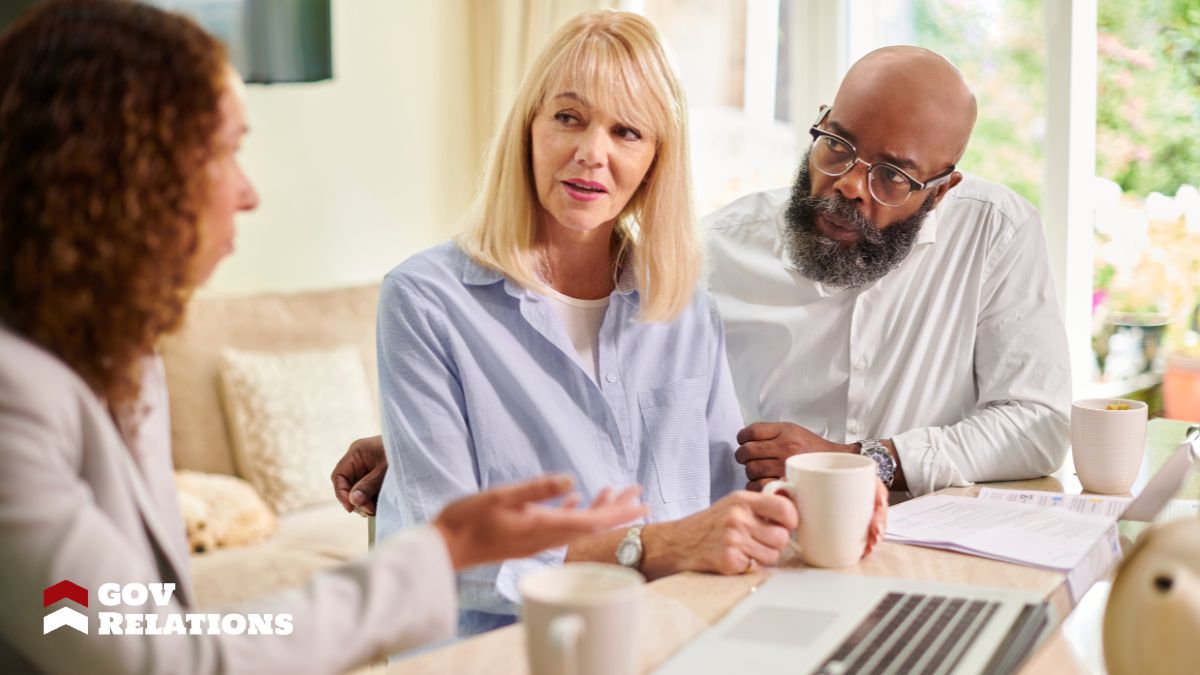
Securing government grants for our elderly healthcare services hinges on our ability to align with the priorities of key agencies like the Administration for Community Living (ACL), the Department of Health and Human Services (HHS), and the Department of Housing and Urban DevelopmentEligibility for projects aimed at revitalizing urban areas and addressing urban-specific challenges.... (HUD). By understanding and addressing their specific priorities, we can make our grant proposals more compelling and increase our chances of success.
First, we need to tailor our proposals to highlight how our programs will tackle the unique challenges faced by the elderly population. This means focusing on:
- Improving healthcare outcomes for seniors through targeted interventions.
- Developing innovative solutions that address specific challenges in elderly healthcare.
- Ensuring our programs are directly aligned with agency priorities for elderly healthcare funding.
- Demonstrating the potential impact of our initiatives on the elderly population.
- Showcasing how grant funding can support and enhance our proposed solutions.
Budget Planning
Crafting a strong budget plan is vital to securing government grants for elderly healthcare effectively. We need to detail costs for medical equipment, staff salaries, facility maintenance, and program implementation. A thorough budget aligns with grant requirements and showcases our understanding of the financial needs of elderly healthcare programs.
To start, our budget should include line items for direct care services, administrative expenses, training costs, and other relevant expenditures. Estimating ongoing operational costs and accounting for potential unforeseen expenses is necessary. This approach guarantees that our budget is realistic and supports sustainable funding.
Regular monitoringThe continuous or periodic assessment of project activities to ensure they are on track and achievin... and adjustment of our budget based on actual expenses and outcomes are also essential. By doing this, we can make sure we're using government grants effectively and meeting the needs of our elderly patients. Accurate budget planning not only helps us secure the funds but also ensures we can provide consistent, high-quality care.
Highlighting Program Impact
Highlighting the impact of our elderly healthcare programs funded by government grants is essential in demonstrating their value. By showcasing the benefits, we can prove that these grants are vital for improving access to quality services for older adults. When we secure government grants, we access innovative solutions that enhance care coordination and service delivery, resulting in better health outcomes.
To illustrate the impact effectively, consider these key points:
- Improved Health Outcomes: Government grants enable better management of chronic conditions, leading to fewer hospitalizations and enhanced overall health.
- Enhanced Quality of Life: Programs funded by these grants focus on the well-being and independence of older adults, promoting social engagement and mental health.
- Innovative Solutions: Grant funding supports the development of cutting-edge technologies and methods that streamline elderly healthcare services.
- Efficient Service Delivery: With proper funding, organizations can offer more coordinated care, ensuring that older adults receive timely and appropriate services.
- Attracting Additional Funding: By highlighting successful outcomes, we can secure more support and resources to expand our programs and reach more older adults.
Application Submission
Submitting an important grant application is crucial for securing funding for our elderly healthcare programs. To start, we need to make sure that all required documentation, including detailed project plans and thorough budget details, is accurately gathered before submission. This step is vital for the successful submission of elderly healthcare grants.
Adhering to the specific guidelines outlined by the government agency overseeing the grant program can greatly increase our chances of approval. It's essential to meticulously follow these rules to avoid any disqualifications.
Let's also keep a sharp eye on the submission deadlineThe final date by which the grant proposal must be submitted to be considered for funding.. Submitting well in advance can prevent last-minute technical issues that might derail our application.
Before hitting that submit button, a thorough completeness review is a necessity. Double-checking for accuracy and thoroughness will help us catch any errors that could lead to delays or outright rejection.
If the process feels overwhelming, seeking grant writingThe process of preparing and submitting a grant proposal, including drafting, editing, and assemblin... assistance from professionals can make a significant difference. These experts can help refine our application to ensure it stands out.
Resources and Support
When seeking government grants for elderly healthcare, having access to the right resources and support can make a world of difference. Understanding the eligibility criteria and application process is essential. Let's explore some key resources and support systems that can help.
- State grants: Each state offers different grants tailored to elderly healthcare. Check your state's official website for specific programs and eligibility criteria.
- Non-profit organizations: Many non-profits focus on elderly care and may offer support programs or financial assistance to help cover healthcare services.
- Federal grants: Don't overlook federal grants, which can provide substantial financial assistance for improving quality of life through healthcare services like home care and assisted living.
- Support programs: Local community centers and senior servicesCriteria for projects that provide services or support specifically for senior citizens. often have programs that can help with the application process and provide additional resources.
- Healthcare services: Partnering with healthcare providers who are knowledgeable about government grants can streamline the process and ensure the proper utilization of funds.
Frequently Asked Questions
What Government Program in the US Provides Economic Support for the Elderly?
We can look to the Social Security Administration for economic support programs for the elderly in the US. They manage Social Security benefits based on earnings and Supplemental Security Income for those with limited income and resources.
What Is the Government's Health Plan for the Elderly Called?
We're discussing Medicare. It's the government's health plan for the elderly, covering those 65 and older, and some younger individuals with disabilities. Understanding Medicare's parts, like Part A (hospital) and Part B (medical), is essential.
Which Government Program Provides Direct Support to Pay the Health Care Costs of Elderly Americans?
We rely on Medicare to provide direct support for elderly Americans' healthcare costs. This program covers hospital stays, doctor visits, prescription drugs, and preventive care for those aged 65 and older, funded by payroll taxes, premiums, and government revenue.
Which Program Is for the Benefit of the Elderly?
We're talking about the Administration for Community Living (ACL). They provide grants aimed at enhancing healthcare, social engagement, and independence for the elderly. These programs improve the quality of life and well-being for seniors.
Conclusion
In securing government grants for elderly healthcare, we need to understand the basics, meet eligibility criteria, and research opportunities thoroughly. Preparing a compelling proposal that aligns with agency priorities is essential. Let's not forget meticulous budget planning and highlighting the program's impact. By following these steps and leveraging available resources, we're setting ourselves up for success. Together, we can make a significant difference in the lives of the elderly through well-funded healthcare initiatives.