We grasp the importance of government utility assistance programs for seniors dealing with increasing energy costs. These programs guarantee seniors can heat or cool their homes securely, preventing health hazards such as hypothermia or heat stress. With fixed incomes, many seniors confront difficult decisions between covering utility bills or other necessities. Programs like LIHEAP and state-specific alternatives like TEAP offer vital financial aid, assisting them in sustaining a cozy living space. Eligibility standards ensure the assistance reaches those who require it. If you're interested in learning how to apply and meet these standards, more helpful information is coming up for you.
Key Takeaways
- Ensures seniors can afford essential utilities without sacrificing other necessities.
- Helps prevent health risks from inadequate heating or cooling in senior homes.
- Supports low-income seniors on fixed incomes facing rising utility costs.
- Ensures vulnerable seniors maintain a safe and comfortable living environment.
- Provides targeted financial aid to those meeting strict eligibility criteriaThe specific requirements and conditions that applicants must meet to qualify for a grant..
Importance of Utility Assistance
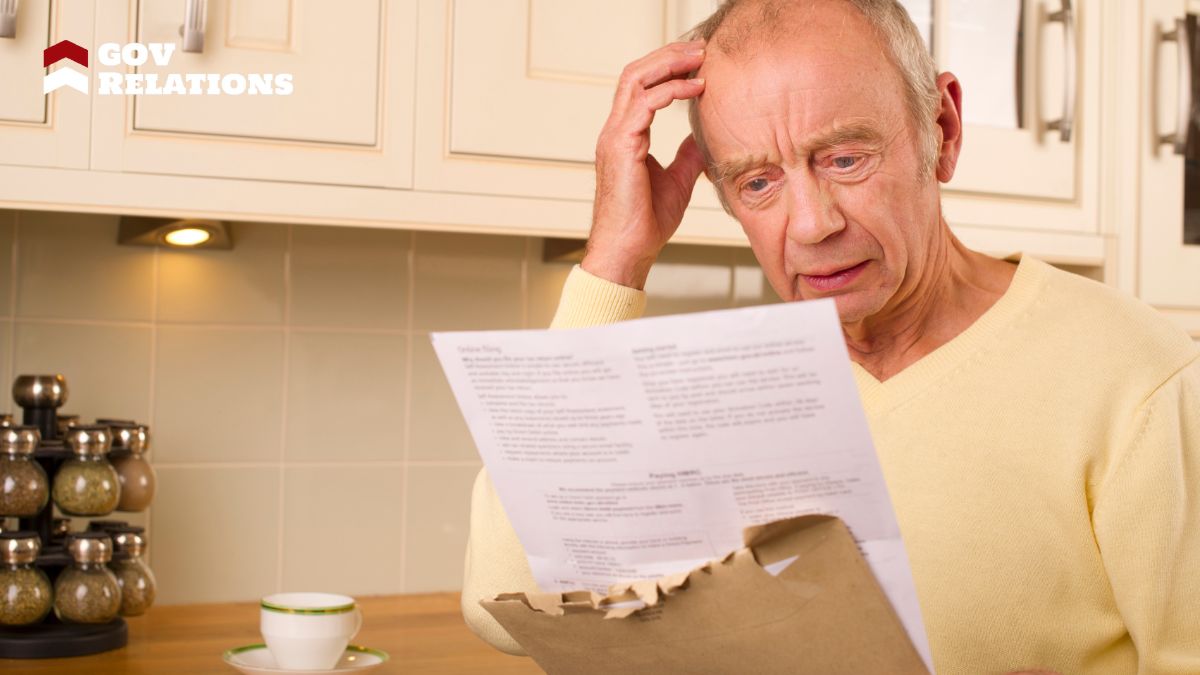
The importance of utility assistance for seniors can't be understated. Many low-income older adults face tough choices between paying for energy bills and covering other basic needs. When it comes to maintaining a stable and comfortable living environment, energy costs can be a burden. Access to utility assistance can make a world of difference, ensuring seniors don't have to choose between staying warm in winter or cool in summer and having enough money for food or medication.
We need to recognize the health risks seniors face without proper heating or cooling, especially during extreme temperatures. Government programs like LIHEAP (Low Income Home Energy Assistance Program) and CEAP (Comprehensive Energy Assistance Program) play a pivotal role in providing financial support. These programs help seniors afford their energy bills, thereby preventing dangerous situations where they might otherwise go without necessary heating or cooling.
For those of us on fixed incomes, rising utility costs can be particularly challenging. Utility assistance programs not only alleviate financial stress but also contribute to our overall well-being. By ensuring access to necessary energy resources, these programs help us maintain a safe and healthy living environment, allowing us to age with dignity.
Financial Challenges for Seniors
Although we often talk about the golden years, many seniors find themselves grappling with financial challenges that can make everyday living difficult. For many older adults, the struggle to pay utility bills is a significant concern. A fixed income often doesn't stretch far enough to cover all necessary expenses, leading to tough choices that no one should have to make.
- Rising Utility Costs: Utility bills can be a substantial burden for low-income families, particularly seniors. The cost of heating and cooling a home can quickly add up, leaving little room in the budgetA detailed financial plan outlining the projected costs of the project, including personnel, equipme... for other essentials.
- Limited Income: Many seniors rely solely on Social Security or a small pension. These fixed incomes often don't keep pace with rising living costs, making it hard to manage monthly expenses.
- Dangerous Trade-Offs: When seniors can't afford their utility bills, they may have to decide between paying for energy or other necessities like food and medication. This can lead to unhealthy living conditions and increased stress.
Government assistance programs like LIHEAP and CEAP are crucial in helping seniors manage their utility bills. These programs provide much-needed relief, ensuring that seniors can maintain a safe and comfortable living environment.
Health Risks of Energy Insecurity
Energy insecurity poses serious health risks for seniors, especially during extreme weather conditions. When older adults can't afford proper heating or cooling, they're susceptible to heat stress in the summer and hypothermia in the winter. These conditions can be life-threatening, particularly for those with pre-existing health issues.
Without sufficient heating or cooling, seniors' overall health and well-being suffer. The constant stress of living in an uncomfortable environment weakens their immune systems, making them more vulnerable to illnesses. Additionally, the lack of a stable indoor temperature can exacerbate chronic conditions like arthritis, respiratory diseases, and cardiovascular issues.
Energy assistance programs are vital because they help seniors avoid making dangerous choices just to afford their utility bills. When faced with the dilemma of paying for energy or other essentials like medication or food, many seniors might opt to cut back on heating or cooling, putting their health at risk.
By addressing energy insecurity, these programs guarantee that seniors can maintain a safe and healthy living environment.
Understanding the health risks tied to energy insecurity highlights why it's so important to support and advocate for utility assistance programs that protect our seniors.
Government Assistance Programs

Let's explore the various government assistance programs that can help seniors manage their utility bills. Federal programs like LIHEAP offer crucial financial support, while state-specific initiatives tailor assistance to local needs. By understanding these options, we can guarantee seniors receive the help they need to stay warm and safe.
Federal Energy Support
Getting through the high costs of energy can be challenging, especially for seniors on fixed incomes, but Federal Energy Support programs offer a lifeline. Programs like LIHEAP (Low Income Home Energy Assistance Program) and CEAP (Comprehensive Energy Assistance Program) provide essential financial assistance to help seniors and low-income individuals manage their energy bills. These programs aim to prevent the dangerous situations and difficult trade-offs that arise when seniors can't afford to properly heat or cool their homes.
Here are three key points about these programs:
- Eligibility Requirements: Both LIHEAP and CEAP have specific income eligibility criteria based on household size. This guarantees that assistance goes to those who need it most.
- Health and Safety: By providing financial assistance, these programs help seniors avoid health impacts from extreme temperatures, reducing the risk of heat strokes in summer and hypothermia in winter.
- Community Distribution: CEAP funding is distributed to local agencies across Texas, like Baker Ripley in Houston. These agencies are responsible for providing energy bill assistance to eligible individuals in their communities.
State-Specific Assistance Programs
Many states offer specific utility assistance programs tailored to the needs of seniors, providing essential support to help manage energy bills.
In Texas, the Texas Department of Housing administers programs like the Thorough Energy Assistance Program (TEAP) and the Texas Homeowner Support Program. TEAP allocates $175 million annually to 37 agencies across the state, ensuring that low-income seniors receive much-needed help with their energy bills.
The Texas Homeowner Support program is another valuable resource, offering support for both past due and upcoming utility bills for seniors facing pandemic-related financial hardships. This program provides a safety net for those who've been hit hard by unexpected financial challenges.
Additionally, various organizations, such as the Salvation Army and Catholic Charities, extend their support to seniors in Texas. These organizations work alongside state programs to guarantee that no senior is left in the cold—or the heat.
Seniors who are Reliant customers or use other electricity providers, like Entergy and TXU Energy, can also tap into specialized programs. Entergy's Power to Aid and TXU Energy's AID program are designed to assist seniors with their energy expenses, offering another layer of support tailored to their needs.
Eligibility Criteria
Let's explore what it takes to qualify for utility assistance as a senior.
We need to reside in specific counties and meet income limits based on household size, from $22,590 for one person up to $62,940 for a six-person household.
Additionally, we'll need various documents like proof of income, identification, and utility bills to complete the application.
Residency Requirements
Why is residency so crucial for seniors seeking utility assistance? Residency conditions are a pivotal part of the eligibility criteria for energy assistance programs. For seniors living in specific counties like Galveston County, meeting these criteria guarantees they can access the help they need. These requirements guarantee that assistance is targeted to those in specific geographical areas with identified needs, such as Harris, Brazoria, or Galveston County.
To qualify for utility assistance, proof of residency in these eligible counties is necessary. This verificationThe process of confirming the accuracy and authenticity of project activities, data, and reports. process helps direct resources to seniors facing financial challenges within these designated areas. By focusing on residency, the programs can effectively support those most in need.
Here are three key aspects of residency requirementsSpecifications about the residency status of applicants, often relevant for individual grants or fel...:
- Geographical Focus: Assistance is provided to residents of specific counties like Galveston County, ensuring targeted help.
- Proof of Residency: Seniors must provide documentation to confirm their residency in eligible counties, ensuring eligibility.
- Resource AllocationThe process of assigning and distributing resources, including personnel, funds, and equipment, to v...: Verifying residency helps guarantee that energy assistance is given to individuals in areas with identified financial challenges.
Income Limits
Income limits play an essential role in determining eligibility for utility assistance programs. It's vital for us to understand that these limits are based on the number of household members. For example, the annual income limit for a single person is $22,590, while a household with six members can earn up to $62,940. This sliding scale guarantees that assistance is provided to those who truly need it.
When we apply for these programs, we've to provide proof of income for all household members over 18. This can include wages, benefits, or retirement income. It's important that we gather all necessary documents to avoid any delays in our application process.
Additionally, we must verify the identification of all household members using documents like a driver's license or passport.
This process helps ensure that the aid goes to eligible seniors who need it the most. By understanding the income limits and the significance of accurate documentation, we can better navigate the application process and secure the utility assistance we need. Let's make sure we're prepared and informed so we can take full advantage of these valuable programs.
Document Verification
Document verification is an important step in confirming that we're eligible for utility assistance programs. To make sure we qualify, there are several essential documents we need to gather and submit with our application. This process helps validate our eligibility based on identity, income, and specific program requirements.
First, proof of income is required for all household members over 18. This documentation helps determine if we meet the income eligibility criteria for the assistance program. Common forms of proof include recent pay stubs, Social Security benefit statements, or tax returns.
Second, identification documents are necessary for all household members. This might include a driver's license, state ID, or birth certificate. In some cases, federal verification documentsSupporting documents required to confirm the accuracy of the information provided in the grant appli... like a U.S. passport or Permanent Resident card may be needed to validate our eligibility for benefits.
Third, we must submit our current utility bills, including electric and gas bills. These documents provide evidence of our ongoing utility expenses and are vital to the application process.
To streamline our application, let's make sure we have:
- Proof of income
- Identification documents
- Utility bills
How to Apply
Applying for government utility assistance as a senior can be straightforward if you know the steps and requirements. First, it's important to check if you reside in a county where the Energy Assistance Program or rental assistance is available. These programs often have specific geographic eligibilityLimitations based on the geographic location where the applicant or project must be based or where t..., so make sure you're in an eligible area.
Next, let's talk about income eligibility. Assistance programs base income limits on household size, with annual thresholds ranging from $22,590 to $62,940. You'll need to gather proof of income for all household members over 18. This includes wages, benefits, or any retirement income sources. Having this documentation ready will help speed up the process.
Identification verification is another key step. Acceptable documents include driver's licenses or passports for all household members. Additionally, federal verification documents like a U.S. passport or Permanent Resident card might be needed to confirm eligibility for federal benefits.
Once you have all your documents in order, you can proceed with the application. Many programs offer online applications, making it convenient to apply from home. If you prefer, you can also visit local assistance offices for help. By following these steps, you'll be well on your way to securing the help you need.
Frequently Asked Questions
What Is the New Texas Utility Help Program?
The new Texas Utility Help program offers assistance with electricity, gas, propane, water, and wastewater bills. It helps low-income households with incomes at or below 150% of federal poverty guidelines, easing their energy cost burdens.
What Is the Income Limit for Utility Assistance in Texas?
We can get utility assistance in Texas if our income falls within specific limits, ranging from $22,590 for one person to $62,940 for six people. Eligibility depends on our household size and income criteria.
Is Texas Utility Help a One-Time Payment?
No, Texas Utility Help isn't a one-time payment. Eligible households can receive ongoing assistance for electricity, gas, propane, water, and wastewater bills. This program guarantees we receive continuous support to manage our utility costs effectively.
What Is the Lite Up Texas Program?
The Lite Up Texas program offers a 31% discount on electricity bills for eligible low-income Texans during May, June, and July. Throughout the rest of the year, additional discounts help ease the burden of high energy costs.
Conclusion
To sum up, we grasp the critical role utility assistance plays in the lives of seniors. Financial challenges and health risks from energy insecurity highlight why government programs are crucial. By familiarizing ourselves with the eligibility criteria and how to apply, we can guarantee our loved ones stay safe and comfortable. Let's share the information and aid our senior community in accessing the support they need to lead healthier, more secure lives. Together, we can make a difference.