We can access free healthcare for veterans through the VA by first understanding eligibility, which often depends on service connection and income. To enroll, gather documents like your DD214 and financial information, then apply online, by mail, or in person at a VA facility. Once enrolled, veterans receive all-inclusive benefits, including preventive care, specialized treatments, and mental health servicesCriteria for projects providing mental health support and services.. The VA also offers telehealth options and prescription services for convenience. Emergencies are covered, too, with 24/7 access at VA facilities or local providers. Veterans' families can access support programs and educational benefits. Let's explore these opportunities further to ensure the best care possible.
Key Takeaways
- Veterans must enroll in VA healthcare by submitting an application online, by mail, or in person at VA facilities.
- Eligibility for VA healthcare is determined by service connection, income limits, and specific periods of service.
- Combat veterans are eligible for enhanced benefits, providing broader access to free healthcare services.
- VA healthcare covers essential medical services, including preventive care, mental health, and specialized treatments.
- Emergency care is accessible 24/7 at VA medical centers or community providers, with reimbursementThe process of compensating the grantee for expenses incurred, usually requiring documentation and p... for emergency transportation costs.
Eligibility Criteria
To access free healthcare for veterans, understanding the eligibility criteriaThe specific requirements and conditions that applicants must meet to qualify for a grant. is essential. We need to know who qualifies for these benefits. Generally, any veteran who's served in active military, naval, or air service and was discharged under conditions other than dishonorable can qualify. However, there are specifics that can impact eligibility.
First, consider service connection. Some veterans qualify based on service-related conditions, which are injuries or illnesses incurred or worsened during active duty. Those with service-related disabilities usually get priority access.
Next, we should look at income limits. Veterans with low income might qualify for free healthcare, even without a service-related condition. The VA uses financial evaluations to determine if a veteran falls below the income limit.
Combat veterans who served in a theater of combat operations after November 11, 1998, are eligible for enhanced benefits for five years post-discharge. This includes free healthcare for any condition related to their service.
Lastly, those who served in specific periods or operations, like Vietnam veterans exposed to Agent Orange, might've additional qualifying criteria. Understanding these details ensures we can guide our fellow veterans effectively. Let's stay informed and support each other in navigating these benefits.
Enrolling in VA Healthcare

Starting the process of enrolling in VA healthcare may seem challenging, but it's a simple procedure that secures we receive the care we deserve. First, we need to gather necessary documents like our military discharge papers (DD214) and financial information. This documentation helps verify our eligibility and determine our priority group.
Once we've got our documents ready, we can apply in several ways. The easiest method is to complete the application online through the VA's official website. Alternatively, we can download and print the VA Form 10-10EZ, fill it out, and mail it to our local VA medical center. If we prefer in-person assistance, visiting a VA healthcare facility or a nearby Veterans Service Organization can provide us with the guidance we need.
After submitting our application, the VA reviews our information and typically responds within a few weeks. We'll receive a letter confirming our enrollment and outlining our benefits. If there are any issues or additional information needed, the VA will contact us directly.
Taking these steps ensures we tap into the healthcare resources available to us. It's essential to start this process early so we can access timely care and support.
VA Medical Benefits
Let's explore the VA medical benefits available to eligible veterans.
We'll look at how to enroll, the range of medical services covered, and how to access specialized care.
Understanding these benefits guarantees we make the most of the healthcare options offered.
Eligibility and Enrollment Process
Finding the eligibility and enrollment process for VA medical benefits is crucial for veterans seeking healthcare services. First, let's check if we qualify. Eligibility depends on active duty service, discharge status, and other factors like service-connected disabilities. To determine if we're eligible, we should gather our service records and discharge papers.
Next, we need to complete the application, which can be done online, by mail, or in person at a VA facility. The online application is fast and efficient, available through the VA's website. We'll need to provide our personal information, military service details, and income information.
Once the application is submitted, the VA reviews it to determine our priority group. This group affects our access to services and potential costs. Priority groups range from 1 to 8, with Group 1 having the highest priority, often due to service-connected disabilities.
After approval, we'll receive a VA healthcare card, which grants us access to the system. It's important to keep this card handy for all appointments. By following these steps, we make sure that we're on the right path to accessing the healthcare benefits we've earned.
Covered Medical Services
Once we've received our VA healthcare card, it's crucial to grasp the range of medical services covered under VA benefits. The VA offers an extensive set of healthcare services designed to cover our primary and preventive needs. This includes routine check-ups, immunizations, and screenings for conditions like diabetes and high blood pressure.
We also have access to mental health services, which can be vital for many veterans. These services include counseling, therapy, and psychiatric care. For those of us with chronic conditions, the VA provides ongoing management and treatment, ensuring we receive the care we need to maintain our quality of life.
Additionally, the VA covers more acute care needs, such as emergency services and surgeries. If we require hospitalization, these services are also included in our benefits. Prescription medications prescribed by VA doctors are covered, which can help us manage our health without the financial burden.
Understanding these covered services allows us to make the most of our benefits and guarantee we're getting the care we deserve. By knowing what's available, we can plan our healthcare accordingly and address issues before they become serious problems.
Accessing Specialized Care

Accessing specialized care through VA medical benefits can greatly enhance our overall well-being. We've access to a range of services tailored to address specific needs, such as mental health care, substance abuse treatment, and rehabilitation for injuries. These specialized programs are designed to guarantee we receive the best possible care and support.
When we need specialized care, the first step is to talk to our primary care provider within the VA system. They'll help us navigate the referral process to see specialists. Whether we require advanced treatments for conditions like PTSD or need assistance with prosthetics, the VA has dedicated professionals ready to help.
Mental health services are a significant aspect of specialized care. We can access counseling, therapy, and support groups specifically designed for veterans. This holistic approach ensures that our mental health needs are met with the same attention as our physical health.
Moreover, specialized care includes services for chronic conditions, women's health, and geriatric care. By utilizing these benefits, we're not just addressing immediate health concerns but also taking proactive steps toward long-term health and wellness. Let's make sure we fully utilize these valuable resources for a healthier future.
Mental Health Services
When it comes to supporting our veterans, mental health services are necessary for guaranteeing their well-being and successful reintegration into civilian life. Many of our veterans face unique psychological challenges, including PTSD, depression, and anxiety. Accessing mental health services through the VA can be a critical step toward recovery and stability.
Here are four important aspects of mental health services available to veterans:
- Counseling and Therapy: Individual and group therapy sessions can provide a safe space for veterans to express their thoughts and emotions. These services help them develop coping mechanisms and build resilience.
- Medication Management: Some veterans may benefit from medication to manage their symptoms. VA healthcare providers can prescribe and monitor medications to ensure they're effective and safe.
- Crisis Support: The VA offers 24/7 crisis support through the Veterans Crisis Line. This service is essential for veterans experiencing severe distress and needing immediate help.
- Specialized Programs: The VA provides tailored programs for specific conditions like PTSD and substance abuse. These programs offer targeted treatments designed to address the particular needs of veterans.
Community Care Programs
Let's explore how Community Care Programs can help us access healthcare outside of VA facilities.
We'll look at who qualifies and how to enroll, as well as the types of medical services we can receive.
Understanding these aspects can guarantee we get the care we need wherever we are.
Eligibility and Enrollment Process
Eligibility for Community Care Programs is an essential aspect of ensuring veterans receive the medical attention they deserve. To determine if we qualify, the VA considers several factors.
First, we need to be enrolled in VA healthcare. This is our gateway to accessing a range of services, including community care. Once enrolled, the next step involves meeting specific criteria that the VA has set.
Here's a quick breakdown of the eligibility requirements:
- Geographic Needs: If we're living too far from a VA facility or face excessive travel burdens, we might qualify. The VA usually considers a 40-mile distance from the nearest VA medical facility as a benchmark.
- Wait Times: If the VA can't provide the care we need within a reasonable timeframe, typically 20 days for primary care and 28 days for specialty care, we may be eligible for community care.
- Medical Service Availability: Sometimes, the necessary services aren't available at VA facilities. In these cases, community care becomes an option.
- Best Medical Interest: If a VA provider determines that community care is in our best medical interest, we can be referred to an external provider.
Understanding these criteria helps us take the necessary steps toward accessing the care we need.
Available Medical Services

Finding your way through the maze of healthcare options can be challenging, but understanding the available medical services through Community Care Programs simplifies the process for us. These programs allow us to access healthcare outside of the VA system when certain conditions are met, like long wait times or distant VA facilities. By tapping into community providers, we get a broader range of medical services without any inconvenience.
One of the key benefits is the ability to see specialists who mightn't be available within the VA. For instance, if we need a specific type of surgery or specialized treatment, Community Care Programs can connect us with local experts. This guarantees timely, quality care tailored to our needs.
Additionally, these programs cover routine services such as primary care, mental health support, and rehabilitation. If our local VA can't provide immediate help, we don't have to delay. We can see approved community providers who meet VA standards.
To make the most of these services, we should communicate with our VA healthcare team. They'll guide us through the referral process and make sure we're eligible. By leveraging Community Care Programs, we maintain control over our healthcare and receive the services we need promptly.
Telehealth Options
Telehealth options have revolutionized the way veterans access healthcare, offering convenience and efficiency that's hard to match. By embracing technology, we can now connect with healthcare providers without leaving our homes. This is especially beneficial for veterans living in rural areas or those with mobility issues.
Here are four key benefits of telehealth options for veterans:
- Accessibility: We can easily schedule and attend appointments via video calls, eliminating the need for long commutes or waiting rooms. This makes it easier for us to receive timely medical advice and care.
- Flexibility: Telehealth services often offer more adaptable scheduling options, including evening and weekend appointments. This flexibility allows us to fit healthcare into our busy lives without sacrificing other commitments.
- Continuity of Care: Through telehealth, we can maintain regular contact with our healthcare providers, ensuring ongoing monitoringThe continuous or periodic assessment of project activities to ensure they are on track and achievin... and management of chronic conditions. This consistent communication helps in catching potential issues early.
- Mental Health Support: Telehealth also extends to mental health services, providing us with access to counseling and therapy sessions from the comfort of our homes. This can be a pivotal lifeline for those of us dealing with PTSD or other mental health issues.
Telehealth options are truly a game-changer, making healthcare more accessible and manageable for all of us.
Prescription Services
Finding prescription services is essential for ensuring we receive the medications we need in a timely manner. As veterans, we've access to a range of prescription services through the VA healthcare system. One convenient option is the VA Mail Order Pharmacy. By using this service, we can have our medications delivered directly to our homes, saving us time and travel.
To get started, we need to obtain a prescription from a VA healthcare provider. Once we have the prescription, we can fill it at a VA pharmacy or opt for the mail order service. The process is straightforward: we can either call the pharmacy or use the VA's online portal to request our medications. It's important to keep track of our prescriptions and request refills before they run out, ensuring there's no gap in our treatment.
For those of us who prefer in-person service, the VA also has outpatient pharmacies. These facilities allow us to speak directly with pharmacists, ask questions, and get immediate assistance.
Emergency Care Access
Access to emergency care is vital for veterans, guaranteeing we get the immediate medical attention we need during urgent situations. The VA provides several options to ensure we're never left without support during emergencies. Understanding these options helps us make informed decisions when every second counts.
- VA Medical Centers: Many VA medical centers have emergency departments that provide 24/7 care. If we live near one, it's often the best option for immediate help.
- Community Care Providers: If we can't reach a VA facility, we may receive emergency care at a community provider. It's important to notify the VA within 72 hours of receiving care to secure coverage.
- Urgent Care Clinics: For non-life-threatening issues, we can visit VA-authorized urgent care clinics. These clinics offer a faster alternative with less wait time compared to emergency rooms.
- Emergency Transportation: In life-threatening situations, calling 911 for an ambulance is covered. The VA will reimburse the cost if the situation meets their emergency criteria.
Knowing these options helps us act quickly and confidently during emergencies. By staying informed, we ensure our health needs are met promptly and efficiently.
Support for Families

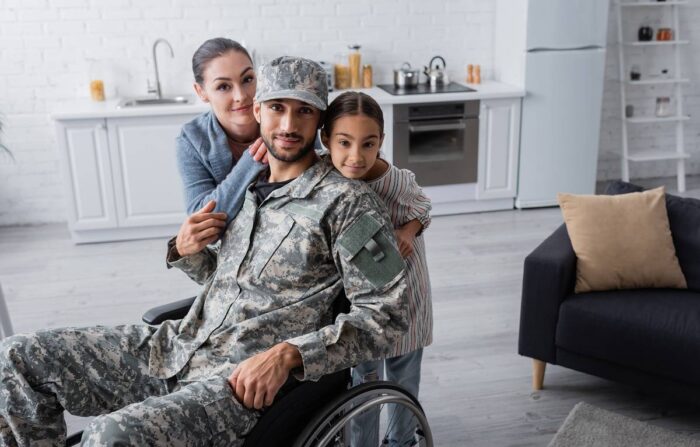
While securing we've access to immediate medical care, it's equally important to consider the support available for our families. They're often the unsung heroes, providing us with the strength and stability we need to navigate our health challenges. The VA recognizes this and offers several programs to assist our loved ones.
First, there's the Caregiver Support Program, which gives family members the resources they need to care for us. This program includes training, financial stipends, and peer support.
Additionally, the VA offers counseling services and respite care to help alleviate the emotional strain on our families.
For children of veterans, the VA provides educational benefits through the Dependents' Educational Assistance (DEA) program. This can cover tuition, books, and supplies, making sure our children have the opportunities they deserve.
Moreover, family members have access to CHAMPVA, a thorough health insurance program that covers many medical services. This ensures our spouses and children can receive the care they need without additional financial strain.
Frequently Asked Questions
How Can Veterans Find Transportation to VA Medical Facilities?
We can find transportation to VA medical facilities by contacting the Veterans Transportation Service, checking local DAV chapters, or exploring community resources. Let's make sure we use every available option to make our healthcare accessible.
Are There Special Services for Women Veterans?
Yes, there are special services for women veterans. We have access to all-encompassing healthcare tailored to our unique needs, including maternity care, mental health support, and specialized clinics. Let's explore these options for better care.
What Types of Health Screenings Are Available for Veterans?
We can access a variety of health screenings, including cancer, mental health, and preventive care. It's important to stay informed and proactive about our health. Let's make sure we're utilizing these resources to stay healthy.
Can Veterans Receive Dental Care Through VA Healthcare?
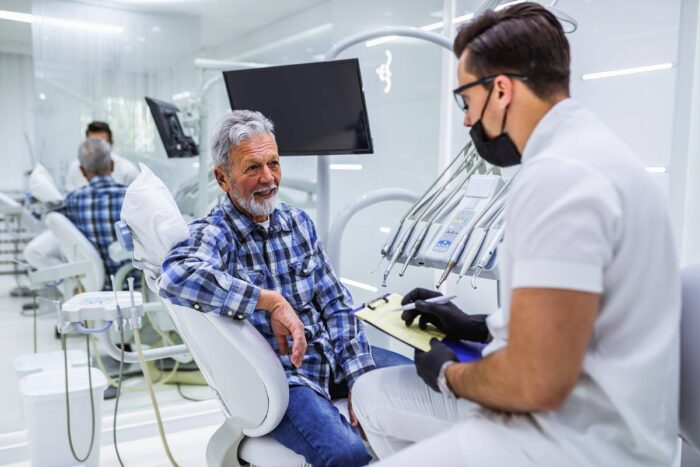
Yes, veterans can receive dental care through VA healthcare, but eligibility varies. We should check specific criteria, such as service-related disabilities or homelessness, to see if we qualify for dental benefits under the VA.
Are There Programs to Help Veterans Quit Smoking?
Yes, there are programs to help veterans quit smoking. We can access counseling, medications, and support groups through the VA. These resources aim to make quitting easier and improve our overall health. Let's utilize them!
Conclusion
We've covered a lot about accessing free healthcare for veterans. By understanding eligibility, enrolling in VA healthcare, and utilizing the extensive benefits like mental health services, community care programs, and telehealth options, we can take full advantage of the support available. Don't forget the essential prescription services and emergency care access, and let's not overlook the support for our families. Together, we can guarantee our veterans receive the care they deserve.