

When we consider going solar, the federal tax credit is often a significant factor in our decision-making process. But what about those of us who opt for leasing our solar panels instead of buying? It turns out that leased solar panels usually don't qualify for the federal solar tax credit because the leasing company retains ownership. This could mean missing out on valuable tax savings. So, how do leasing companies benefit, and what alternatives exist for us? Let's explore further.
Key Takeaways
- Leased solar panels do not qualify for the federal solar tax credit.
- The tax credit is available only to owners of the solar system.
- Leasing companies, not consumers, typically own leased solar panels.
- Ownership through a loanA sum of money borrowed that is expected to be paid back with interest. or outright purchase qualifies for the tax credit.
- Consumers with leased panels may miss out on potential tax benefits.
Understanding the Federal Solar Tax Credit
When it comes to solar energy savings, understanding the Federal Solar Tax Credit is essential. This credit, officially known as the Investment Tax Credit (ITC), lets us deduct a significant percentage of our solar panel costs from federal taxes.
It's designed to encourage the shift to renewable energy by reducing upfront costs. Currently, the credit stands at 30% for systems installed through 2032. We'll find this incentive can greatly impact the overall cost-effectiveness of installing solar panels.
It's important to note that this tax credit applies to the owner of the solar system. If we purchase our solar panels outright, we're eligible.
However, if our panels are leased, the leasing company typically claims the credit, not us. Understanding these details helps us make informed decisions.
Differences Between Purchasing and Leasing Solar Panels

Choosing between purchasing and leasing solar panels can markedly influence our financial benefits and long-term energy savings.
When we purchase solar panels, we own the system outright. This means we're responsible for the upfront costs, but we gain access to incentives and tax credits, potentially lowering the overall cost. Ownership also allows us to increase our property value and potentially earn money by selling excess energy back to the grid.
In contrast, leasing solar panels requires little to no upfront cost. We pay a monthly fee to the leasing company, which maintains ownership.
While this reduces our immediate financial burden, we mightn't be eligible for certain tax benefits or long-term savings. Leasing often involves fixed savings on electricity bills, providing predictable, though limited, financial benefits.
Eligibility Criteria for the Solar Tax Credit
To qualify for the federal solar tax credit, we must meet specific criteria that guarantee the solar energy system is eligible for this incentive.
First, we need to own the solar panels outright or through a loan. Leased systems don't qualify for the credit since we're not the owners; instead, the leasing company might claim it.
Next, the solar system must be installed at a primary or secondary residence within the U.S.
Furthermore, installation must occur during the tax year we wish to claim the credit.
Finally, the system should be new or used for the first time, ensuring originality and efficiency.
How Leasing Companies Benefit From the Tax Credit
Let's explore how leasing companies benefit from the solar tax credit.
By transferring the tax credit to themselves, they can maximize financial incentives, which often leads to more competitive lease agreements for consumers.
These structures not only boost their profitability but also make solar energy more accessible to a wider audience.
Tax Credit Transferability
Although the concept of tax credit transferability might seem complex, it actually offers significant benefits to leasing companies that deal with solar panels.
When we lease solar panels, the leasing company retains ownership, allowing them to claim the federal tax credit. This process involves:
- Ownership: The leasing company owns the panels, making them eligible for the tax credit.
- Transferability: Companies can transfer the tax credit benefits into cost savings, reducing their overall expenses.
- Pass-Through: Some savings might be passed to us, the consumers, in the form of lower lease rates or additional incentives.
Understanding these points helps us see why leasing companies are keen on offering solar panel leases.
Financial Incentives Maximized
When leasing companies take advantage of the federal tax credit, they effectively maximize their financial incentives, allowing them to offer more attractive options to us as consumers.
By claiming the tax credit, these companies lower their overall costs. They can then pass these savings on to us through reduced lease payments or other financial benefits.
The tax credit also enhances their ability to invest in more efficient technologies and expand their services.
Understanding this dynamic helps us see why leasing companies can offer competitive rates. They benefit from government incentives, which in turn makes solar energy more accessible and affordable for us.
This win-win situation fosters a growing solar market, encouraging more of us to explore solar energy as a viable option for our homes.
Lease Agreement Structures
Building on the understanding of how financial incentives from the federal tax credit enable leasing companies to offer competitive rates, it's fascinating to see how these benefits shape lease agreement structures.
By claiming the tax credit, leasing companies effectively reduce their costs and pass savings to us. Here's how they benefit:
- Lower Installation Costs: Leasing companies cover the initial installation expenses, making solar accessible without upfront costs for us.
- Competitive Monthly Payments: Reduced costs allow companies to offer us lower monthly payments, enhancing affordability.
- Increased Market Share: Attractive leasing terms draw more customers, expanding their market presence.
These structures not only benefit leasing companies but also make solar energy more attainable for us, fostering a wider adoption of sustainable energy solutions.
Potential Savings and Costs With Leased Panels
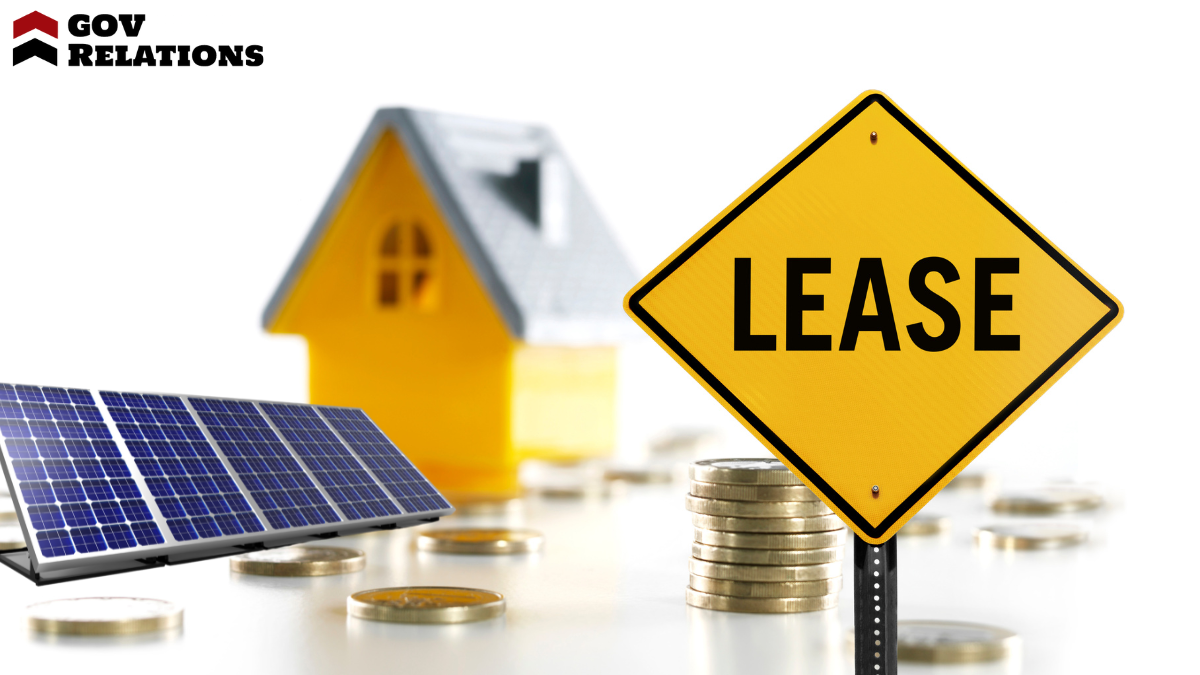
While considering leased solar panels, we must weigh both potential savings and associated costs. Leasing can offer immediate savings on our electricity bills without the upfront cost of buying the panels. This setup lets us enjoy lower energy costs while avoiding maintenance responsibilities since the leasing company typically handles repairs.
However, we should be aware of the long-term costs. Monthly lease payments might increase over time, potentially offsetting some savings. Additionally, a lease agreement might include early termination fees, which could be costly if we decide to move or buy out the lease.
Understanding these aspects helps us make an informed decision about whether a lease aligns with our financial goals and energy needs. Balancing these factors is essential for maximizing benefits.
Alternative Incentives for Leased Solar Systems
As we explore alternative incentives for leased solar systems, we should consider state-specific solar programs that might offer additional financial benefits.
Many utility companiesEnergy and water companies that provide funding for community projects and sustainability initiative... provide rebates to encourage solar adoption, reducing upfront costs for us.
Performance-based incentives can also reward us for the energy our systems produce, making solar leasing an even more attractive option.
State-Specific Solar Programs
Many states offer unique solar programs tailored to those leasing solar systems, providing alternative incentives that make solar energy more accessible.
These programs can vary greatly, so it's crucial to understand what might be available to us.
Some states provide:
- Performance-based incentives: These rewards give us credits based on the energy our solar systems produce, even if we're leasing them.
- Property tax exemptions: In some states, leasing solar panels won't increase our property's assessed value, reducing our tax burden.
- State tax credits: Certain states offer tax credits specifically for solar leasing, which can help offset costs.
Utility Company Rebates
Utility companies often step up to offer rebates to those leasing solar systems, providing an attractive alternative incentive.
We grasp how maneuvering through the world of solar incentives can be a bit overwhelming, but utility company rebates simplify the process. These rebates often reduce the initial costs of going solar, making leasing an even more appealing option.
By partnering with solar installers, utility companies guarantee that we benefit from reduced energy bills and contribute to a cleaner environment.
When we lease a solar system, we mightn't qualify for federal tax credits, but utility rebates can offset some costs.
To take advantage of these rebates, we should check with our local utility provider for specific programs and eligibility requirements. It's a great way to maximize savings on our solar investment.
Performance-Based Incentives
While leasing solar systems might limit us from claiming federal tax credits, performance-based incentives offer a compelling alternative.
These incentives reward us based on the energy our solar panels produce, which can be a win-win for those of us who lease.
Here's why they're worth considering:
- Efficiency Rewards: We earn incentives for every kilowatt-hour (kWh) generated, pushing us to maximize our system's output.
- Long-Term Gains: As our system performs better over time, the financial benefits grow, leading to potentially significant savings.
- Environmental Impact: By focusing on performance, we contribute more to reducing carbon emissions and promoting sustainable energy practices.
Let's leverageThe use of borrowed capital (debt) to increase the potential return of an investment. performance-based incentives to make our leased solar systems both economically and environmentally advantageous!
Making an Informed Decision on Solar Panel Leasing
Before diving into solar panel leasing, it's crucial that we arm ourselves with the right information to make an informed decision.
First, let's evaluate our energy needs and financial situation. Leasing can offer lower upfront costs, but we won't own the panels, which may affect long-term value.
Next, we should understand the terms of the lease agreement. Are there annual price escalations? What's the contract length? These factors can impact our savings.
Additionally, let's consider how leasing might affect the resale value of our home. Potential buyers may prefer owning panels outright.
Finally, let's verify the leasing company is reputable. Reading reviews and comparing options will help us choose a provider with excellent customer service and reliable support.
Conclusion
In summary, while leasing solar panels might seem appealing due to lower upfront costs, we need to evaluate the long-term financial implications. By leasing, we forfeit eligibility for the federal solar tax credit, which can greatly reduce overall costs if we own the system. Leasing companies benefit from these credits instead. Let's weigh these factors carefully and explore alternative incentives, ensuring we make the most informed decision for our home and finances.




