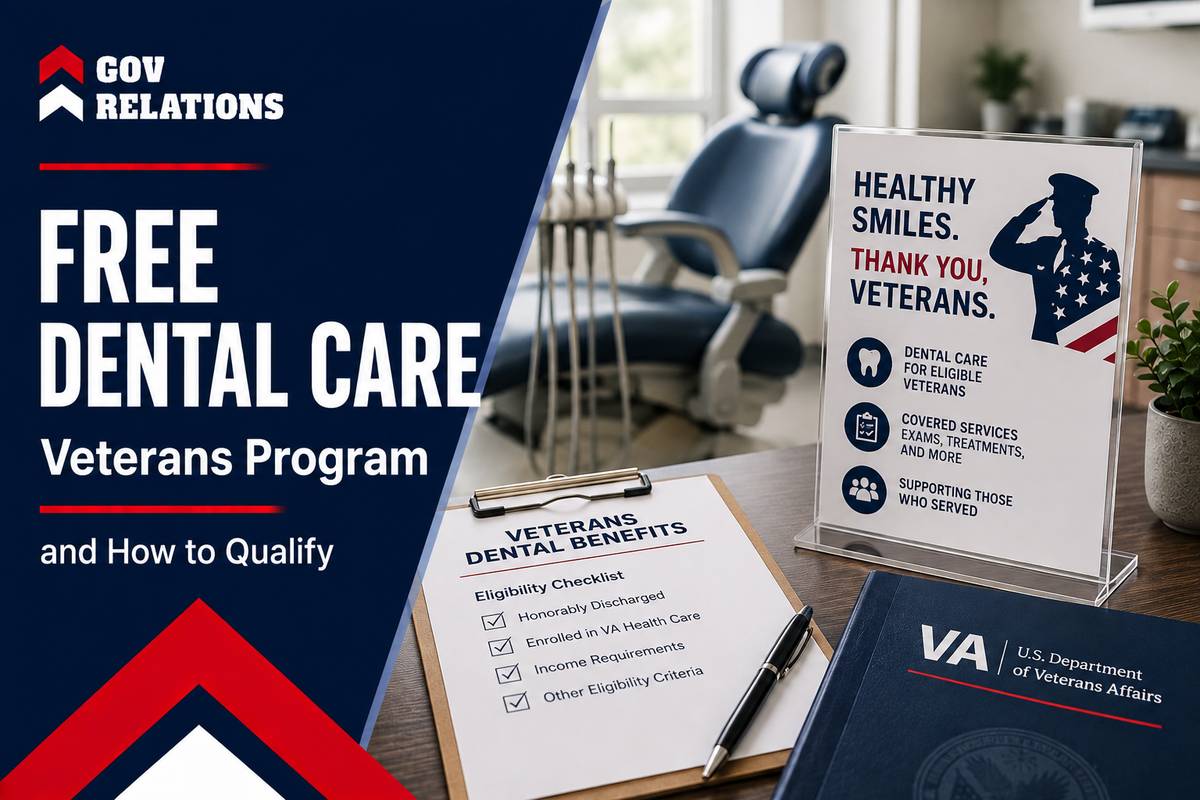
Most veterans enrolled in VA health care do not get free dental coverage. Only about 26% qualify for free VA dental care, which leaves the rest to find their own way to a dentist. Veteran dental insurance through the VA Dental Insurance Program (VADIP) is the main option for the millions who fall outside the free-care classes. According to the CareQuest Institute for Oral Health, 85% of the 9 million veterans enrolled in VA medical care are not eligible for dental coverage.
This guide explains who qualifies for free care, how VADIP works in 2026, what the plans cost, and the exact steps to apply.
Key Takeaways
- Most veterans are not covered: Only about 26% of the 9 million veterans enrolled in VA health care qualify for free VA dental care.
- VADIP is the main fallback: Veteran dental insurance through VADIP offers discounted plans from Delta Dental and MetLife to enrolled veterans who do not qualify for free care.
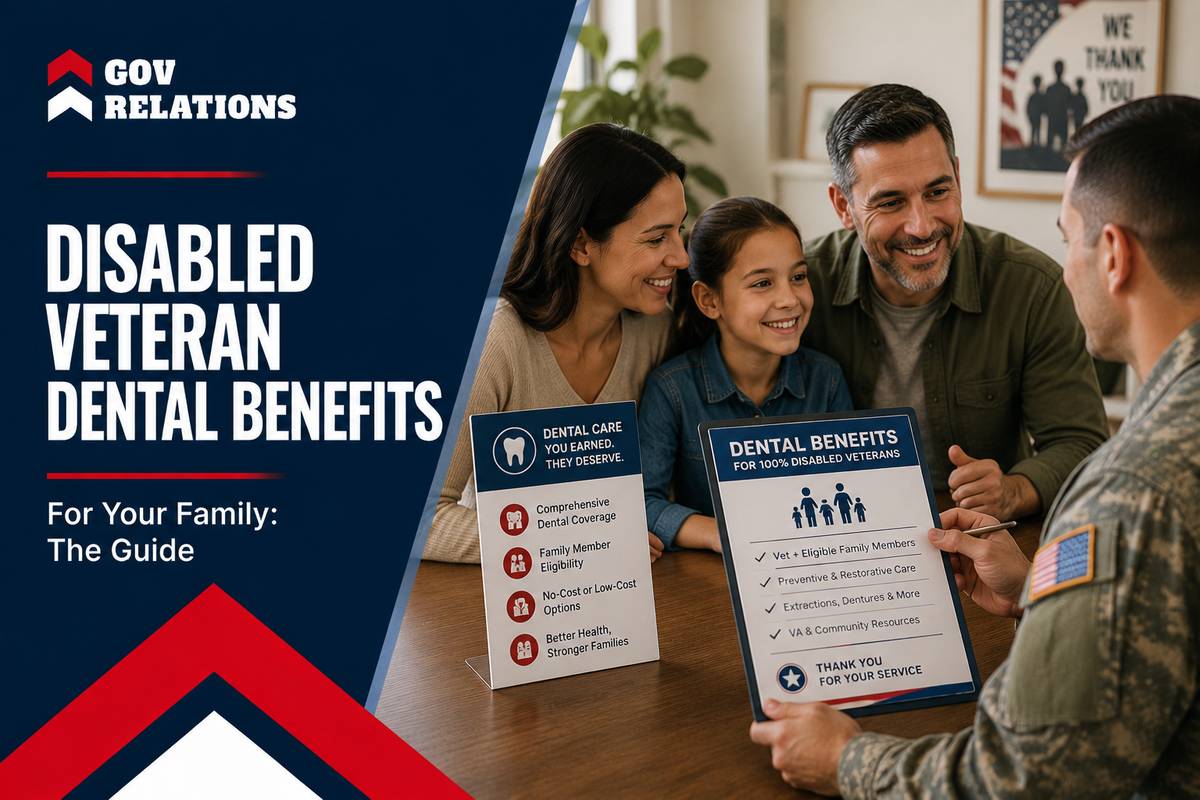
- 2026 eligibility expanded: VADIP now covers veterans plus current spouses, surviving spouses, and dependent children enrolled in CHAMPVA.
- Plans start low: VADIP premiums generally run from about $10 to $60 a month, with in-network savings of up to 40% on covered procedures.
- Free care is class-based: Veterans with a compensable service-connected dental condition, a 100% rating, or former POW status qualify for any needed dental care.
- Change is coming: A February 2026 VA contract aims to widen community dental access, and H.R. 210 could open VA dental care to all enrolled veterans.
Who Qualifies for Free VA Dental Care?
Free VA dental care is limited to specific eligibility classes, not granted to every enrolled veteran. You qualify for any needed dental care if you have a compensable service-connected dental condition (Class I), a 100% permanent and total service-connected rating (Class IV), or former prisoner-of-war (POW) status (Class IIC). Other classes cover one-time or condition-specific care.
The VA sorts dental eligibility into classes tied to your service history, disability rating, and current health status. A service-connected condition is one that the VA has linked to your military service. Some classes provide ongoing care. Others cover a single course of treatment, or only the dental work needed to support a medical condition. In fiscal year 2025, 888,051 veterans received dental care through the VA, a small share of the total enrolled population.
If your dental need ties back to a service-connected disability rating, the rating itself drives your eligibility.
VA Dental Care Eligibility Classes at a Glance
| Class | Who It Covers | Dental Care Provided |
|---|---|---|
| Class I | Veterans with a compensable service-connected dental condition (rated 10% or higher). | Any needed dental care. |
| Class IV | Veterans rated 100% permanent and total, or paid at the 100% rate due to unemployability. | Any needed dental care. |
| Class IIC | Former prisoners of war. | Any needed dental care. |
| Class II | Recently discharged veterans (90+ active-duty days) who apply within 180 days of separation. | One-time course of dental care. |
| Class IIA | Veterans with a noncompensable dental condition from combat wounds or service trauma. | Care to restore and maintain a functioning set of teeth. |
| Class III | Veterans whose dental condition is worsening a service-connected medical condition. | Care to treat the oral problem worsening the health issue. |
| Class V | Veterans active in a Veteran Readiness and Employment program. | Care needed to reach employment-program goals. |
| Class VI | Veterans receiving inpatient care that requires dental treatment. | Care for dental issues complicating the medical condition. |
| Class IIB | Veterans enrolled in a qualifying VA homeless program. | One-time care to relieve pain or treat severe conditions. |
Source: VA dental care eligibility. If you do not see your situation in this table, you likely fall outside free VA dental care and VADIP becomes your main route to coverage.
What Is the VA Dental Insurance Program (VADIP)?
The VA Dental Insurance Program (VADIP) is discounted private dental insurance for veterans who do not qualify for free VA care. It is voluntary, you pay a monthly premium, and enrolling does not reduce or affect any free VA dental benefit you may already have. Two carriers run the program: Delta Dental and MetLife.
To enroll in VADIP, you must meet one of two conditions. You are a veteran enrolled in VA health care, or you are a current or surviving spouse or dependent child enrolled in CHAMPVA (the Civilian Health and Medical Program of the VA). As of 2026, VADIP eligibility expanded to include CHAMPVA dependents, which widened who can buy in. Dependents who do not qualify under CHAMPVA cannot join.
Members pay the full premium plus any copayments or coinsurance for services. Monthly premiums generally range from about $10 to $60 for individual coverage, depending on the carrier, the plan tier, and where you live. Using an in-network dentist saves you up to 40% on covered procedures through the negotiated group rate.
How Do Delta Dental and MetLife VADIP Plans Compare?
Delta Dental offers three PPO plans (Enhanced, Comprehensive, and Prime), and MetLife offers two (Standard and High). A PPO (Preferred Provider Organization) plan lets you use any licensed dentist but pays more when you stay in network. All five plans cover 100% of in-network preventive care such as cleanings, exams, and X-rays. The right plan depends on whether you need only routine care or major work like crowns, dentures, or orthodontia.
| Plan | Carrier | Deductible | Annual Maximum | Best For |
|---|---|---|---|---|
| Enhanced | Delta Dental | $50 | $1,000 | Routine care: 100% preventive, 50% basic restorative. |
| Comprehensive | Delta Dental | $50 | $1,500 | Adds major restorative, endodontics, and periodontics after a 9-month wait. |
| Prime | Delta Dental | $0 | $1,500 | Highest coverage, including prosthodontics (bridges, dentures, implants). |
| Standard | MetLife | $0 in-network | Up to $1,500 | No waiting periods on major work (except orthodontia). |
| High | MetLife | $0 in-network | Up to $3,500 | Adds orthodontia for dependent children up to age 19. |
Compare current plan details on the official VADIP page at VA.gov before you enroll, since premiums and benefits vary by ZIP code.
How to Apply for Veteran Dental Insurance Step by Step
Applying for VADIP takes a few clear steps. First confirm you are enrolled in VA health care or CHAMPVA, then compare the Delta Dental and MetLife plans, and enroll directly through your chosen carrier. Here is the full process from start to coverage.
- Confirm your enrollment. You must be enrolled in VA health care or CHAMPVA. If you are not enrolled, apply for VA health care using VA Form 10-10EZ on VA.gov first.
- Check for free care first. Review the eligibility classes above. If you fall into Class I, IIC, or IV, you may receive free VA dental care and may not need to buy insurance at all.
- Compare the two carriers. Weigh Delta Dental's three plans against MetLife's two, looking at premium, deductible, annual maximum, waiting periods, and whether your dentist is in network.
- Pick your plan tier. Choose routine-only coverage if you need cleanings and exams, or a higher tier if you expect major work like crowns, dentures, or orthodontia.
- Enroll through the carrier. Apply directly on the Delta Dental or MetLife VADIP portal. Enrollment is voluntary and does not affect any free VA dental benefits you have.
- Book your first visit. Use an in-network dentist to get the negotiated rate and the full preventive coverage your plan offers.
Key Veteran Dental Insurance Terms, Defined
These are the terms you will see most often while comparing veteran dental coverage. Each one affects what you pay and what care you can get.
- VADIP: The VA Dental Insurance Program. Discounted private dental insurance for enrolled veterans and CHAMPVA beneficiariesIndividuals or groups who directly benefit from the project's activities and outcomes..
- CHAMPVA: The Civilian Health and Medical Program of the VA, which covers eligible spouses and dependents of certain veterans.
- Service-connected: A condition the VA has officially linked to your military service. It drives most free dental eligibility.
- Compensable: A service-connected condition rated high enough (10% or more) to receive monthly compensation.
- Deductible: The amount you pay out of pocket before the plan starts paying for covered services.
- Annual maximum: The most the plan will pay for your care in one year. You pay anything above it.
- In-network: A dentist who has agreed to the plan's negotiated rates, so you pay less than at an out-of-network office.
- Waiting period: A set time after enrollment before a plan covers certain procedures, often major restorative work.
Why Dental Coverage Matters for Veterans
Veterans face worse oral health than the general public, and the cost of going without care is high. Research from the CareQuest Institute and the American Institute of Dental Public Health found that veterans are 60% more likely to experience tooth decay than nonveterans, and 42% report gum disease. Veterans also pay 65% more in out-of-pocket dental costs on average.
The effects reach beyond the mouth. Nearly 600,000 veterans reported lost work productivity in the past year because of oral health problems, and nearly 3 million said they felt self-conscious or embarrassed about their teeth, mouth, or dentures. Myechia Minter-Jordan, MD, MBA, president and CEO of CareQuest Institute, has pressed for policy change so veterans can access comprehensive care, including dental services.
Recent Changes to Veteran Dental Care in 2026
Two things are moving at once in 2026: how care is delivered, and who can get it. In February 2026, the VA posted a Request for Proposals for a new dental care administrator to build and manage a national network of community dental providers, with proposals due by March 16, 2026.
“Dental health is a critical component of overall well-being,” said VA Secretary Doug Collins, framing the new contract as a way to improve care for the roughly 2.3 million veterans who already qualify. The contract changes how care reaches eligible veterans. It does not change the eligibility rules.
Expanding who qualifies takes an act of Congress. The Dental Care for Veterans Act (H.R. 210) would make all veterans enrolled in VA health care eligible for VA dental services through a four-year phase-in, removing the class-based system. The bill has support from veterans groups like the Disabled American Veterans but has not yet been enacted as of 2026.
Some states are acting on their own. Connecticut's HB 6765, effective January 1, 2026, created a voucher program for eligible veterans to receive dental services at federally qualified health centers and the UConn School of Dental Medicine. Check your state's Department of Veterans Affairs for similar programs.
How to Spot Veteran Dental Insurance Scams
Veterans searching for dental help are a frequent target for fraud. Before you hand over money or personal details, here is how to tell a real program from a scam.
- VADIP enrolls only through Delta Dental and MetLife. Any other website claiming to be the official VA dental plan, especially one charging a separate enrollment fee, is not VADIP.
- The VA will not cold-call you with benefits. Any unsolicited phone call, text, or email offering veteran dental benefits you never applied for is a red flag.
- No real VA program asks for a credit card to activate free benefits. If an offer requires payment to unlock free care, it is fraudulent.
- Official VA information ends in .gov. Verify any program at VA.gov. A site that looks official but uses a different domain is not the government.
If you receive a suspicious offer, do not click links or reply. Report it to the Federal Trade Commission at ReportFraud.ftc.gov.
What If You Don't Qualify for Free Care or VADIP?
If you fall outside the free-care classes and a VADIP premium is still out of reach, several lower-cost and free options can help.
- Dental schools: Supervised students provide care at reduced rates. Search for your state's dental school clinic.
- Federally Qualified Health Centers (FQHCs): These centers offer dental care on a sliding fee scale based on income and cannot turn you away for inability to pay.
- Everyone for Veterans and Veterans Smile Day: Nonprofit programs that provide free dental care to qualifying low-income veterans and their families.
- Veterans Service Organizations (VSOs): Some VSOs offer grants or financial help for dental care. Ask your local chapter.
- State voucher programs: A growing number of states fund dental vouchers for veterans. Check your state Department of Veterans Affairs.
Your Next Step Toward Dental Coverage
Veteran dental insurance comes down to one question: do you qualify for free VA care, or do you need VADIP? Check your eligibility class first. If you land in Class I, IIC, or IV, you may get any needed care at no cost. If not, VADIP gives you discounted coverage through Delta Dental or MetLife, and as of 2026, that option now reaches CHAMPVA family members too.
Your next step is to confirm your VA health care or CHAMPVA enrollment, then compare plans on the official VADIP page at VA.gov.
Family members should also understand that CHAMPVA medical eligibility does not automatically provide routine dental benefits. Read our guide to CHAMPVA dental coverage to see which services are excluded, when limited exceptions may apply, and how VADIP can help fill the coverage gap.
Frequently Asked Questions
Does VA health care include dental coverage?
No, not automatically. Enrolling in VA health care does not include routine dental coverage for most veterans. Free VA dental care is limited to specific classes tied to service-connected conditions, a 100% disability rating, former POW status, and a few other circumstances. Everyone else can buy discounted coverage through VADIP.
Who qualifies for free VA dental care?
Veterans with a compensable service-connected dental condition (Class I), a 100% permanent and total service-connected rating (Class IV), or former prisoner-of-war status (Class IIC) qualify for any needed dental care. Other classes cover one-time or condition-specific treatment. Only about 26% of enrolled veterans meet a qualifying class.
How much does veteran dental insurance cost?
VADIP premiums generally range from about $10 to $60 a month for individual coverage, depending on the carrier, plan tier, and your location. You also pay any deductible and coinsurance. Using an in-network dentist lowers your costs by up to 40% on covered procedures through the negotiated rate.
Can family members get veteran dental insurance?
Yes, in many cases. As of 2026, VADIP covers veterans enrolled in VA health care plus current spouses, surviving spouses, and dependent children enrolled in CHAMPVA. Family members who do not qualify under CHAMPVA cannot enroll in VADIP, though they may find private dental plans elsewhere.
Will buying VADIP affect my free VA dental benefits?
No. VADIP enrollment is voluntary and separate from free VA dental care. If you qualify for free care under an eligibility class, you keep it, and you can still buy VADIP for additional coverage if you want it. One does not cancel out the other.