

We’re here to help you navigate the array of resources available for veterans pursuing non-college degree programs. The GI Bill, vocational rehabilitation, and state-sponsored scholarships offer financial support for vocational training and certifications. Federal aid accessed through FAFSA, alongside private organization scholarships, further opens avenues. Through these, veterans can align their education with career goals, benefiting from change programs and personalized advice. For those enthusiastic to explore further opportunities, there’s much more to uncover.
Key Takeaways
- The GI Bill covers tuition, fees, and supplies for vocational and technical programs.
- Veterans with service-connected disabilities may access Vocational Rehabilitation and Employment Services.
- State-sponsored grants offer tuition waivers and scholarships for high-demand vocational fields.
- Federal financial aid is available for non-degree programs through FAFSA.
- Private organizations provide scholarships, workshops, and networking for veterans pursuing vocational paths.
Understanding the GI Bill for Non-College Degree Programs

While many of us might associate the GI Bill with traditional college education, it's important to understand that it also covers a wide range of non-college degree programs. This flexibility allows us to pursue vocational training, technical courses, and certification programs.
By tapping into these resources, we can gain specialized skills that align with our career goals. The GI Bill can cover tuition, fees, and sometimes the cost of tools or supplies necessary for the program.
We should also know that this benefit extends to flight training, apprenticeships, and on-the-job training.
With these options, we can explore fields like aviation, plumbing, or even cybersecurity. Let’s make sure we’re fully aware of our benefits under the GI Bill to best align our education with our professional aspirations.
Exploring Vocational Rehabilitation and Employment Services
Let's explore how Vocational Rehabilitation and Employment Services can support veterans in pursuing non-college degrees.
We'll look at the eligibility and application process to understand who can benefit and how to get started.
Additionally, we'll outline the training programs available to equip veterans with the skills they need for their chosen careers.
Eligibility and Application Process
Understanding who qualifies and how to apply for vocational rehabilitation and employment services is vital for veterans considering non-college degree paths.
We need to know that eligibility often hinges on having a service-connected disability that affects our ability to work. If we meet this criterion, we should reach out to the nearest VA regional office or visit their website to start the application process.
The process begins with completing an application (VA Form 28-1900) and scheduling a meeting with a Vocational Rehabilitation Counselor. They’ll evaluate our skills, interests, and needs to develop a personalized plan.
It’s important to gather all necessary documentation, including medical records and discharge papers, to guarantee a smooth application process.
Let’s take these steps to secure our future.
Available Training Programs
When it comes to available training programs, vocational rehabilitation and employment services offer us a variety of options tailored to our unique skills and career goals.
We can access apprenticeships, on-the-job training, and non-college degree programs that prepare us for high-demand industries. These programs are designed to build on our existing strengths while opening doors to new career opportunities.
Let’s explore these services together, ensuring we make the most of the support available. We can choose programs that align with our aspirations, whether it's in the trades, technology, or other specialized fields.
The aim is to empower us to shift smoothly into civilian life with the skills and confidence needed for success. By understanding these offerings, we can take meaningful steps toward our future.
State-Sponsored Grants and Scholarships for Veterans
Many states recognize the sacrifices veterans have made and offer a variety of grants and scholarships to support their pursuit of non-college degrees.
These state-sponsored programs can considerably ease the financial burden and help us focus on our vocational goals. It’s essential to explore what each state offers, as eligibility and benefits can vary.
Here are some typical options we might find:
- Tuition waivers: Some states waive tuition fees for veterans attending certain vocational programs.
- Vocational scholarships: Targeted funding for specific trades or technical skills.
- Workforce grants: Support for training in high-demand fields.
- Apprenticeship subsidies: Financial assistance for participating in apprenticeship programs.
- Skill development funds: Help in gaining new competencies or certifications.
Leveraging Federal Financial Aid for Non-Degree Programs
While state-sponsored programs offer critical support, we shouldn’t overlook the substantial federal financial aid available for non-degree programs.
We can tap into options like the Post-9/11 GI Bill and the Montgomery GI Bill, both of which cover certain non-degree programs, including certifications and vocational training. These resources help us gain the skills we need without the commitment of a full college degree.
The Veterans Affairs (VA) website is an invaluable resource for understanding eligibility and benefits.
Additionally, we can apply for federal student aid through the Free Application for Federal Student Aid (FAFSA), which might offer grants or low-interest loans.
Staying informed about these options guarantees that we make the most of our benefits and effectively advance our careers with new skills.
Private Organizations Offering Support and Resources
Let's explore how private organizations are stepping up to support veterans pursuing non-college degrees.
These organizations offer scholarshipFinancial aid awarded to a student, typically based on academic or other achievements, to support th... opportunities, skill development workshops, and networking and mentorship programs.
Together, we can access valuable resources that help veterans build successful careers outside traditional college paths.
Scholarship Opportunities Available
For veterans exploring pathways outside of traditional college degrees, several private organizations offer scholarships and resources tailored specifically to their unique needs.
These opportunities provide financial support and guidance to guarantee success in non-college degree programs.
Let’s highlight some of what’s available:
- VFW’s “Sport Clips Help A Hero Scholarship”: Offers assistance for various educational pursuits, including vocational training.
- AMVETS National Scholarship Program: Provides funding for veterans pursuing technical and vocational training.
- Imagine America Foundation: Focuses on trade schools and helps veterans with financial aid.
- Marine Corps Scholarship Foundation: Supports educational endeavors, including those outside of conventional college settings.
- American Legion Auxiliary Non-Traditional Student Scholarship: Aids veterans in pursuing career and technical education.
Skill Development Workshops
Beyond scholarships, private organizations also offer skill development workshops that empower veterans with practical abilities for non-college career paths.
These workshops focus on real-world skills that align with the demands of today's job market.
We're talking about hands-on training in areas like technical skills, business management, and even creative fields.
Networking and Mentorship Programs
While pursuing non-college degrees, veterans can greatly benefit from networking and mentorship programs offered by private organizations.
These programs provide critical support and resources that can help us shift smoothly into our chosen fields. By connecting with experienced professionals, we gain insights and support that are invaluable.
Here’s how these programs assist us:
- Access to Industry Leaders: We can connect with experts who provide guidance and career advice.
- Skill Enhancement: Mentors help us identify and develop essential skills.
- Job Opportunities: Networking opens doors to potential job offers and collaborations.
- Personal Growth: Mentorship offers emotional support and boosts confidence.
- Community Building: We become part of a supportive network of like-minded individuals.
Career Counseling Services for Transitioning Veterans
Shifting from military to civilian life can be challenging, but career counseling services for veterans provide essential support. Together, we can navigate this change with guidance tailored to our unique experiences and strengths.
These services help us identify our skills, set career goals, and explore non-college degree paths that align with our interests. They offer personalized advice on resume building, job search strategies, and interview preparation, ensuring we're ready to step confidently into our new roles.
Counselors understand the nuances of military experience and translate them into valuable civilian job skills. By focusing on our individual needs, they empower us to make informed decisions about our future.
Let’s embrace these resources to enhance our career prospects and find fulfilling opportunities beyond traditional college routes.
Specialized Training Programs Tailored to Military Skills
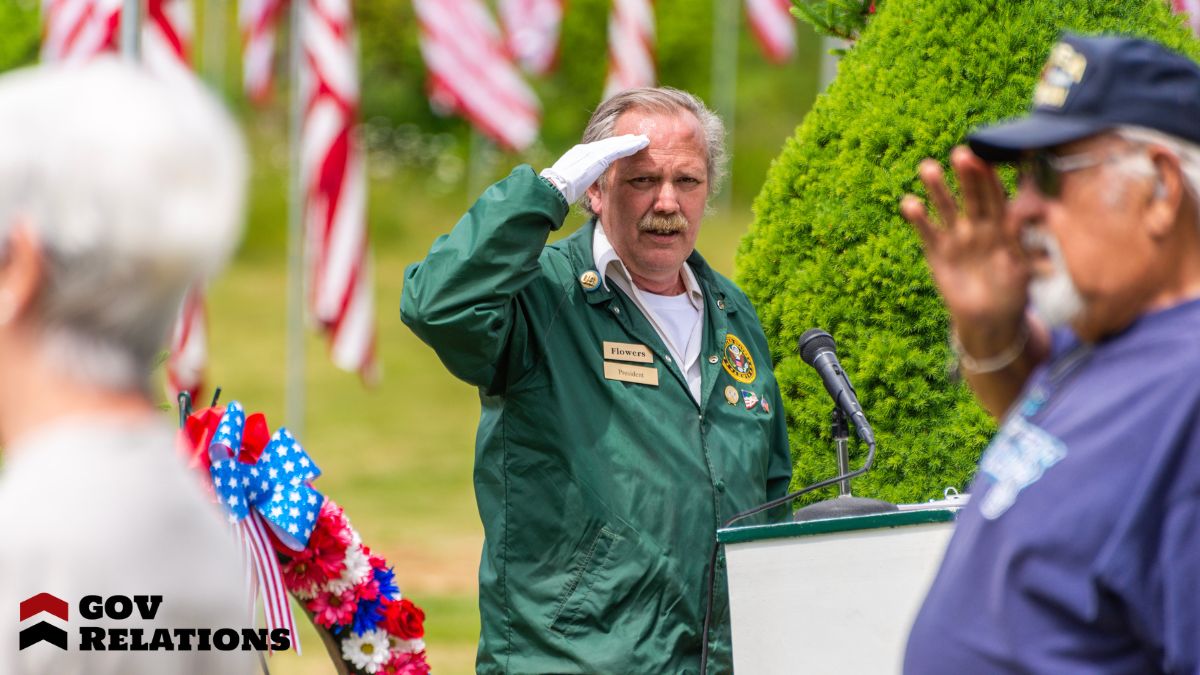
Recognizing the importance of translating military expertise into civilian success, we now focus on specialized training programs tailored to our unique skills.
These programs are designed to bridge the gap between our military experience and the civilian workforce, ensuring that our skills are recognized and valued. By enrolling in these programs, we can enhance our career prospects and find fulfilling employment.
Here are some key aspects of these programs:
- Skill Translation: Courses that align military skills with industry standards.
- Certification Opportunities: Gain certifications that employers value.
- Hands-on Training: Practical experience that's directly applicable.
- Flexible Scheduling: Options that accommodate our busy lives.
- Networking Opportunities: Connect with industry professionals and fellow veterans.
These programs empower us to leverageThe use of borrowed capital (debt) to increase the potential return of an investment. our military background effectively, opening doors to new career paths.
Conclusion
In exploring the wealth of resources available, we see that veterans have numerous options beyond traditional college degrees. The GI Bill, vocational rehabilitation, and state-sponsored grants provide valuable support. Federal financial aid and private organizations offer additional assistance, while career counseling helps ease the changeover. Let's not forget specialized training programs that build on military skills. Together, these resources empower veterans to pursue rewarding careers and make successful adjustments to civilian life.




